



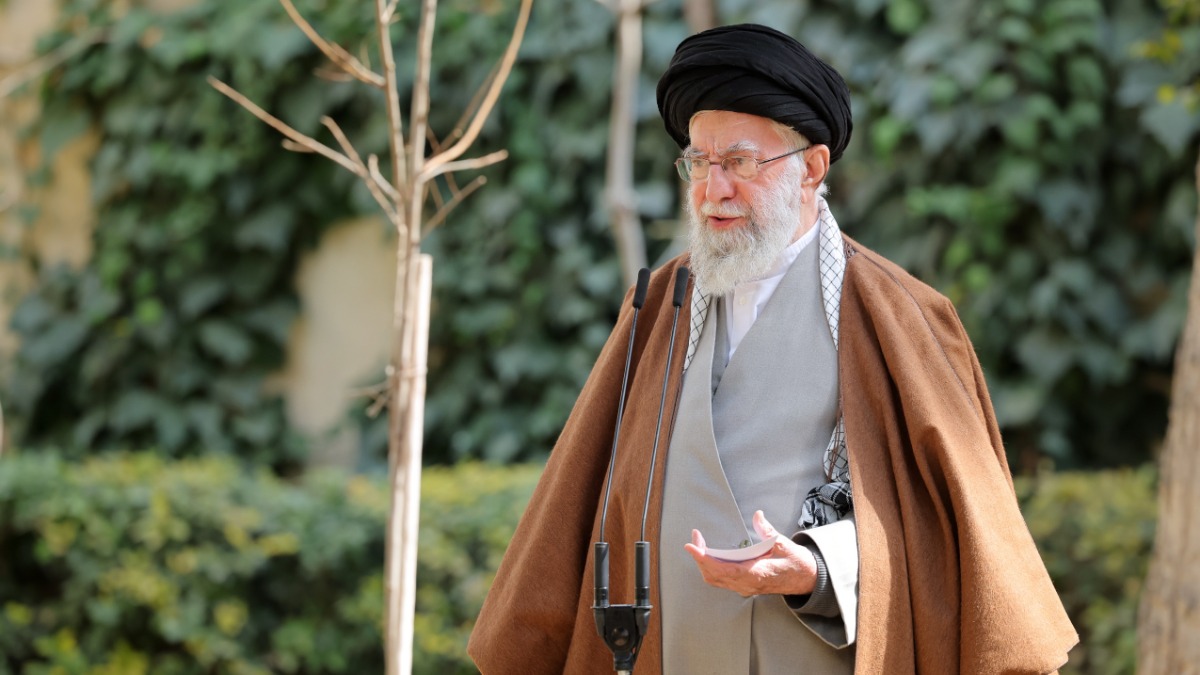

The first wave of Israeli missiles that hit a government compound in central Tehran last Saturday was a major military success for the United States and Israel. The strikes killed Iran’s Supreme Leader, Ayatollah Ali Khamenei, along with many senior military and intelligence officials, wiping out Iran’s top command almost instantly.
However, the same strike also killed a group of Iranian officials the White House had identified as being more open to negotiations. According to The New York Times, this may have destroyed any chance of ending the conflict quickly, turning what looked like a clean victory into a much more complicated situation.
President Trump’s stated goals for the war have shifted repeatedly. He first called for a mass uprising in Iran, then said he did not care about Iran’s future. He reversed course, saying he would personally choose Iran’s next leader and commit the United States to Iran’s long-term future. He also warned on social media that previously untargeted “areas and groups of people” might now be fair game.
The military campaign has been effective, but the path to ending this war remains deeply unclear
American and Israeli forces have struck roughly 4,000 targets across Iran, damaged its air defenses, sunk much of its navy, and are steadily weakening its ability to resist. The first week of the war cost approximately $6 billion, with around $4 billion spent on munitions alone. Pentagon officials have also warned that the war is only just beginning, despite Iran’s missile attacks dropping by 90 percent.
Iran, however, was prepared. Iranian officials developed a pre-planned strategy called “Operation Madman,” with standing orders that if Iran was attacked, they were to set the Middle East on fire and make the war as costly as possible for the U.S., Israel, Arab countries, global energy, and shipping.
Iran executed all three phases of its plan within days, including strikes on Israel, attacks on American military bases in Arab countries, and targeting civilian sites like airports and embassies. Oil prices have soared, the Strait of Hormuz has been choked off, and Qatar halted liquefied natural gas production indefinitely.
Hezbollah has also entered the conflict, firing into Israel and drawing retaliation. Experts say Iran’s involvement with the Lebanese militia is far deeper than previously known. This is expected to have serious consequences for Hezbollah inside Lebanon, where its Shia support base is increasingly tired of war and fears permanent displacement.
There have also been grave mistakes. A strike on an elementary school in the southern Iranian town of Minab on February 28 killed at least 175 people, including many schoolchildren. No side has claimed responsibility, but analysis points to an American airstrike. Total deaths in Iran are estimated at around 1,000.
Defense Secretary Pete Hegseth has also faced tough questions about the conflict’s direction, including how he is handling pressure over the war’s endgame. Iran still retains roughly 50 percent of its missile program and a large drone arsenal, one of which killed six U.S. Army reservists in Kuwait.
Despite the military success, Iran’s basic power structure remains largely intact, with key leaders either still alive or quickly replaced. With Trump now demanding “unconditional surrender,” American officials are bracing for a conflict that could last weeks, with no clear answer on who could credibly lead a post-war Iran.







Published: Mar 8, 2026 03:15 pm