



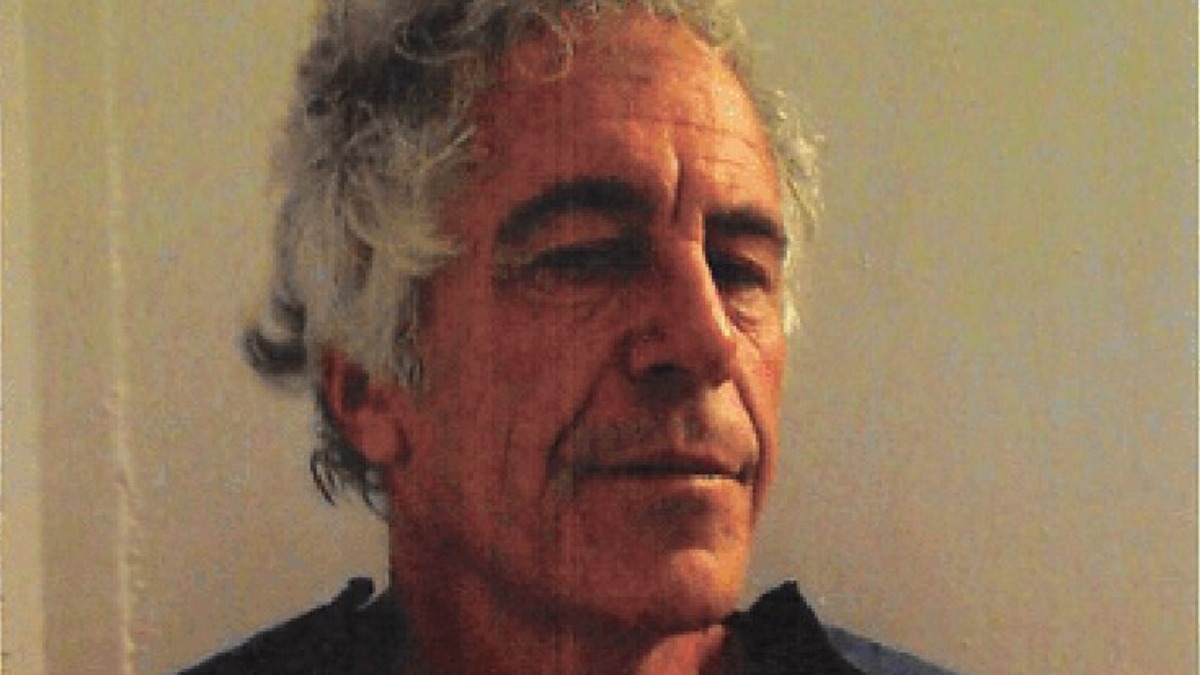

A purported suicide note written by Jeffrey Epstein has been sealed from public view since his death in August 2019, and the only person who claims to have read it is the convicted murderer who shared his cell. Nicholas Tartaglione, Epstein’s former cellmate at the Metropolitan Correctional Center in Manhattan, says he found the note tucked inside a graphic novel during Epstein’s brief absence from their shared cell. The story came to wider attention as first highlighted by UNILAD, which cited a detailed chronology buried within a large collection of documents tied to the ongoing investigation into Epstein’s death.
The note was subsequently surrendered to a federal court in White Plains, New York, by Tartaglione’s legal team and sealed under attorney-client privilege. Because of that legal status, it was not released as part of the broader trove of records, photos, and emails that have been made public.
A court spokesperson declined to confirm whether the note even exists. A Department of Justice spokesperson noted that it is difficult to comment on something the department has not seen, adding that nearly 3 million pages of records have already been produced through an exhaustive collection effort.
The four words Tartaglione remembered say everything about Epstein’s state of mind
Tartaglione, a former police officer currently serving four consecutive life sentences for murder and kidnapping, described the discovery in detail. In July 2019, Epstein was found on the floor of his cell with neck injuries and initially claimed Tartaglione had attacked him, before retracting that statement a week later.
Epstein told authorities he had never had any issues with his cellmate and felt safe being housed with him. With the incident reclassified as a suicide attempt, Epstein was moved to a different part of the prison, and it was during that absence that Tartaglione says he found the note.
According to Tartaglione, the note was written on a piece of yellow paper torn from a legal pad. “I opened the book to read and there it was,” he said. The contents, as he recalled them, suggested Epstein believed investigators had looked into him for many months and found nothing. The closing line, as Tartaglione remembered it: “What do you want me to do, bust out crying? Time to say goodbye.”
The authenticity of the note was initially disputed, but Tartaglione’s own attorneys eventually confirmed its veracity, though the methods used to verify it were not detailed in the chronology. A federal judge overseeing Tartaglione’s murder case ordered the attorneys to surrender the document to the White Plains court, where it has remained sealed. Petitions to have it unsealed have so far been unsuccessful, and a Georgia man who received two consecutive life sentences for a different set of crimes illustrates how such sentences, and the documents tied to those cases, can take years to fully surface through legal proceedings.
The timing of Tartaglione’s discovery matters because it places the note in the weeks before Epstein’s death, a period of particular scrutiny given the chaos inside the facility. Epstein had been awaiting trial on federal sex trafficking charges when he was found dead on August 10, 2019, in what was officially ruled a suicide.
Tartaglione’s attorneys reportedly held onto the note as a potential piece of evidence, particularly useful if Epstein had persisted in his claim that Tartaglione had tried to kill him. A Wisconsin woman who is now facing a life sentence for an unrelated killing is among those whose legal proceedings have drawn comparisons to cases where key evidence remained withheld for extended periods.
The note remains locked in a federal court in White Plains, with no confirmed date for any potential unsealing.







Published: May 1, 2026 11:00 am