



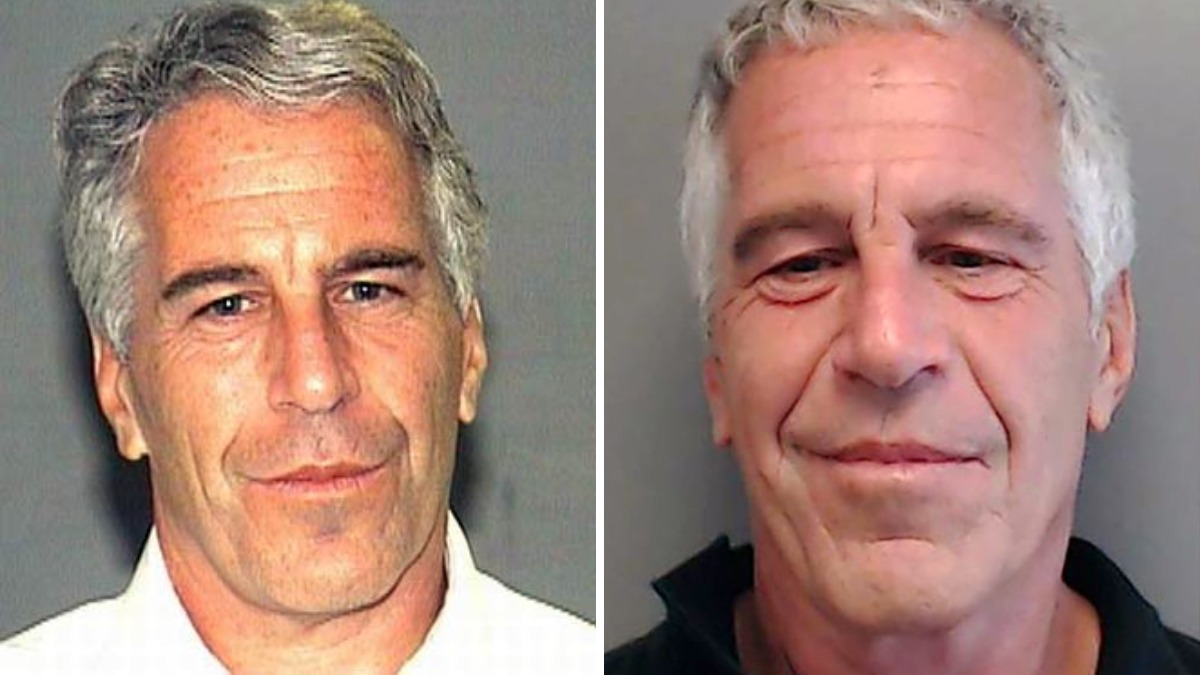

A foreign hacker stumbled upon files linked to the FBI’s investigation into the late sex offender Jeffrey Epstein during a server break-in at the bureau’s New York field office back in 2023, as reported by The Guardian. This wild detail, along with the alleged involvement of a foreign hacker, is coming to light now through Justice Department documents and a source familiar with the matter.
The hacker, who apparently didn’t even realize they’d breached a law enforcement server, actually expressed disgust at the child abuse images found on the device. They even left a message threatening to turn the server’s owner over to the FBI! Bureau officials, in a truly bizarre turn of events, managed to defuse the situation by convincing the hacker that they were, in fact, the FBI. They did this by getting the hacker to join a video chat where agents literally flashed their law enforcement credentials in front of a webcam.
Special Agent Aaron Spivack was apparently trying to navigate the bureau’s notoriously complex procedures for handling digital evidence. He discovered the intrusion the very next day when he turned on his computer and found a text file warning him his network had been compromised. Further investigation revealed traces of unusual activity on the server, including “combing through certain files pertaining to the Epstein investigation.”
The breach itself happened on February 12, 2023, when a server at the FBI’s child exploitation forensic lab in New York was inadvertently left vulnerable
It’s still unclear which specific files were accessed, whether any data was actually downloaded, or who this mystery hacker was. We also don’t know if the affected data overlaps with the Epstein documents that have already been made public or those still kept under wraps. Spivack, whose name pops up elsewhere in the Epstein investigation documents, hasn’t returned messages seeking comment, and neither have other FBI agents involved.
The FBI quickly put out a statement, calling it an “isolated cyber incident.” They said they “restricted access to the malicious actor and rectified the network,” though the investigation is still ongoing, so they don’t have further comments to provide at this time. Spivack, for his part, told FBI investigators he felt he was being made “a scapegoat for the intrusion.” He pointed the finger at conflicting bureau policies and faulty guidance around information technology.
This whole incident really highlights the immense intelligence value of the Epstein files. Jon Lindsay, who researches emerging technology in global security at the Georgia Institute of Technology, put it bluntly: “Who wouldn’t be going after the Epstein files if you’re the Russians or somebody interested in kompromat?” He even added that if foreign intelligence agencies aren’t seriously targeting these files, he’d be “shocked.”
Epstein, a longtime associate of President Trump, pleaded guilty in 2008 to prostitution charges, including soliciting an underage girl. He was later found hanged in his jail cell in 2019, which was ruled a suicide, after being arrested again on federal charges of sex trafficking minors. The legally mandated publication of U.S. Justice Department documents has already exposed Epstein’s ties to prominent figures across politics, finance, academia, and business, sparking investigations in several countries.








Published: Mar 12, 2026 03:00 pm