



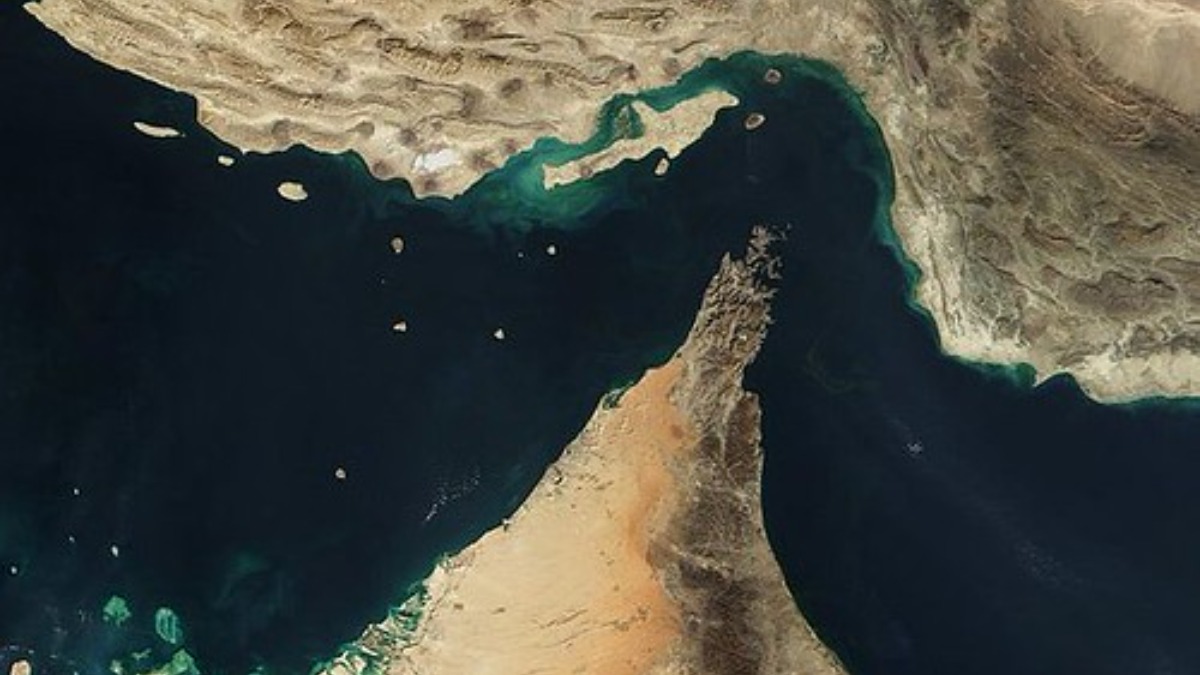

As reported by AP News, European leaders have issued a joint statement calling for the immediate reopening of the Strait of Hormuz and a halt to strikes on energy and water infrastructure. The appeal came as leaders of the 27 European Union nations met in Brussels to address surging energy prices tied to the ongoing conflict.
The statement emphasized the need for “de-escalation and maximum restraint” from all parties, along with stabilizing energy shipments. Leaders also raised concerns about civilian casualties and the broader economic fallout, while urging Iran to stop strikes across the Persian Gulf and calling for international coordination to avoid a large-scale refugee crisis.
The issue has gained urgency as energy prices continue to climb. European leaders have faced increasing pressure to respond, particularly as the Strait of Hormuz remains critical to global supplies of oil, gas, and fertilizer.
Europe is urging restraint but avoiding direct involvement
Belgian Prime Minister Bart De Wever warned that Europe is already dealing with high energy costs that have worsened due to the conflict. He said that if rising prices become a long-term issue, the economic consequences could be severe, with Saudi pressure on Iran also adding to the broader uncertainty.
Despite those concerns, European leaders have shown little willingness to engage militarily. EU foreign policy chief Kaja Kallas said there is “no appetite” to expand naval operations or directly secure the Strait of Hormuz, and several countries have made clear they do not intend to join the conflict.
Austria’s Chancellor Christian Stocker said the country would not be pressured into participating in military action, while Germany’s Chancellor Friedrich Merz indicated any involvement would only come after the conflict ends and under an international mandate. Britain and France have also signaled hesitation, with France stating that any consideration of involvement would require a de-escalation first.
At the same time, France, Germany, Italy, and the Netherlands joined partners including the United Kingdom and Japan in supporting preparatory planning to ensure safe navigation through the strait. The group also called on Iran to immediately halt drone and missile attacks, amid Senate Iran powers debate.
Leaders also discussed alternative funding options for Ukraine after failing to reach agreement with Hungary on a major loan package. The discussions underscored the broader strain on European policymakers, who are managing multiple crises simultaneously.
The European Commission has proposed financial tools to help member states address rising energy costs, though officials acknowledge no single approach will work across all economies. Some countries are pushing to slow climate policy rollouts to ease short-term pressure, while others favor accelerating investment in domestic energy sources to reduce reliance on volatile global markets.






Published: Mar 20, 2026 06:00 am