



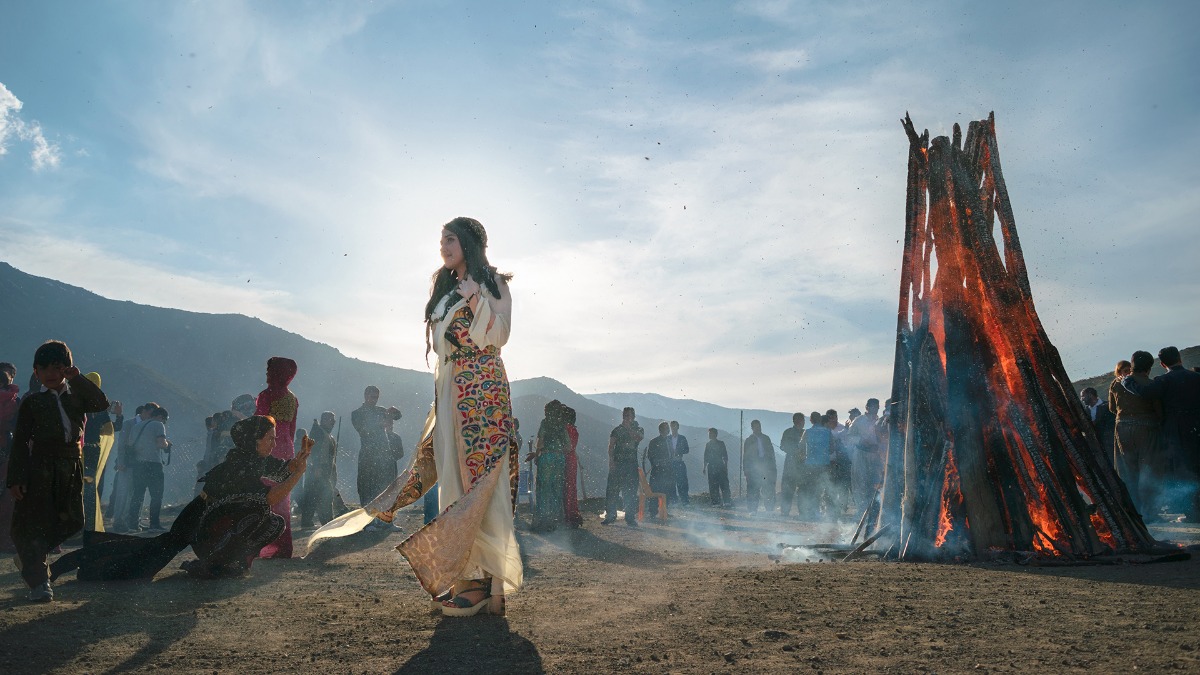

As detailed by BBC News, Iranians are preparing for Nowruz, the Persian New Year, under the shadow of war for the first time in decades. The festival, which marks the spring equinox and renewal, is typically a time of celebration, but this year many families are grappling with fear and uncertainty.
For some, the disruption has been deeply personal. A woman living northeast of Tehran described how she would normally be preparing her home and shopping for the holiday, but now feels disoriented and overwhelmed. Others expressed concern about the country’s future, citing damage to infrastructure and growing economic instability.
Nowruz, meaning “new day,” dates back more than 3,000 years and remains one of the most significant cultural traditions in Iran. It falls on March 20 this year, with customs centered on renewal, including cleaning homes and preparing symbolic displays like the Haft Sin table.
Celebration continues for some despite the conflict
The ongoing conflict has dramatically altered daily life. Iran has faced sustained strikes since late February, with human rights groups reporting thousands of deaths, including many civilians, as tensions escalate across the region and lawmakers debate Iran war powers.
Markets and shopping areas that are usually crowded ahead of Nowruz have become noticeably quieter. Some residents say the constant threat of air strikes has made routine activities feel dangerous, even as a few continue preparations.
Despite the risks, some Iranians are maintaining traditions. Residents described seeing flower vendors and people preparing Haft Sin displays, even if the atmosphere feels subdued compared to previous years.
Others, however, are turning away from the celebration entirely. Some citizens questioned whether Nowruz holds meaning under current conditions, pointing to ongoing hardships and political frustration, with visa bond expansion also keeping migration policy in wider focus.
The emotional toll is evident across the country. While some families are attempting to observe traditions, others have limited gatherings or left major cities for safer areas, with many uncertain when normal celebrations might return.






Published: Mar 20, 2026 07:00 am