




Oil futures have spiked past the $100 per barrel mark following the announcement that the United States military is initiating a full blockade of the Strait of Hormuz, The Hill reported. This development comes as a direct result of failed diplomatic efforts to resolve the ongoing conflict between the United States and Iran, leaving global energy markets in a state of high uncertainty.
As of late Sunday night, West Texas Intermediate crude was trading just above $104 per barrel, while Brent crude oil sat slightly higher at over $102 per barrel. These figures represent a significant jump from the closing prices observed last Friday, when West Texas Intermediate ended at $96.57 and Brent closed at $95.20.
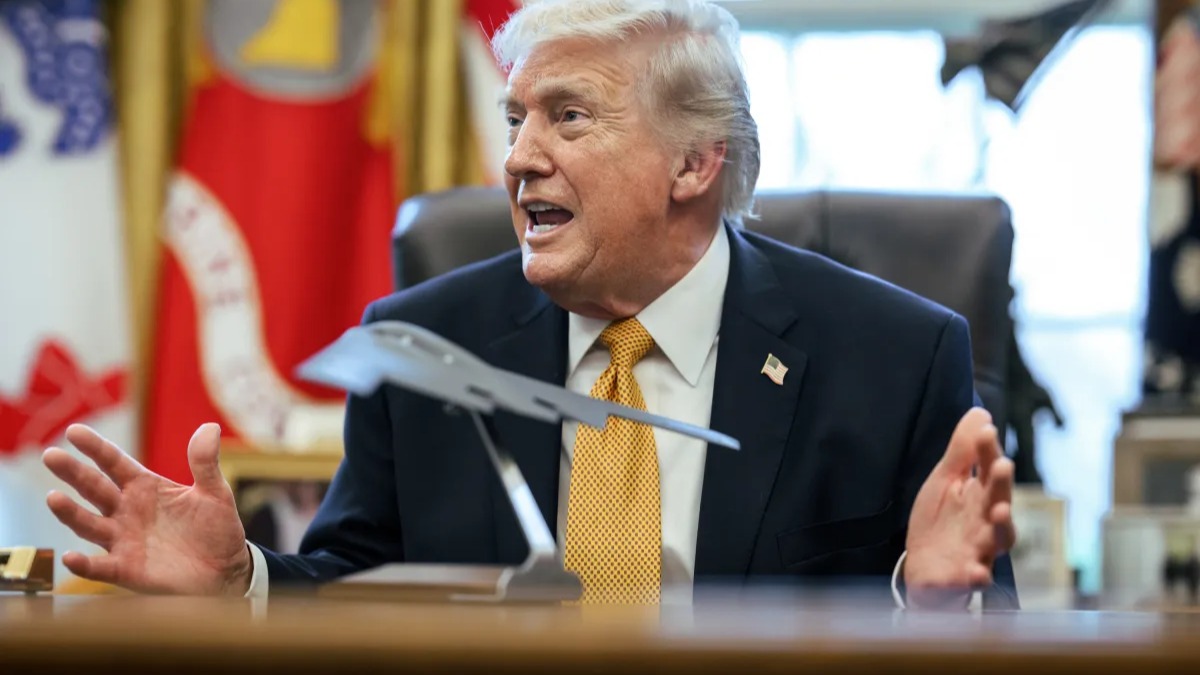
The decision to move forward with the blockade follows the breakdown of weekend peace talks held in Islamabad, Pakistan. Vice President Vance confirmed that the two sides were unable to reach an agreement regarding a ceasefire. President Trump later explained that the negotiations ultimately stalled due to disagreements surrounding the nuclear capabilities of Tehran. According to the president, while many points were addressed during the discussions, the core issue regarding nuclear power remained unresolved.
Trump stated that the points agreed upon during the talks were beneficial, but they did not outweigh the risks of allowing nuclear capabilities to remain in the hands of volatile actors
The Strait of Hormuz is a critical artery for the global oil industry, as roughly one-fifth of the world’s oil supply typically passes through this waterway. It has been effectively closed since the conflict began in late February. During this time, Iran has been charging tolls to vessels attempting to traverse the area, which has contributed to the rising costs of gas and oil that consumers are feeling everywhere. The president has now ordered the United States Navy to interdict any vessel in international waters that has paid a toll to Iran.
Trump made his intentions clear in a post on Truth Social, writing, “Effective immediately, the United States Navy, the Finest in the World, will begin the process of BLOCKADING any and all Ships trying to enter, or leave, the Strait of Hormuz.” The United States Central Command has confirmed that this operation is scheduled to commence at 10:00 AM EDT on Monday, which corresponds to 5:30 PM in Iran.
The president also noted that he expects other nations to participate in this blockade, though he did not provide specific details on which countries might join the effort. This move comes after significant pressure has been placed on NATO allies to assist in reopening the strait, a topic that was reportedly discussed during a recent visit by NATO Secretary-General Mark Rutte to the White House.
The administration is also actively working to remove mines that have been placed in the strait by Tehran. As these military operations ramp up, the broader economic impact remains a primary concern for the public. During a recent interview, President Trump discussed his outlook on energy prices leading up to the upcoming midterm elections. When asked if he believed the price of oil and gas would decrease before the elections, Trump responded, “I hope so. I mean, I think so, it could be, it could be, or the same or maybe a little bit higher, but it should be around the same.”
The failure of the negotiations in Pakistan has left the status of a potential two-week ceasefire in doubt. Trump noted that he received a full briefing on the situation from Vice President Vance, along with special envoy Steve Witkoff and Jared Kushner, who were all present at the negotiations. The president emphasized that the unwillingness of Iran to negotiate on its nuclear ambitions was the deciding factor in the breakdown of the talks.
As the United States Navy prepares to take control of the waterway, the market is bracing for continued volatility. It is clear that the immediate surge in oil prices is likely just the beginning of a much larger economic trend as the blockade takes hold. The focus will now shift to how the international community responds to the blockade and what this means for the global energy supply chain moving forward.








Published: Apr 13, 2026 03:30 pm