





JD Vance’s weekend talks in Pakistan with Iran have collapsed, leaving Tehran with a critical decision after the U.S. delivered its most aggressive move yet: a full naval blockade of Iranian ports. The standoff has sent oil prices surging and left markets on edge as both sides dig in over uranium enrichment and the future of the Strait of Hormuz.
As reported by NBC News, the U.S. demanded a 20-year suspension of Iran’s uranium enrichment program during the Islamabad negotiations, but Iran countered with an offer of just three to five years. That gap was too wide for the Trump administration, which has insisted on removing all highly enriched uranium from Iranian soil.
Iran, however, proposed a “monitored process of down blending” instead, diluting its stockpile to lower potency under international supervision. The International Atomic Energy Agency estimates Iran currently holds nearly 1,000 pounds of highly enriched uranium, enough for 11 nuclear weapons. Tehran maintains its program is purely peaceful, though U.S. officials remain unconvinced.
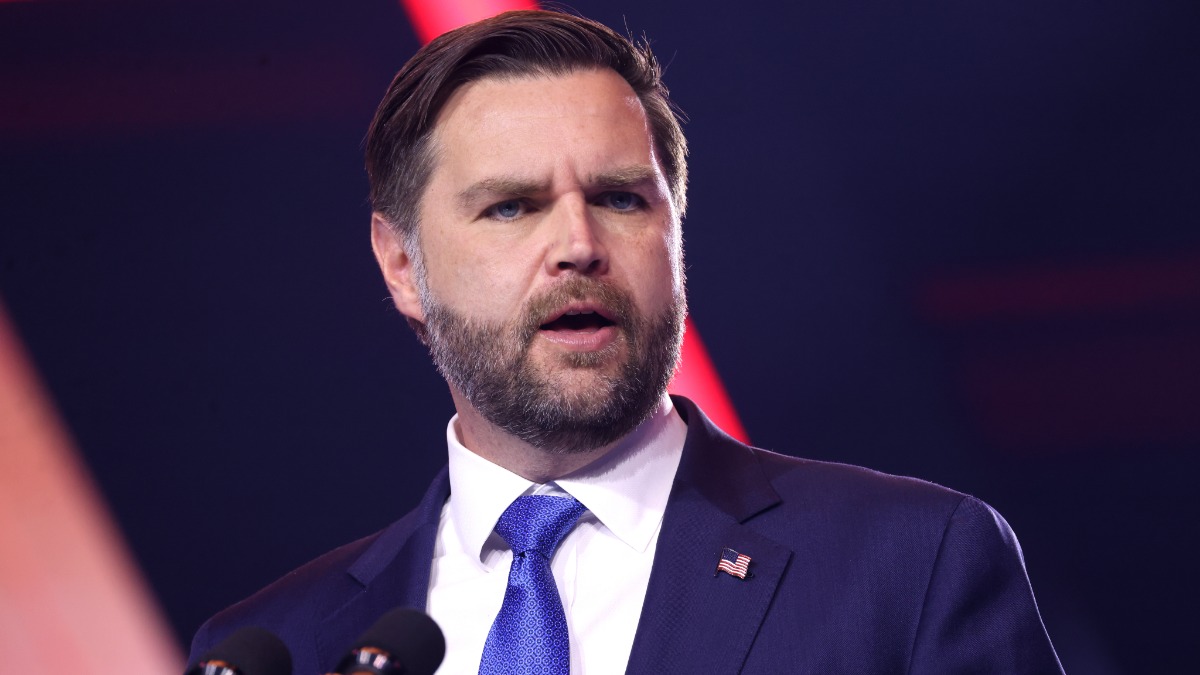
Vance called the talks “good conversations” but made it clear Iran hadn’t moved far enough
“We must have the enriched material out of Iran,” he said. “We must have their conclusive commitment to not develop a nuclear weapon.” The vice president left the door open for future negotiations, saying a “grand deal” was still possible if Tehran was willing to meet U.S. demands. Trump, meanwhile, told the New York Post that an update on the talks could come within days, adding that he’d been contacted by “the right people” in Iran who wanted to negotiate. He didn’t specify who reached out, but the comment sent stocks rallying Monday, with the S&P 500 erasing all its losses since the war began.
The blockade, which went into effect at 10 AM Monday, has already disrupted global oil flows. The Strait of Hormuz, a critical chokepoint for energy shipments, has seen traffic plummet since the conflict escalated. Before the war, hundreds of ships passed through daily, but now fewer than 10 make the journey on most days.
The last tanker to clear the strait before the blockade is expected to reach its destination around April 20, marking the point when pre-conflict oil stocks will be fully depleted. JPMorgan analysts called reopening the strait “the market’s most time-sensitive priority,” warning that further delays could push gas prices even higher.
Oil prices jumped sharply in response to the blockade, with U.S. crude climbing 2.6% to $99.08 per barrel and Brent crude surging 4.3% to $99.36. Wholesale gas prices rose 2%, while heating oil, which is a proxy for jet fuel, spiked 4%. The surge threatens to reverse recent declines at the pump, where the national average for unleaded gas has already climbed more than $1.20 since the war began, hitting $4.12 per gallon Monday. Iran’s parliament speaker taunted the U.S. on X, writing, “Enjoy the current pump figures. With the so-called ‘blockade,’ soon you’ll be nostalgic for $4–$5 gas.”
Trump escalated the rhetoric in a Truth Social post, threatening to eliminate any Iranian “fast attack ships” that approached the blockade. “Warning: If any of these ships come anywhere close to our BLOCKADE, they will be immediately ELIMINATED, using the same system of kill that we use against the drug dealers on boats at Sea,” he wrote.
The aggressive stance reflects the administration’s broader strategy: maximizing pressure to force Iran back to the table. Some analysts believe the blockade could be a calculated move to push Tehran toward concessions. “The focus now shifts to whether the naval blockade encourages another round of negotiations,” said Chris Turner, global head of markets at ING.




Published: Apr 15, 2026 07:45 am