



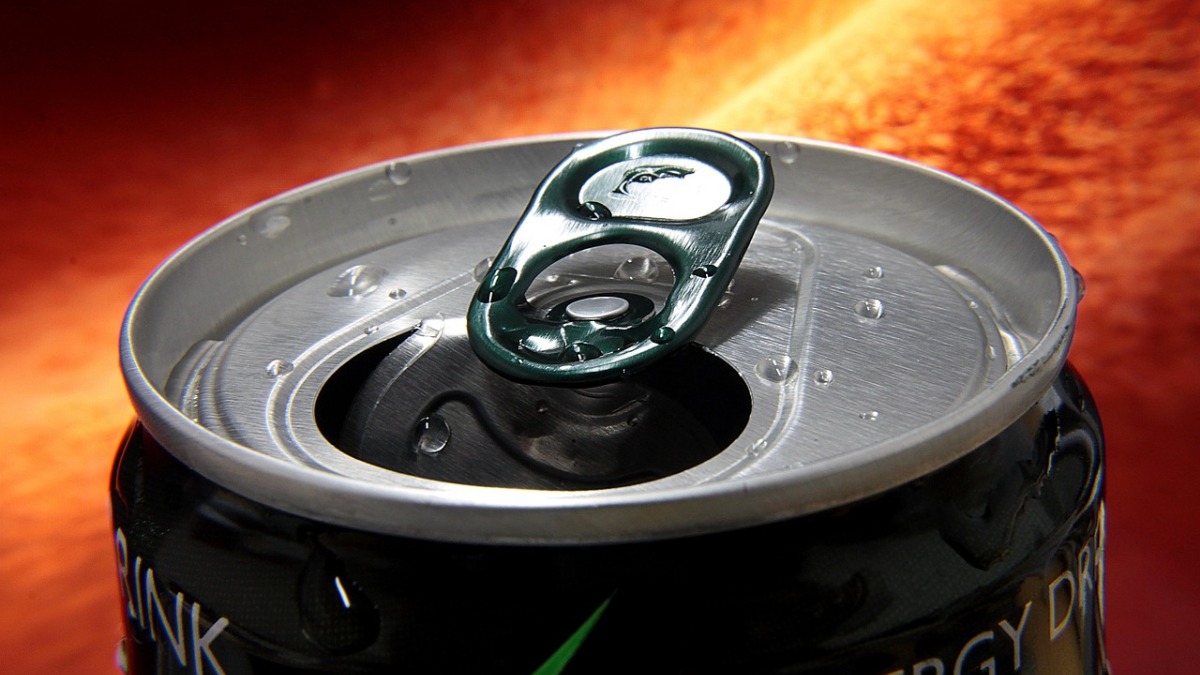

The family of 17-year-old Larissa Nicole Rodriguez has filed a wrongful death lawsuit against Glazer’s Beer and Beverage, the distributor of Alani Nu Energy Drinks, following her death in October 2025. The story gained traction when reported by LADbible, with the family’s lawsuit alleging Larissa died from an enlarged heart caused by excessive caffeine consumption. Her family states she had no pre-existing heart conditions prior to her death.
The Hidalgo County Medical Examiner determined the cause of death was cardiomyopathy, directly linked to excessive caffeine intake. Court documents allege that Larissa suffered a fatal cardiac event “following her consumption of Alani Nu Energy Drinks” on or about October 20, 2025. Family attorney Benny Agosto Jr. said at a news conference that it was common for Larissa to consume an Alani Nu drink before school or during sports activities, and that the family has photos and videos showing her and friends drinking the product regularly.
Each 12-fluid-ounce can of Alani Nu contains 200mg of caffeine. For context, children and teens between the ages of 12 and 18 are generally advised to limit caffeine intake to no more than 100mg per day, according to medical guidance cited alongside FDA caffeine guidelines. A single can of Alani Nu puts a teenager at double that recommended daily threshold.
The lawsuit says the warning is there, but it’s designed to be missed
The family’s legal complaint takes direct aim at the warning label on the can, which states the product is “not recommended for children under 18, those sensitive to caffeine, pregnant or nursing women.” The lawsuit contends this text is “printed in small, inconspicuous text that is easily overlooked and wholly inadequate to warn consumers of serious risks of cardiac injury and death.” The family is seeking $1 million in damages from Glazer’s Beer and Beverage.
Beyond the label, the lawsuit challenges Alani Nu’s marketing approach. It argues that promoting the drink as part of a “healthy, active lifestyle” is “particularly deceptive” and that this framing “conceals the substantial cardiac and neurological risks associated with its concentrated caffeine and stimulant ingredients.” Consumer product deception claims like this have become a recurring feature of high-profile civil litigation, the Anthony Edwards child support case, also filed in April 2026, similarly centers on allegations that key facts were misrepresented to courts and consumers.
Celsius Inc., the company that owns Alani Nu, responded by expressing sadness over Larissa’s death and stating it “takes product safety seriously.” The company noted that the 200mg caffeine content is clearly disclosed on the can and that its policy is “not to market or sample to anyone under 18, consistent with those label warnings.” Celsius also said its products “comply with applicable federal labeling requirements.”
Cardiology and nutrition experts at UC Davis Health note that caffeine triggers the release of noradrenaline and norepinephrine, hormones that increase heart rate and blood pressure. While most regular caffeine consumers may not experience acute effects, those with underlying heart conditions, particularly conditions like atrial fibrillation, face substantially greater risk. The FDA generally considers up to 400mg of caffeine per day unlikely to cause negative effects in healthy adults, but individual sensitivity varies widely based on body weight, medications, and pre-existing conditions.
The American Academy of Pediatrics recommends that children and teens avoid energy drinks entirely, citing risks including elevated heart rate, heart palpitations, high blood pressure, anxiety, and sleep disruption. Energy drinks can range from 41 to 246 milligrams of caffeine per 12 fluid ounces, and caffeine also appears in products many consumers do not associate with stimulants, including certain protein bars, ice cream, and over-the-counter medications.









Published: Apr 14, 2026 09:00 pm