



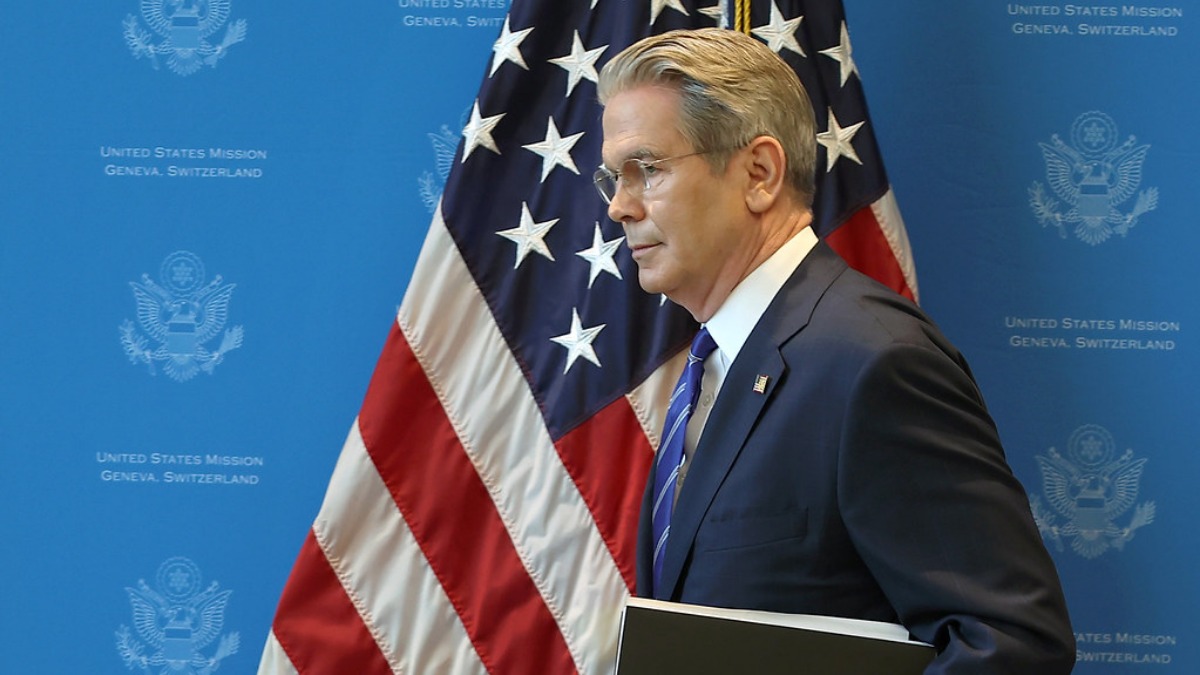

Treasury Secretary Scott Bessent just confirmed that an executive order requiring banks to collect citizenship information from customers is “in process.” In an interview with Semafor, Bessent defended the move, asking, “why don’t we have information on who’s in our banking system?” The draft order, first reported earlier this year, would force banks to request additional identification documents from customers, excluding REAL IDs since they don’t prove citizenship.
Bessent compared the proposal to UK regulations, where property owners must disclose who lives in their apartments. “I have a place in the UK; they want to know who lives in every apartment — and how do we know that it’s not part of a foreign terrorist organization?” he said. The comparison hasn’t eased concerns, especially since the policy would apply to both new and existing bank customers. That means millions of people could suddenly need to produce passports or other citizenship documents to keep their accounts open.
The idea has already drawn sharp reactions. Republicans like Sen. Tom Cotton have been pushing for this kind of policy for months. Cotton reposted a letter he sent to Bessent last October on X, arguing that “access to the American banking system is a privilege that should be reserved for those who respect our laws and sovereignty.” He added that allowing undocumented immigrants to open accounts lets them “establish financial roots and integrate economically, all while bypassing the legal channels that millions use properly.”
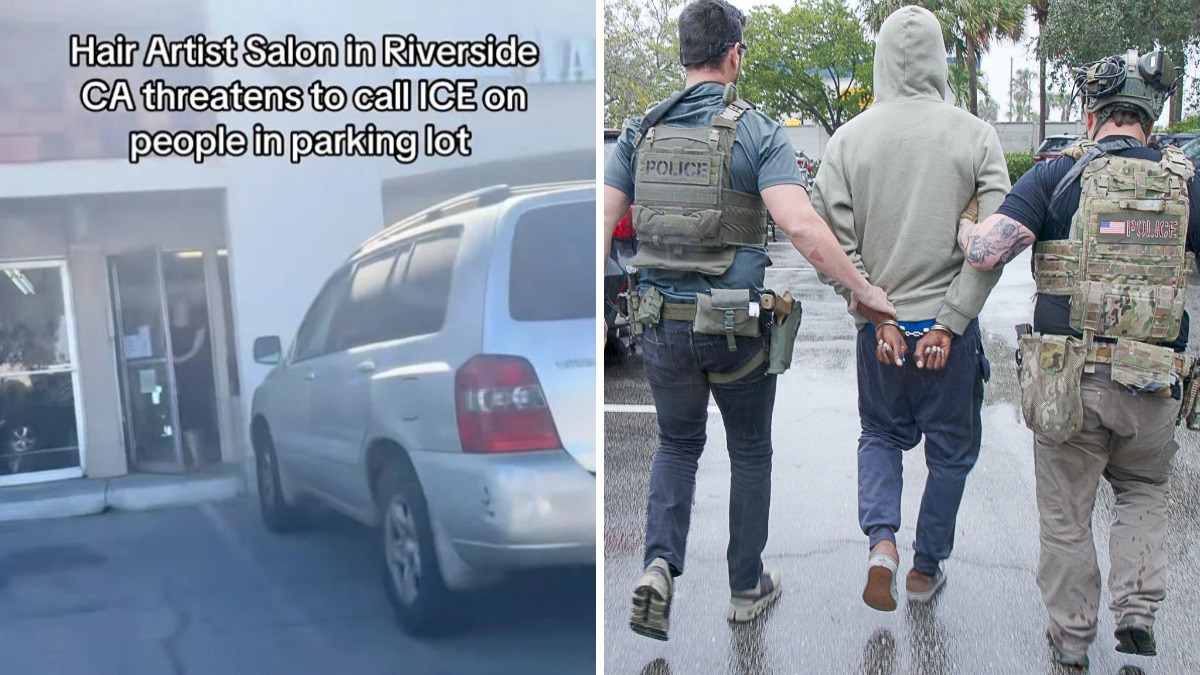
If implemented, this would be the latest step in a broader crackdown on illegal immigration
But the banking industry isn’t on board. A financial services lobbyist called the proposal a “complete nightmare” logistically, and banks have already raised questions about its legal basis. Right now, U.S. banks don’t verify citizenship status; they only collect basic information like name, date of birth, address, and an identification number under “know your customer” rules designed to prevent money laundering and terrorist financing. Adding citizenship checks would be a major shift, and it’s not clear how banks would enforce it without causing massive disruptions.
There’s also the issue of U.S. citizens who don’t have passports. According to the State Department, only about half of Americans have a valid passport. If banks start requiring citizenship documents, millions of people could find themselves scrambling to prove their status. And while the administration frames this as a security measure, critics argue it’s just another way to target undocumented immigrants. The White House has tried to downplay the reports, with spokesman Kush Desai calling them “baseless speculation” earlier this year. But Bessent’s comments this week suggest the policy is very much alive.
The administration has floated the idea of having the Treasury Department’s Financial Crimes Enforcement Network (FinCEN) collect the information, but that hasn’t stopped the backlash. Banks are already pushing back, and the logistics alone could make this a messy rollout. Even if the executive order moves forward, it’s not clear how quickly it would take effect or how banks would handle customers who can’t produce the required documents.
This isn’t the first time the administration has tried to use financial regulations to tighten immigration controls. Earlier efforts have focused on everything from housing to employment, but this would be one of the most direct attempts yet to cut off access to banking services. The question now is whether the policy will actually become reality, or if the pushback from banks and civil rights groups will force the administration to rethink its approach.
For now, the executive order remains “in process,” but Bessent’s comments make it clear that the administration is serious about moving forward. If it does, the impact could be far-reaching, affecting not just undocumented immigrants but also U.S. citizens who don’t have easy access to passports or other citizenship documents. The banking industry is already sounding the alarm, and if the policy goes through, it could lead to a wave of account closures and financial disruptions.
The administration has argued that this is about national security, but the practical implications are much broader. Requiring citizenship checks could create a two-tiered banking system, where some people have full access to financial services and others are locked out. And with only half of Americans holding passports, the policy could end up affecting far more people than the administration intends.
For now, the debate is still playing out behind the scenes. But with Bessent confirming that the executive order is “in process,” it’s clear that this fight is just getting started. Whether the policy will actually take effect—or if it will be blocked by legal challenges or industry pushback—remains to be seen. But one thing is certain: if it does go through, it will change the way Americans interact with their banks.






Published: Apr 15, 2026 08:45 am