




A leaked internal email originating from the United States Department of Defense has outlined potential measures the United States is considering against NATO allies, including the possibility of suspending Spain from the alliance, Al Jazeera reported. This document, which has sparked significant conversation among international leaders, details Washington’s frustrations regarding the level of support European nations have provided for its ongoing war on Iran.
According to a US official who spoke on the condition of anonymity, the email highlights a perceived lack of commitment from key partners like Spain and the United Kingdom. And it specifically talks about the use of military bases and airspace for operations.
The contents of the email suggest that Washington is looking to signal its dissatisfaction to the bloc. One of the most striking proposals mentioned in the correspondence is the potential suspension of Spain from NATO. The document notes that such a move would carry significant symbolic weight while having relatively little operational impact on the day-to-day functions of the US military.
European leaders have wasted no time in responding to these reports
Furthermore, the email suggests a re-evaluation of the US stance on the British Falkland Islands, an area that remains a point of contention with Argentina. The email alleges that there is a sense of entitlement on the part of the Europeans, which the US government appears to be pushing back against through these potential policy shifts.
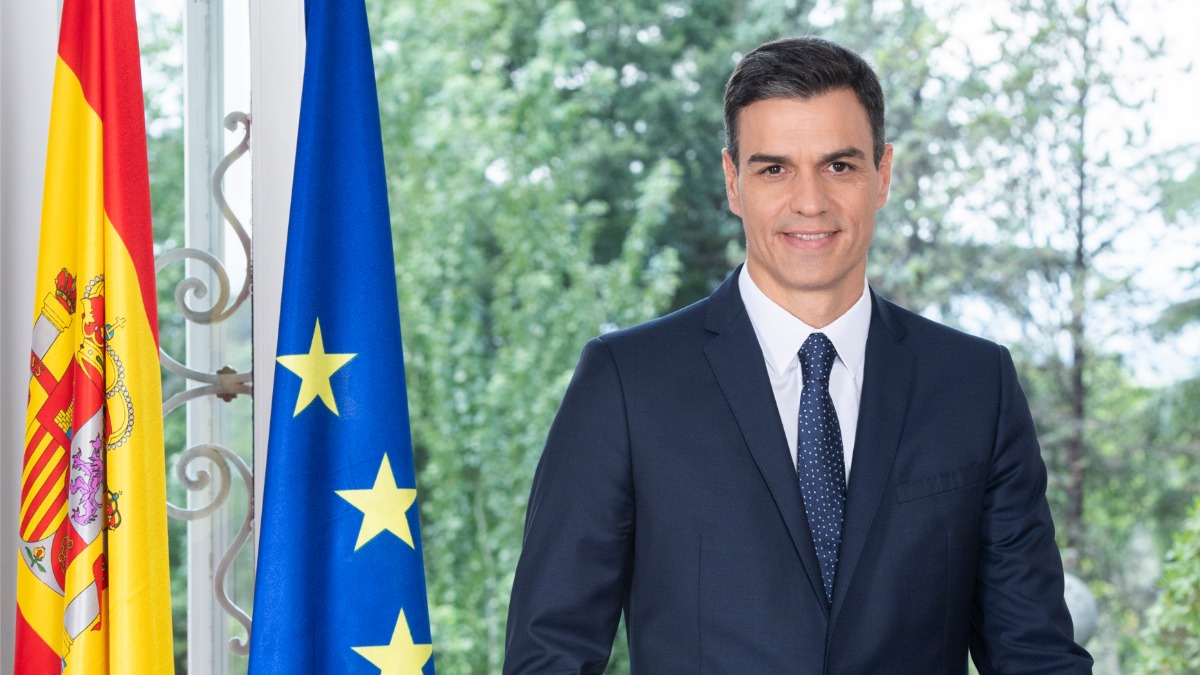
During an EU leaders meeting in Cyprus, Spanish Prime Minister Pedro Sanchez addressed the matter directly. He emphasized that Madrid remains a reliable member of the alliance and continues to meet all of its obligations. Sanchez stated, “I am absolutely not worried,” and added, “We do not work with emails. We work with official documents and positions taken, in this case, by the government of the US.” He maintained that Spain’s position involves absolute collaboration with allies, but he insisted that this must occur within the framework of international legality.
Other European representatives echoed the need for unity within the alliance. Italian Prime Minister Giorgia Meloni, who was also present at the Cyprus meeting, asserted that NATO must remain united. Meanwhile, a German government spokesperson clarified that Spain’s membership in the alliance is not currently in question, stating, “Spain is a member of NATO. And I see no reason why that should change.”
The United Kingdom also addressed the claims regarding its own territory. A spokesperson for British Prime Minister Keir Starmer made it clear that the UK’s position on the Falkland Islands is unchanged. The spokesperson noted, “Sovereignty rests with the UK, and the islands’ right to self-determination is paramount. It’s been our consistent position and will remain the case.” When asked whether the email represented an attempt by the US to pressure the Prime Minister into joining the war on Iran, the spokesperson responded, “Pressure does not affect him, and he will always act in the national interest.”
These tensions are not entirely new, as US officials have long expressed frustration over the hesitation of European allies to allow the use of their bases for attacks on Iran. The leaked email explicitly states that basing and overflight rights should be considered the absolute baseline for NATO members. This frustration is compounded by rhetoric from the highest levels of the US government.
The US president has previously called Spain “terrible” and threatened to end trade, while also mocking the UK’s aircraft carriers as “toys.” The president has also criticized Starmer directly and urged NATO nations to deploy their navies to the Strait of Hormuz, which has been largely closed to global shipping for two months. By calling the 77-year-old alliance a “paper tiger” without the US, the current administration is clearly signaling a new, more aggressive expectation of its partners.
US Defence Secretary Pete Hegseth added to the pressure during a news conference regarding the situation in the Strait of Hormuz. He remarked, “the time for free-riding is over.” Hegseth continued, “America and the free world deserve allies who are capable, who are loyal and who understand that being an ally is not a one-way street. It’s a two-way street.”
He further urged European nations to stop holding conferences and instead focus on tangible military action, stating, “We are not counting on Europe, but they need the Strait of Hormuz much more than we do, and [they] might want to do less talking and having less fancy conferences in Europe, and get in a boat. This is much more their fight than ours.”
While the rhetoric remains heated, it is important to note that the Pentagon email does not suggest a full US withdrawal from NATO, nor does it propose the closure of existing US bases in Europe. Still, the message from Washington is clear: the status quo regarding alliance support is no longer acceptable to the United States.







Published: Apr 24, 2026 05:00 pm