



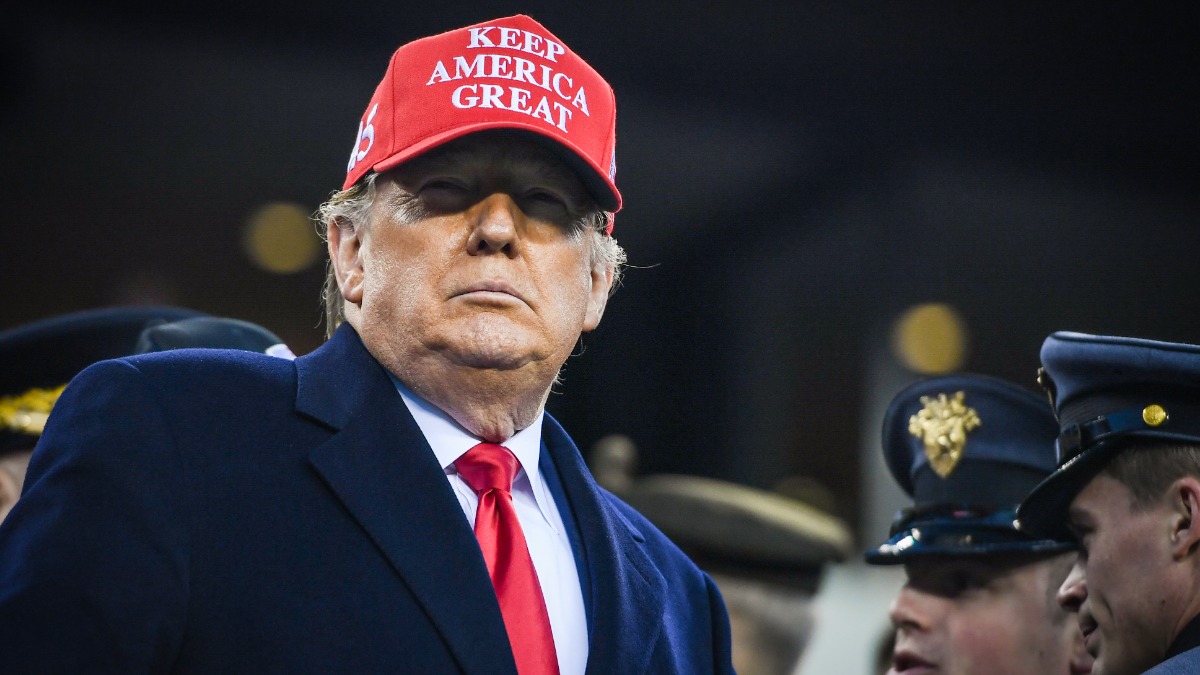

The landscape of the Indiana state Senate has shifted significantly following Tuesday’s primary elections, where a wave of Trump-backed challengers successfully unseated several incumbent Republicans, The Hill reported. According to Decision Desk HQ, only one of the seven GOP state senators who faced primary opposition due to their resistance to a mid-decade redistricting plan managed to secure a victory. This result serves as a major indicator of the influence held by the former president within the state party, especially concerning the high-stakes debate over congressional district lines.
The electoral map saw several longtime incumbents fall to challengers who campaigned on the redistricting issue. In the 19th District, Blake Fiechter defeated incumbent state Sen. Travis Holdman. The 21st District saw Tracey Powell unseat state Sen. James Buck, while Michelle Davis won against state Sen. Greg Walker in the 41st District.
Additionally, Trevor De Vries emerged victorious over incumbent state Sen. Dan Dernulc in his race, and in the 11th District, Brian Schmutzler defeated state Sen. Linda Rogers. Another incumbent, state Sen. Rick Niemeyer, also lost his primary to challenger James Starkey, though he was not part of the specific group targeted for the redistricting vote.
The tension surrounding these races stems from a failed push last year to redraw Indiana’s congressional map
As of the time of writing, one race remained too close to call. Incumbent GOP state Sen. Spencer Deery is currently neck and neck with challenger Paula Copenhaver, with 95 percent of the vote reported. The only incumbent who managed to successfully fend off a Trump-backed challenger is state Sen. Greg Goode, who represents the 38th District.
While the Indiana House passed an aggressive 9-0 map favored by Republicans, the plan stalled in the state Senate. In December, 21 GOP senators joined 10 Democrats to reject the new lines. This decision drew the ire of national Republicans and the former president, who viewed the map as a critical opportunity to secure additional seats in the U.S. House of Representatives. In a post on Truth Social, the former president had previously warned that anyone who voted against redistricting would be met with a MAGA primary.
Leading up to the vote, Indiana Senate President Pro Tempore Rodric Bray defended the caucus’s decision to maintain the current district lines. During an interview on Monday, he told Dana Bash that the caucus was fairly evenly split but ultimately decided that the plan was not the right way for the state to move forward.
He noted that while a 9-0 Republican delegation might seem ideal to some, the process of mid-decade redistricting breeds an abundance of cynicism. Despite the pressure campaign, which included millions of dollars in advertising from outside groups like the Club for Growth and Turning Point USA, many local leaders stood by their legislative choices.
The primaries have been described as a key test of how much weight a presidential endorsement carries in downballot contests. Because many of the challengers were relatively unknown figures, the backing from the former president provided a massive boost in terms of visibility and financial resources. Supporters of these challengers argued that the incumbents failed to support the success of the party at the national level, while critics of the primary push suggested that voters might simply prioritize local relationships over national redistricting goals.
The redistricting conflict is not unique to Indiana, as states across the country have been caught in a cycle of redrawing maps to gain political advantages. While Republicans pushed for changes in states like Missouri and Texas, Democrats have countered with new maps in California and Virginia.
The national landscape remains chaotic, especially following a recent Supreme Court ruling that weakened a provision of the Voting Rights Act. This decision has the potential to influence future map-making efforts, though it remains unclear if further changes can be implemented before the upcoming elections.



Published: May 6, 2026 03:00 pm