



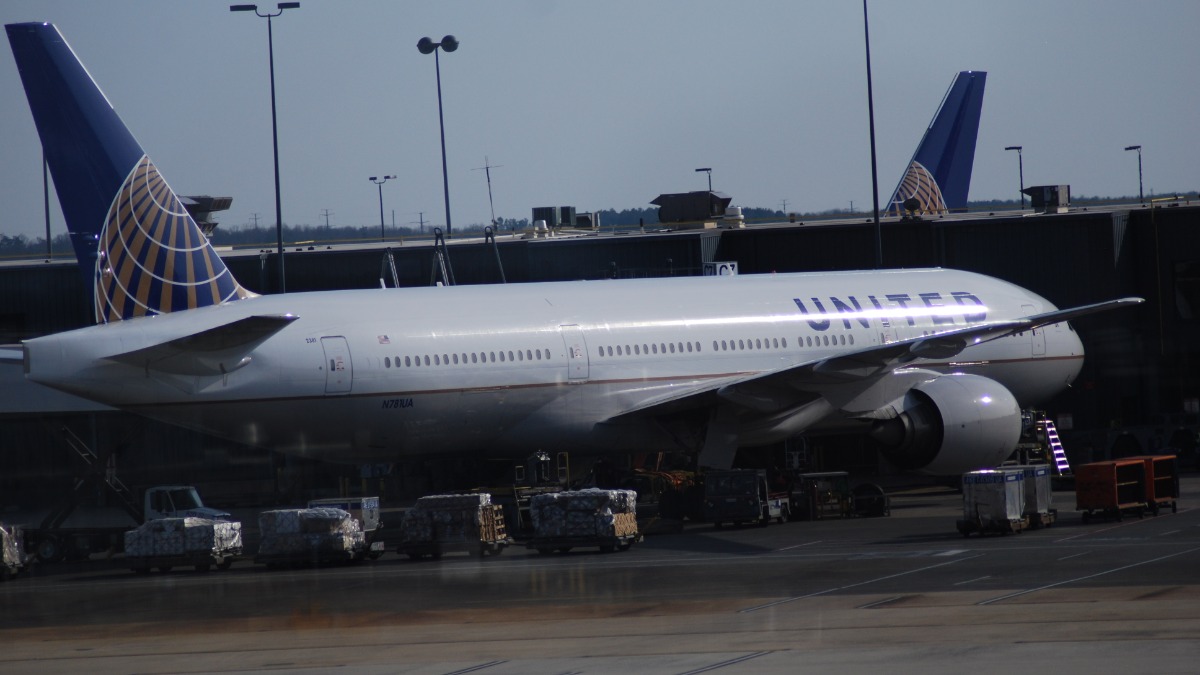

Jet fuel prices have doubled since the start of the Iran war, and the CEO of a major airline trade group is warning travelers to brace for higher ticket costs in the coming months. Chris Sununu, the former New Hampshire governor who now leads Airlines for America, said that airlines are doing everything they can to avoid passing those costs directly to customers, but it’s only a matter of time before prices climb.
Sununu told The Hill that the cost of jet fuel has shot up since the U.S. and Israel launched strikes against Iran. The Iranian military responded by restricting shipping through the Strait of Hormuz, a critical route for global oil supplies, which sent fuel prices soaring. In March alone, U.S. airlines spent $5.06 billion on fuel, a 56% jump from February, according to the Bureau of Transportation Statistics. Sununu made it clear that airlines can’t absorb those costs forever.
“The airlines themselves will lose $12 billion this year because they’re trying to avoid passing most of it off to the customer,” Sununu said. “But there will be a price increase.” He didn’t sugarcoat the timeline, either. Even if the Strait of Hormuz reopens soon, jet fuel prices won’t drop as quickly as they rose. “It comes up fast and it goes down slowly because it’s a supply chain issue,” he explained.
This means travelers can expect elevated ticket prices through the summer and into the fall.
Airlines are already making moves to offset the financial strain. Sununu said carriers are looking at increasing baggage fees and cutting flights that aren’t profitable at current fuel prices. Several major U.S. airlines have already started trimming their schedules, and more reductions could be on the way. The goal is to keep ticket prices as stable as possible, but with fuel costs this high, something’s got to give.
The collapse of Spirit Airlines over the weekend isn’t helping matters. The budget carrier shut down operations after failing to secure a bailout from the Trump administration, removing 3.4% of the market’s capacity. Fewer flights mean less competition, which could push prices even higher. Sununu didn’t directly tie Spirit’s failure to the fuel crisis, but the timing is hard to ignore. The airline had been struggling for years, but the sustained surge in jet fuel prices was the final blow.
If you’re planning summer travel, Sununu’s advice is simple: book now. He recommended locking in domestic flights one to three months in advance and international trips three to six months ahead. “If you’re booking a ticket, you should book 60 to 90 days out,” he said. “You should book in the same timeframe to get the best price.”
The political fallout from rising fuel costs is already a concern for the Trump administration. The Wall Street Journal reported that advisers are worried Republicans will pay a price at the polls if prices stay high through the midterms. Sununu has been vocal about the economic impact, warning officials that the longer the war drags on, the worse it gets for airlines and travelers. Privately, Trump’s team is pushing to end the conflict as quickly as possible, hoping to ease the pressure on fuel prices before November.
Trump himself has downplayed the economic impact, calling the current oil prices “a very small price to pay for getting rid of a nuclear weapon from people that are really mentally deranged.” But the numbers tell a different story. A recent poll found that 63% of Americans blame Trump for the rise in gas prices, and more than 80% say the higher costs are straining their finances.
Jet fuel prices roughly doubled in the weeks after the war began, and they’ve stayed high ever since. Airlines have been raising ticket prices to compensate, with the average domestic round-trip economy fare jumping 21% year-over-year to $570 in March.









Published: May 7, 2026 06:15 pm