



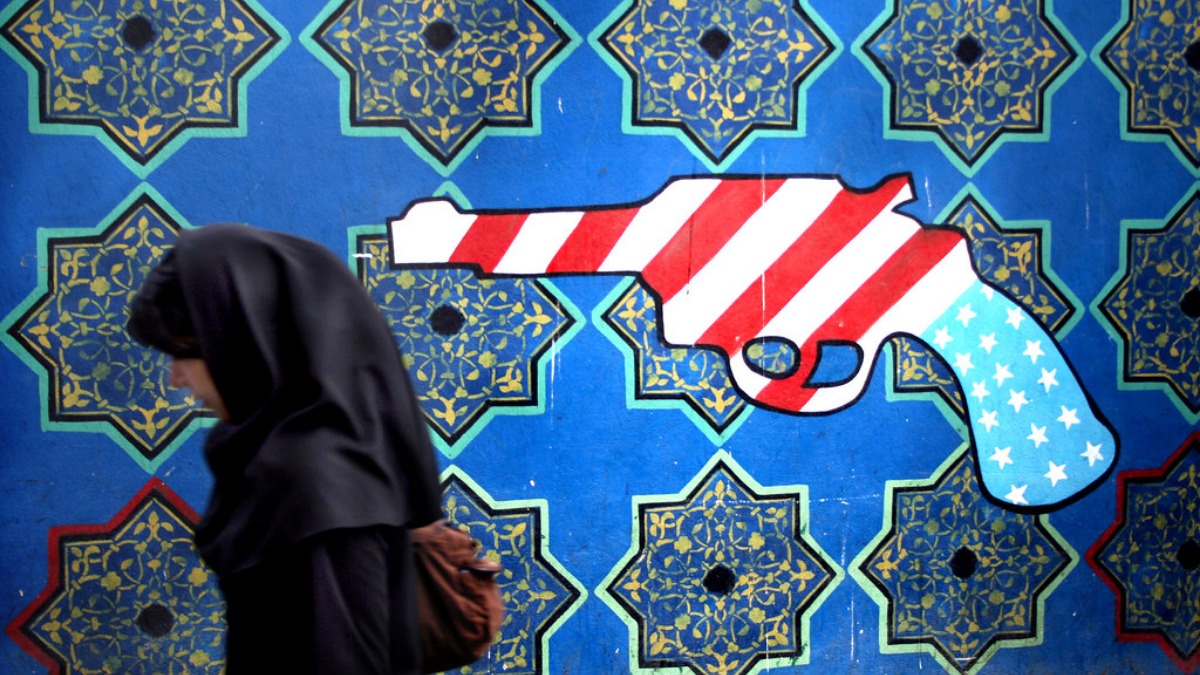

Israel’s four-year plan to bring down the Iranian government did not end with a strategic win. Rather, it ended with a phone call from Turkish President Recep Tayyip Erdogan to Donald Trump. After 40 days of intense fighting, the plan to reshape the Middle East fell apart, and those involved were left to deal with the outcome of a mission that never came together the way it was meant to.
The idea of removing Supreme Leader Ali Khamenei and replacing him with a secretly recruited figure first came up within Israel’s security circles during the Olmert government. That proposal never got off the ground.
But when Benjamin Netanyahu returned to the prime minister’s office in 2023, he brought the concept back. He was looking for a sweeping solution to the threats from Iran, its nuclear program, its missiles, and its regional proxy forces, per Ynet.
The plan reached full readiness, but fell apart under pressure from Washington and Ankara
The Mossad was eager to move forward, but the IDF Intelligence Directorate was far more doubtful. Israel has long been careful about trying to shape foreign governments, especially after the failure of the Bashir Jumayel project in Lebanon, which became a lasting warning against using intelligence operations to force political change. Still, Dedi Barnea, who became head of the Mossad in 2021, made influence operations inside Iran a core part of the agency’s work.
The strategy was built to strike at the regime from both the top and the bottom, fueling public protests while planning targeted military strikes at the same time. The plan appeared to reach its full operational shape about two and a half months ago, when Trump and Netanyahu met in February.
During a situation room meeting, Barnea presented the full plan to Trump through an encrypted conference call. Trump appeared open to it, reportedly seeing it as similar to a CIA operation in Venezuela involving the abduction of President Nicolás Maduro.
But the reality was far more brutal. When the war started, the Iranian regime responded with extreme force. Both Trump and Netanyahu called on the Iranian people to take to the streets, but the public did not move. Fear of the regime’s security forces kept them home.
Opposition within Washington also grew quickly. Vice President Vance, Secretary of State Rubio, and CIA Director Ratcliffe all spoke out against the plan, calling it a farce. Reports also emerged of serious internal tensions inside the White House, with senior officials threatening to fire staff who leaked information to the press. Then came the call from Erdogan.
The Turkish president, who was worried about the role of Kurdish militias in the proposed invasion and was competing with Israel for regional influence, called Trump directly. That call turned out to be the deciding moment. Trump ordered the invasion to stop just hours before Kurdish forces were set to cross the border. By the fourth day of the war, it was clear the hoped-for outcome was not going to happen.
Israel, which had been the main architect of the plan, quickly found its influence in the White House shrinking as the MAGA movement began pulling away from the operation. What had started as a bold attempt to solve the Iran problem in a single move ended in failure. The episode has now sparked a serious debate about whether the entire project was ever realistic or whether it was, from the beginning, built more on ambition than on solid ground.









Published: May 10, 2026 12:30 pm