




Ayley Crawford was 19 years old and just weeks into her nursing degree at Glasgow Caledonian University when she began experiencing what she assumed were repeated colds and sinus infections. She spent long stretches feeling weak and exhausted, but it was not until she fainted during an exam that she accepted something more serious was happening. As detailed by UNILAD, her doctor ordered a blood test and referred her to University Hospital Wishaw on suspicion of diabetes.
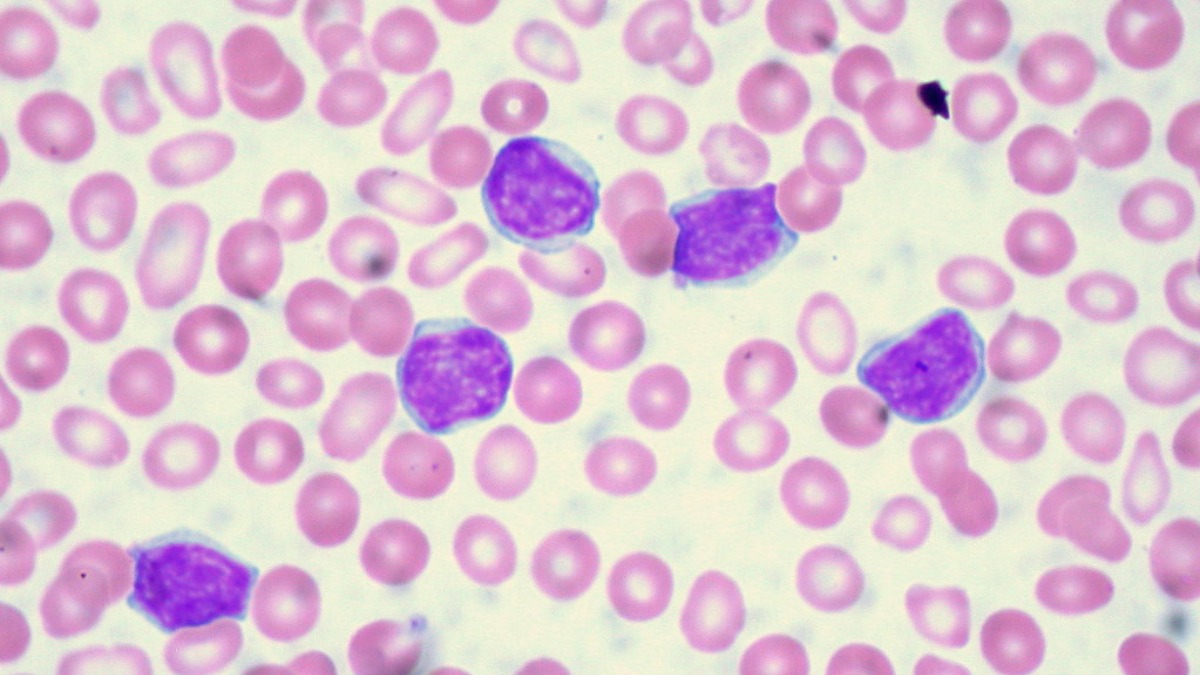
After a series of further tests, Ayley received a diagnosis of acute myeloid leukaemia, or AML. According to the Cleveland Clinic, AML is a fast-growing cancer of the blood and bone marrow that can cause rapid onset of fatigue and requires urgent treatment. “My first thought was ‘I’m going to die’,” Ayley told SWNS. “I knew something was wrong with me, but I never thought it would turn out to be cancer.”
Because of how aggressive AML is, she began treatment immediately. She underwent four cycles of chemotherapy, experiencing side effects including hair thinning and sickness throughout.
She reached remission, then relapsed months later
AML is a rare cancer that primarily affects adults aged 60 and older, though it can also strike younger adults and children. It occurs when mutations in certain genes or chromosomes cause the bone marrow to produce abnormal cells called myeloblasts, which multiply uncontrollably and crowd out healthy blood cells.
The American Cancer Society notes that AML accounts for roughly one in three leukemias in adults and about 1% of all cancers. Amid other stories of delayed or missed diagnoses, a young woman whose symptoms were dismissed as women’s problems ultimately lost most of her stomach to a rare cancer that went undetected for years.
In November 2024, Ayley was told she had reached remission and was planning to return to university. That changed in March 2025, when a routine bone marrow biopsy revealed she had relapsed. She described the news as a complete shock, saying she had felt entirely fine in the lead-up to the results.
Her second round of treatment required a stem cell transplant. A donor was located in Australia, and Ayley was admitted to the Queen Elizabeth University Hospital in Glasgow in July 2025 for the procedure. She described the transplant as the worst experience of her life, and spent three months in isolation afterward while dealing with side effects including eye swelling and rashes.
Ayley is now in remission again. She has spoken openly about the lasting mental toll, noting that anxiety around a potential relapse will not go away. She is currently considering a career in oncology, and says her nursing background helped her understand the medical terminology and communicate clearly with family throughout her treatment. “I was really glad I was studying nursing as it made the medical terms so much easier,” she said.
Fiona Hazell, Chief Executive of Leukaemia UK, said early diagnosis saves lives and urged anyone experiencing symptoms to ask their GP for a Full Blood Count test. Early signs of AML can include fatigue, dizziness, frequent infections, easy bruising, unexplained weight loss, and fever, all of which can be mistaken for a common cold or flu.
The disease’s overlap with everyday illnesses is part of what makes awareness so critical, and a recent California case involving a fatal house fire under suspicious circumstances underscores how quickly and unexpectedly life can change. Recognizing persistent health changes and requesting a blood count test remains the most actionable step for early detection.









Published: May 18, 2026 07:30 pm