



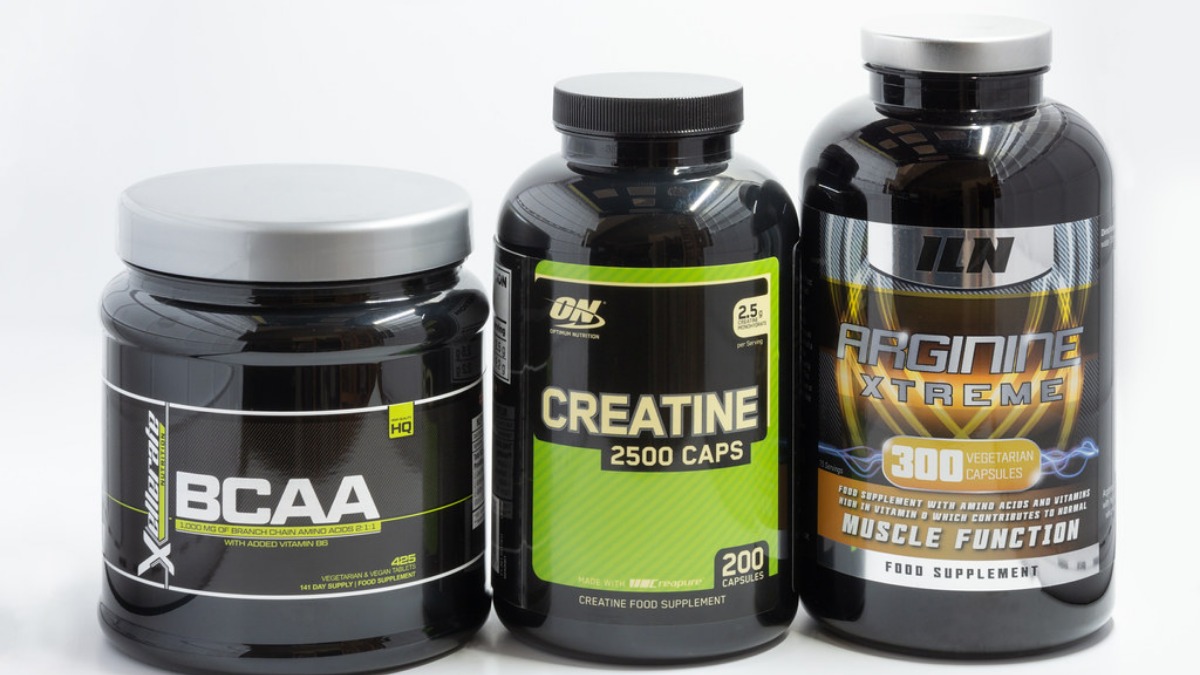

A lot of people assume that more creatine means faster results in the gym, but a leading researcher is pushing back on that logic. The science, it turns out, doesn’t support megadosing, and continuing to do so is likely just burning a hole in your wallet. As highlighted by LADbible, doctors have now weighed in on what the ideal dose actually looks like.
Richard Kreider, director of the Exercise & Sport Nutrition Lab at Texas A&M University, recently broke down the reality of creatine supplementation, and his advice is straightforward. According to Kreider, you should aim for two doses of five grams spread throughout the day. It is an evidence-backed approach that avoids the pitfall of dumping a large amount into your system all at once.
If you are already getting solid results from a single five-gram dose and feel good, there is no real reason to push it to ten. Doubling the dose does not double the benefits, and that is a textbook case of the law of diminishing returns.
More is not always better when it comes to supplementation
That said, Kreider acknowledged that if you want to test how your gut handles larger amounts, there is no serious harm in experimenting. You might even pick up a small bone and brain boost in the process. The caveat is cost. Creatine is not cheap, and paying extra for incrementally smaller returns is worth reconsidering, a principle that applies beyond the gym too, amid broader conversations about ignoring recommended dosages.
It is also worth understanding what creatine is actually doing in the body. Your body uses it naturally in skeletal muscles to help power movement. Supplementing simply gives those systems a bigger reserve to draw from. But it is not a one-size-fits-all solution, and there are specific groups who should avoid it entirely. The Cleveland Clinic advises against creatine for those who are pregnant or breastfeeding, have a liver or kidney condition, or have diabetes.
If you do decide to use creatine, a few side effects are worth knowing about. Gastrointestinal distress is the most commonly reported, showing up as nausea, an upset stomach, or diarrhea. These symptoms can often be reduced by mixing the supplement with more liquid or splitting doses across the day rather than taking everything at once.
Some users also report feeling like they have gained weight, but this is typically just water. Creatine draws water into muscle cells, which is actually beneficial for hydration and cell function, not a sign of added body fat. Research on how the body responds to concentrated compounds at the cellular level has generated a lot of interest lately, including a viral look at electric sodium delivery in food that caught people off guard.
Muscle cramps are also sometimes attributed to creatine, though the more likely culprit is simply training harder than usual. If your workouts are more intense, your muscles are going to respond accordingly.
Creatine works by helping the body produce a steady supply of adenosine triphosphate, the energy currency your cells use to push through tough sets. It has documented benefits for muscle growth, exercise performance, and even cognition. Whether you are lifting, playing a sport, or just want to improve your strength output, it can be a useful addition to your routine if used at the right dose. The advice from the research is consistent: stick to a moderate, evidence-based amount and stay consistent, rather than trying to force results with excessive quantities that your gut may not thank you for.









Published: May 23, 2026 07:00 am