



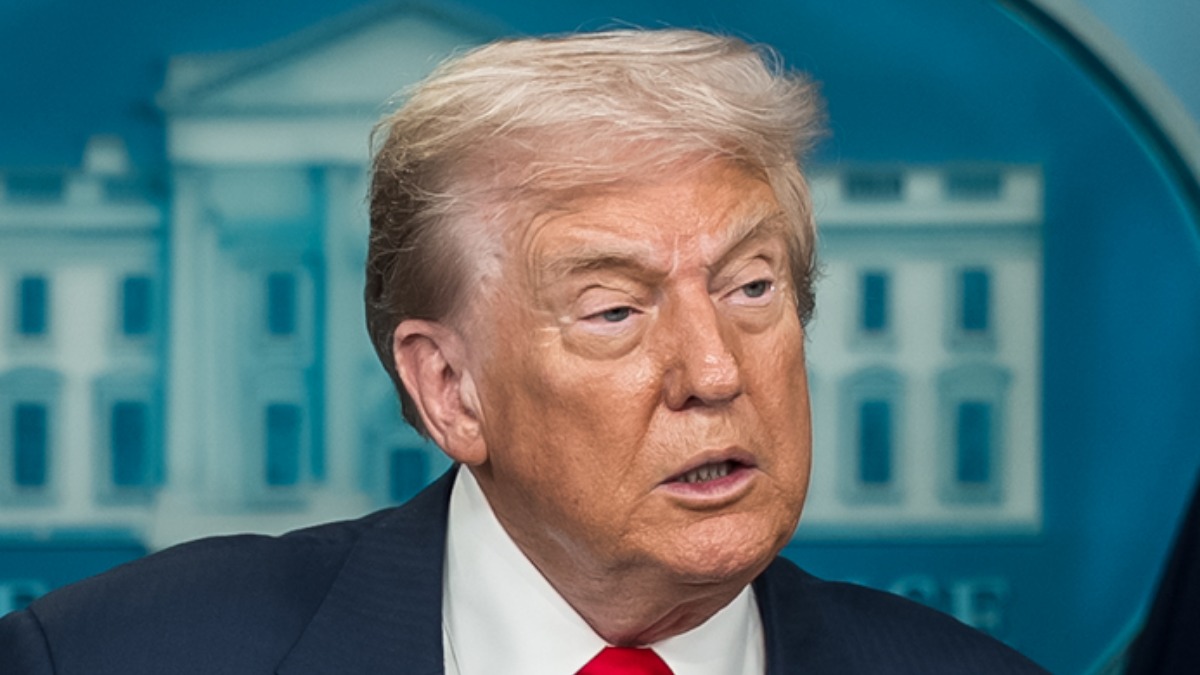

Official figures released by the Bureau of Labor Statistics show that US prices jumped by 4.2 percent over the previous 12 months as of May, marking the fastest rate of increase in three years. This shift from the 3.8 percent rate observed in April is largely driven by surging energy costs tied to the ongoing war between the US and Israel and Iran. As reported by the BBC, President Donald Trump commented at the White House, saying, “I love it. The numbers were great. You know what I really love? I love the inflation.”
It is certainly a bold statement to hear from the president, especially when households across the country are dealing with the reality of higher costs. The Consumer Price Index has now risen for three consecutive months, and the strain on families is becoming increasingly clear as they manage their budgets. When you look at the breakdown of these costs, it is easy to see why people are concerned.
Overall energy bills, which include both gas and electricity, were nearly 25 percent higher in May than they were a year ago. A significant portion of this spike is directly attributable to the price of petrol at the pump. According to data from the motoring group the AAA, the average price of a gallon of regular petrol has reached $4.15. This is a dramatic jump from the $2.98 price point recorded on February 28, which was the day President Trump launched strikes on Iran.
The conflict has had a massive impact on the global energy market because of Strait of Hormuz closure
This waterway is critical, as it typically handles around one-fifth of the world’s oil and gas supply, and closing it has created a major choke point that restricts the flow of energy. While the US military reported launching strikes on Iran for the second time in as many days on Wednesday night, both sides continue to exchange fire despite a ceasefire that was supposed to take effect in April. The conflict has now been ongoing for more than three months, and economists are warning that even if the war ends quickly, it could take until 2027 to fully restore the normal flow of goods through the Strait of Hormuz.
President Trump has maintained that these rising prices are only a temporary issue and that they will cool down rapidly once the war concludes. He promised that the costs would “come down like a rock” once the conflict is resolved. He also noted that he saw petrol selling for $1.85 per gallon during a trip to Iowa in early 2026, and he is confident that “we will be back at those levels very soon.” During his remarks, the president mentioned that US forces have conducted nighttime operations to seize millions of barrels of oil from Iran, which he believes has already helped contribute to a slight drop in oil prices.
Following the initial reactions to his comments, President Trump spoke with the New York Post to clarify his position, stating that his words were taken out of context. He explained that he meant he was pleased that the inflation figures were not actually higher than they currently are. “I love the inflation numbers because of what I’m talking about,” Trump told The Post. “The numbers are going to be phenomenal because what’s showing is that despite the fact that we’re in a war, the numbers are much lower than anticipated, and when we’re out of that war, the numbers will be at lower numbers than they were even before it started.”
Despite his explanation, the remarks have drawn significant criticism from political opponents. Senate Democratic Leader Chuck Schumer took to X to voice his disapproval, stating, “His contempt for you knows no bounds.” This situation presents a real political challenge for the administration, particularly because voters have consistently identified the economy as a top priority heading into the November midterm elections.
The economic pressure is also reaching the Federal Reserve. With inflation sitting well above the long-term target of 2 percent, there is growing speculation about whether the central bank will raise interest rates. Raising rates is a standard tool used to curtail spending and slow down price hikes, but it also increases borrowing costs. Kevin Warsh, the new governor of the Fed, faces this dilemma ahead of his first interest rate decision scheduled for next week.
While Stephen Brown, chief North America economist at Capital Economics, noted that May’s data might not be enough to force a rate hike, others like Isaac Stell, an investment manager at Wealth Club, believe that a hike is the most logical conclusion given the recent jobs numbers and inflation data. For now, the country waits to see how these forces will align as the war continues to impact the economy.









Published: Jun 11, 2026 04:00 pm