



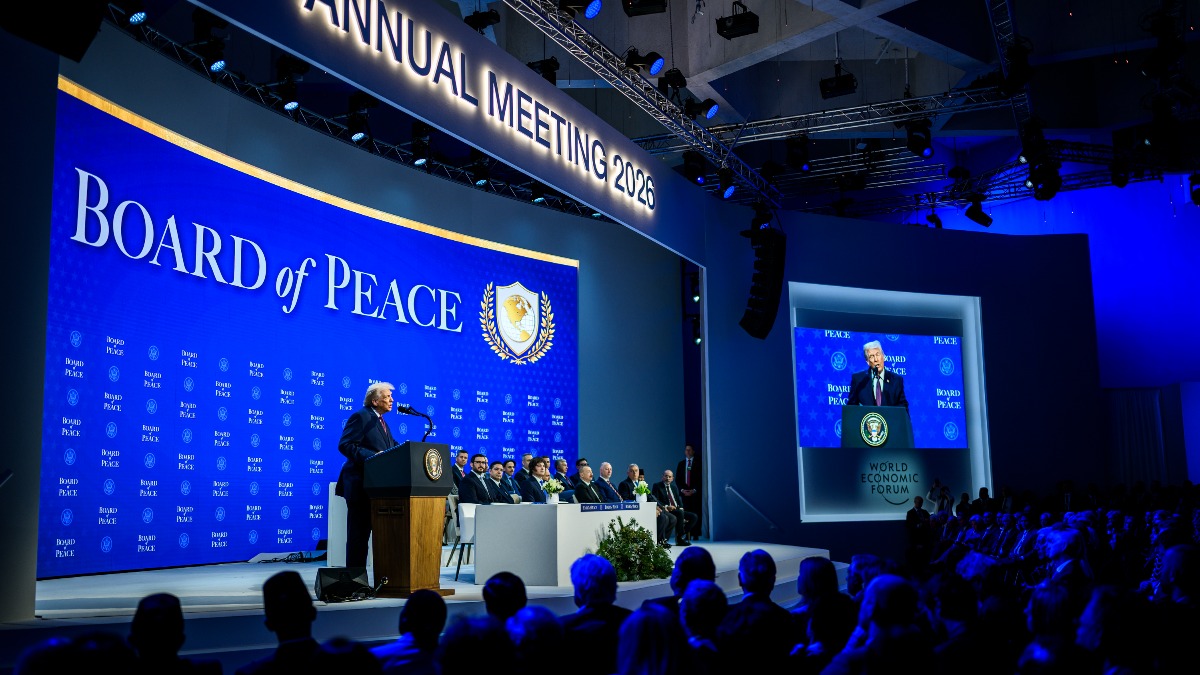

According to The Guardian, a leaked draft resolution suggests that the Board of Peace, the group set up by Donald Trump to oversee Gaza, plans to give itself and its partners broad legal immunity. The four-page document, marked as sensitive but unclassified, lays out protections that would cover the Board of Peace, the office of the high representative, and various international military forces and contractors working in the region.
If the resolution takes effect, it would shield these groups from any arrest, detention, or legal action within the courts or other bodies in Gaza. It also indicates that the board could take public property in the territory at no cost. This is a significant step, given that the board is responsible for major rebuilding and security work in the area.
The executive board leading this effort includes several well-known names, such as Jared Kushner, Steve Witkoff, Susie Wiles, and Marco Rubio. Countries have promised billions of dollars to support the mission, but those funds have not been transferred yet, and major contracts are still pending. The draft says that Donald Trump, as chair of the board, would keep the power to waive a person’s immunity if he gets majority support from his board.
The leaked draft reveals a sweeping immunity framework and unanswered oversight questions
The Board of Peace did not answer specific questions about the draft resolution. However, an official stated, “There is no operative resolution or immunity framework of the kind described in your questions.” The official further claimed that any suggestion of lawlessness or impunity is misleading, and that the board will make sure all personnel follow applicable law.
They also said the suggestion that the President would have a role in waiving immunity is “categorically false,” though they did not explain exactly what the oversight measures would look like. Legal experts are raising serious concerns about what this means for accountability.
As per the Guardian report, six lawyers who reviewed the draft pointed out that it remains unclear how soldiers or contractors would be held responsible if they are involved in shootings, accidents, or other disputes. Emily Schaeffer Omer-Man, an expert in international humanitarian law, said, “It looks like an attempt to exempt the board, and all of its personnel, from accountability for potential legal violations.”
The chance that the board could take public premises and facilities without payment is another major point of dispute. Critics argue this could lead to the illegal seizure of Palestinian property. Omar Shakir, the executive director at Dawn, stated, “By unilaterally declaring the power to seize Palestinian land, property and buildings for their own use without consent, compensation or redress, the Board of Peace is taking a page out of Israel’s repressive playbook.”
Nickolay Mladenov, who serves as the high representative for Gaza, has been in Cairo meeting with Palestinian administrators to discuss the framework for the board’s work. It appears the Palestinian group has not yet been shown the immunity resolution, which is titled RESOLUTION NO 2026/3.
The resolution is set to take effect once Mladenov signs it, though it is currently unknown who else might be expected to sign the document. Funding has also been slow, and reports show that pledged Gaza reconstruction funds remain unpaid.
Industry experts note that contractors are looking for a clear legal framework to operate under, similar to questions raised during past reconstruction efforts in Iraq and Afghanistan, where controversies over corruption and civilian harm were significant.
This draft appears to move toward a system that lacks traditional external oversight as the board works toward its goal of rebuilding Gaza. The board’s makeup has also drawn scrutiny, including criticism over a controversial board recruit.







Published: Jun 28, 2026 08:33 am