





A Boston server recently found herself in a position to walk away with an extra $600, but chose not to keep it. As reported by Brobible, Tania, known as @taniarose1028 on TikTok, shared the experience after noticing a customer had made a significant error while filling out a receipt. The discrepancy turned what could have been a simple transaction into a widely discussed video about tipping etiquette.
The bill in question totaled $288.37, and the customer had written $60.00 on the tip line. The total line, however, was filled out as $888.37, a figure that implied a $600 tip rather than the $60 amount written above it. Tania recognized the entry as a likely mistake rather than an act of extreme generosity, and she declined to ring in the higher total.
She explained her decision directly on screen, writing, “In fairness I could give myself a $600.00 tip but i wont.” The video has since drawn millions of views and sparked debate over how servers should handle similar discrepancies. Tania noted that the restaurant likely would have received a call from the customer had she processed the inflated total.
The rules on which line to honor vary by restaurant
Commenters were split on how the situation should have been handled, with one arguing that the total line should always take precedence over the tip line regardless of the discrepancy. Another wrote, “Our policy is go off of total.” A similar case involving a server who returned an accidental tip drew comparable reactions online after the gesture was met with unexpected backlash.
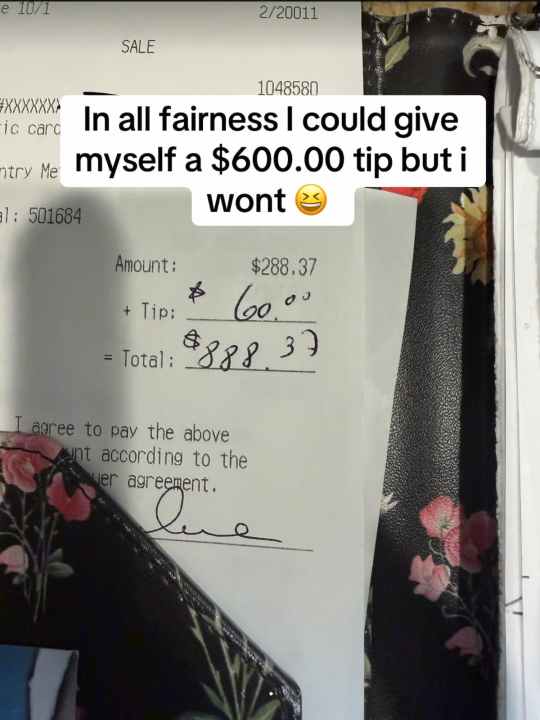
The scenario highlights a common point of confusion regarding whether a server should prioritize the tip line or the total line on a receipt. There is no universal rule, and the outcome typically comes down to individual restaurant policy. Some establishments honor the tip line by default, while others default to the higher total, and some look for whichever option benefits the customer when a clear discrepancy is present.
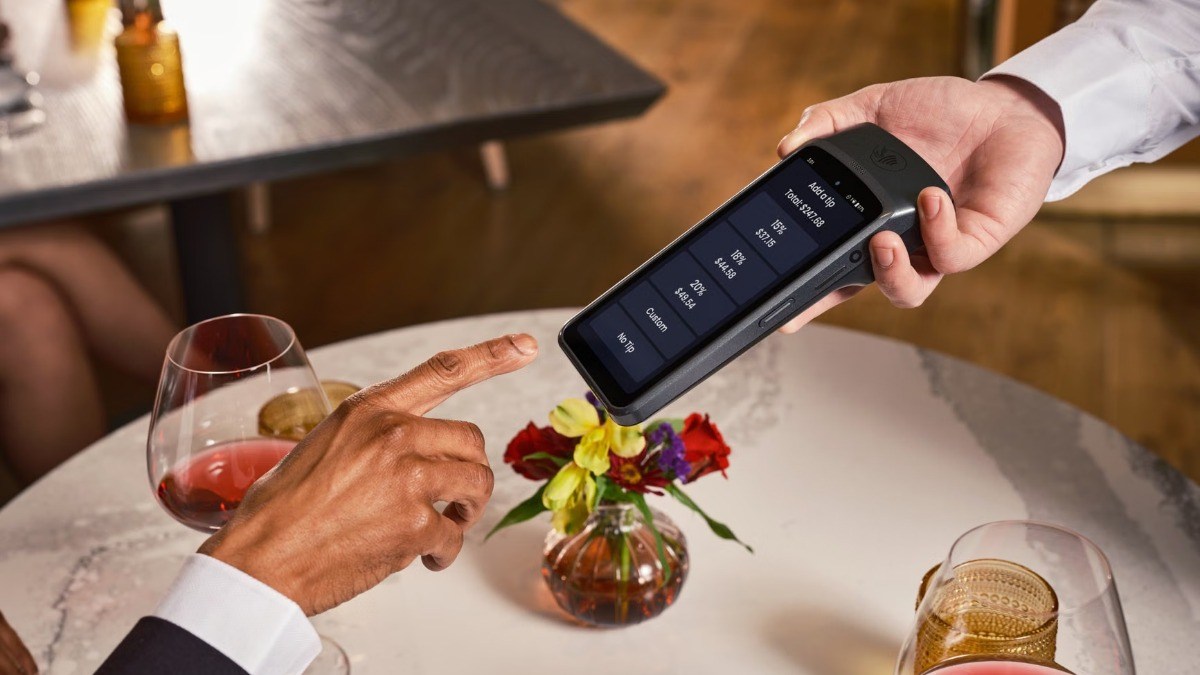
Tipping errors can be costly and often occur when customers are rushed or not paying close attention to the math after a meal. A single extra digit can lead to a charge that hits a bank account hours or days later, and the issue is not limited to card slips, since cash tips carry the same risk. Other situations tied to tipping mishaps have not always resolved smoothly, including one involving an Instacart tip dispute where groceries were left in the sun.
Servers generally recommend filling in every blank on a check rather than leaving lines empty, since gaps can be filled in by others later. Writing tip and total amounts clearly and double checking the math before signing can prevent most disputes before they start. When an error does occur, contacting the restaurant directly to explain the mistake is typically the first step, though if the math on the tip line is technically correct, many restaurants are within their rights to keep the funds even if a customer later tries to reverse the charge.
For a disputed charge on a credit card bill, the card issuer should be contacted directly to report the problem. According to the Consumer Financial Protection Bureau, cardholders have the right to send a written billing error notice to the card company within 60 calendar days of the charge first appearing on a statement. Once received, the company has 30 days to confirm the dispute before beginning its review.
Detailed records, including the dates of follow-up calls, help support a dispute throughout the process, and a charge can still be challenged even after it has already been paid, though any refund typically will not arrive until the investigation concludes. If the company determines the charge was made in error, it must be removed from the bill. If the company finds the charge accurate, it is required to explain the decision in writing and provide details on the amount owed and the payment due date.




Published: Jul 1, 2026 08:45 am