



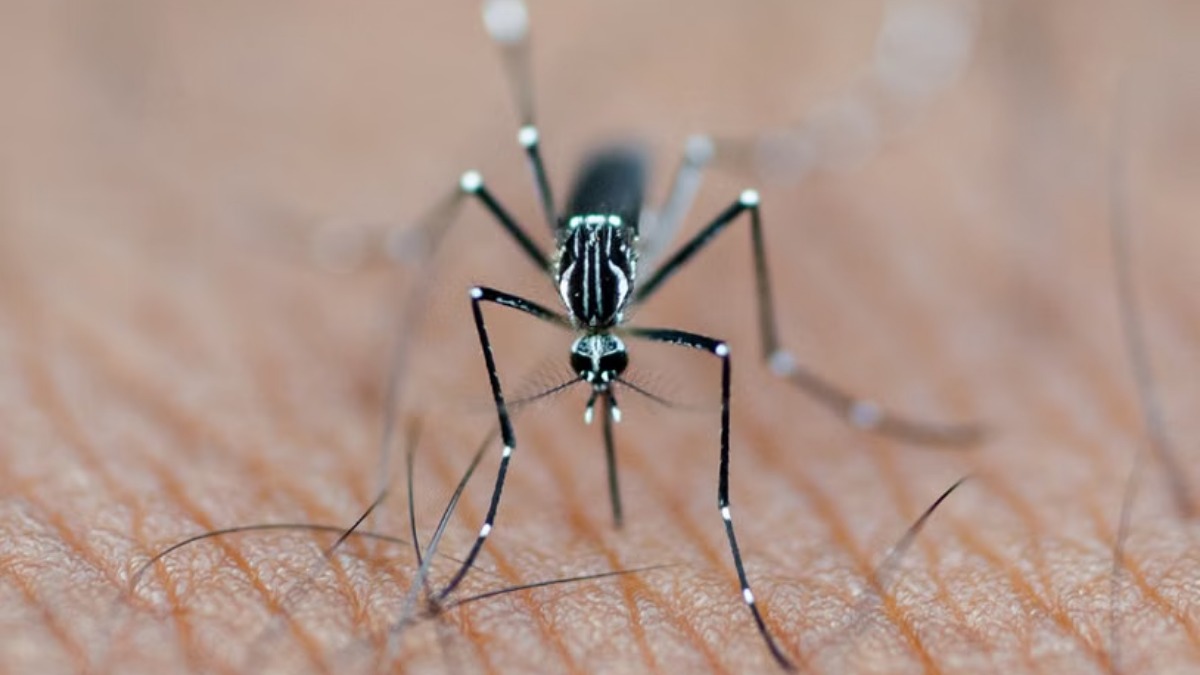

A dermatologist at the University of Pittsburgh has confirmed why scratching a bug bite almost always makes things worse, even though it feels good in the moment. Dr Daniel Kaplan led a study explaining that an itch is not just a simple nerve signal but a complex interaction between the nervous system and the immune system. His findings were detailed by UNILAD, which reported on the research after it stumbled upon far more than the team initially set out to study.
Kaplan and his team began by applying a rash-inducing irritant to the ears of mice. Mice bred with dulled itch sensing experienced only mild issues, but normal mice that scratched their irritated ears saw a swarm of inflammatory immune cells and noticeably more swelling.
Researchers then fitted a separate group of mice with cone collars, similar to the ones dogs wear after surgery, to physically stop them from scratching. Those mice experienced far less swelling and fewer inflammatory cells in the area, mirroring the results seen in the itch-dulled mice.
Scratching turns a brief itch into a much longer problem
Kaplan explained that a standard mosquito bite left alone will typically fade within five or 10 minutes for most people. The renewed attention around itch science comes amid a string of other viral everyday mishaps making the rounds recently, including one dog owner’s unexpected veterinary bill dispute after a routine appointment.
“But if you start scratching it, it’s your friend for a week,” Kaplan said. That shift happens because scratching activates mast cells, which release histamine, the chemical responsible for allergic reactions and persistent itching.
Once a person starts scratching until it hurts, pain sensing nerve cells release a chemical messenger called substance P. That messenger further stimulates the mast cells, intensifying the inflammatory response and prolonging the irritation.
Not all of the findings painted scratching as purely negative. When researchers infected the skin of mice with Staphylococcus aureus bacteria, the mice that scratched less actually had more bacteria present in their skin 24 hours later than those that scratched more.
That result suggests scratching may have evolved as a defense mechanism against skin infections, even though it worsens allergic inflammation tied to something like a mosquito bite. It is a similar kind of odd tradeoff seen elsewhere lately, including a viral McNuggets eating challenge where short term satisfaction came with a longer term cost.
The research team believes the discovery could eventually lead to new treatments for chronic conditions like eczema and dermatitis. Targeting mast cells or the specific neurons that trigger their activation may offer a way to interrupt the itch and scratch cycle for good.
For now, Kaplan’s advice remains simple even if it is hard to follow in practice. “Ultimately, scratching is deleterious,” he said. “You should avoid scratching.”








Published: Jul 2, 2026 06:00 am