



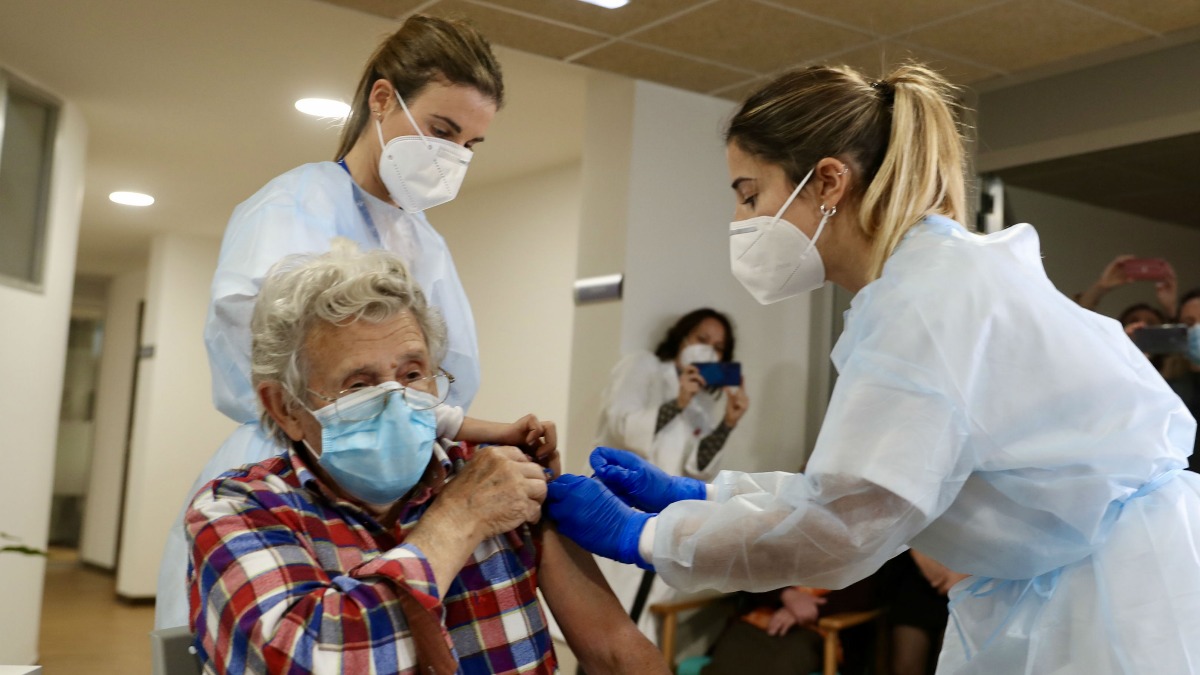

CBS Face the Nation host Margaret Brennan had a tense exchange with acting CDC Director Dr. Jay Bhattacharya on Sunday over vaccine misinformation and public trust in health agencies. The conversation grew heated as both sides talked over each other during parts of the interview.
According to Mediaite, Brennan began by asking Bhattacharya about the shooting at CDC headquarters in Atlanta last August, which killed police officer David Rose. She noted that Rose was a combat veteran and Marine who had graduated from the police academy five months before he died, and that he left behind three children.
Brennan said the shooter was driven by misinformation about the COVID vaccine and asked whether enough was being done to fight that kind of misinformation. Bhattacharya did not directly answer at first, saying he did not want to put focus on the shooter.
Exchange turns to blame over public trust in health agencies
Brennan pointed out that the shooter’s father had said his son was “brainwashed” about the COVID vaccine and believed it was making him suicidal. Bhattacharya responded by saying the loss of public trust in health agencies came in part from how the COVID pandemic was covered by media outlets.
Brennan pushed back, saying CBS had covered COVID “in depth” on the program more than other Sunday shows. Bhattacharya said he was not blaming her specifically, but argued that decisions made during the pandemic caused many people to lose trust in public health.
When Brennan noted that the pandemic began under the Trump administration, and that CBS had featured those officials on air, Bhattacharya brought up the Biden administration, saying it had censored him and others who disagreed with official messaging on whether the COVID vaccine stopped transmission.
Brennan then referenced comments made by Health and Human Services Secretary Robert F. Kennedy Jr., who has called the COVID vaccine the “deadliest vaccine ever made.”
Kennedy’s handling of health policy has drawn criticism from other Republicans as well, including Mike Pence’s call for Kennedy’s resignation over an unrelated dispute involving the abortion pill mifepristone. Brennan said, “That is misinformation, and we’re not being clear about that. And I think that is dangerous. Wouldn’t you agree?”
The two continued to speak over one another, with Bhattacharya saying people lost their jobs because the Biden administration would not let them discuss possible vaccine harms. Brennan said she was asking about the shooting specifically, while Bhattacharya said the distrust in public health was not caused by President Trump or Kennedy, but by broader government actions during the pandemic, including school closures and mask mandates.
Bhattacharya also accused Brennan of trying to blame the shooting on Kennedy. Brennan denied this, saying she was only repeating what the shooter’s father had said and was asking about Bhattacharya’s visit to Atlanta and what is being done to restore public trust.
Kennedy has also faced scrutiny over his handling of vaccine funding, after holding up money for a global vaccine program earlier this year before the State Department stepped in.
Brennan then shifted to reports from The Washington Post and Bloomberg that the White House is preparing an executive order connecting vaccines and autism. She asked what the order would say and why it would focus on that link specifically, given that Bhattacharya is leading research into multiple possible causes of autism.
Bhattacharya said he would need to ask President Trump about the specific details of the executive order, since he said it was not yet finished. When Brennan asked directly whether he thought the order would help restore trust in vaccines, Bhattacharya did not give a direct answer and instead said the president and Kennedy “care deeply” about the rise in autism cases.
Bhattacharya said that as NIH director, he authorized the Autism Data Science Initiative last year, which funds more than a dozen scientific teams studying possible causes of autism. He said early results from that research are expected within a few weeks and that the initiative looks at genetics, environmental exposures, and how different factors might interact. He said he does not currently know why autism rates have risen.


Published: Aug 10, 2026 09:00 am