



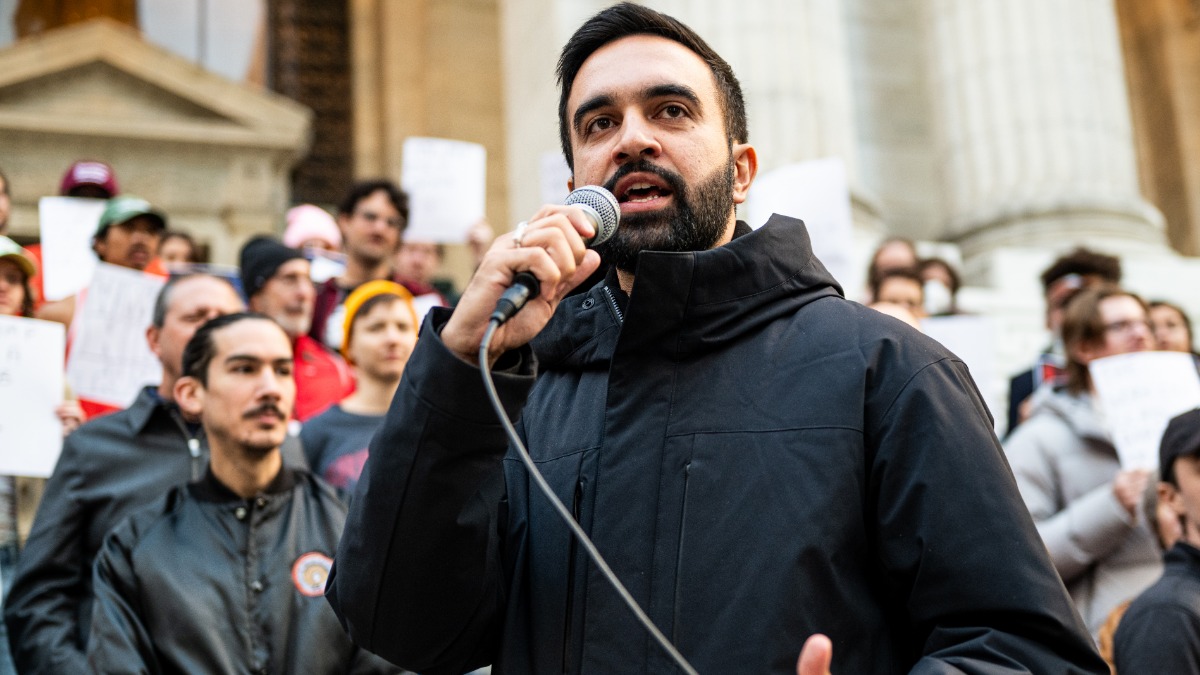

A judge in Staten Island, New York, has temporarily blocked Mayor Zohran Mamdani from moving forward with his plan to tax luxury second homes, The Hill reported. This legal hurdle comes just as the administration was ramping up efforts to collect revenue from properties valued at more than $5 million.
The ruling, issued by Judge Wayne Ozzi of the state Supreme Court, forces the city to remove a public list containing information on more than 900,000 homes that could potentially be subject to the tax. It also stops the city from taking any further action based on the letters sent to approximately 17,000 property owners regarding the new pied-à-terre tax. If you have been following the city budget situation, you know this is a significant disruption to the mayor’s fiscal strategy.
This roadblock stems from a lawsuit filed by a group of homeowners against the Mamdani administration. It is worth noting that Randy Mastro, who served as the first deputy mayor under former Mayor Eric Adams, is reportedly representing the plaintiffs in this case. The legal battle is heating up quickly, as the city filed court papers on Monday evening to appeal the decision.
This appeal effectively blocks Judge Ozzi’s order from taking effect until a higher court reviews the situation
Mayor Mamdani originally teamed up with Governor Kathy Hochul in April to propose this tax, arguing that it would help narrow the city’s budget deficit. Back in May, the mayor announced he had successfully balanced the city’s $12 billion budget gap by utilizing state support and various savings, all while avoiding an increase in general property taxes. The proposed tax functions as an annual surcharge on condos, co-ops, and one- to three-family homes owned by people who maintain a separate primary residence.
There is some debate regarding the financial impact of this plan. While the mayor and the governor project that the tax will generate $500 million in annual revenue, an analysis of a similar proposal conducted by the independent budget office in 2019 suggested a much lower figure of $232 million.
When the city sent out notification letters to property owners last month, Mayor Mamdani emphasized the need for long-term solutions to address fiscal challenges. In a press release issued at the time, he stated, “Today is the first step in implementing this tax and collecting critical revenue to fund our parks, schools and libraries.” He further added, “We will diligently implement this law and ensure that we collect what working New Yorkers — and this city — deserve.”
For now, the policy remains in a state of limbo while the appeal moves through the court system.








Published: Aug 11, 2026 04:15 pm