





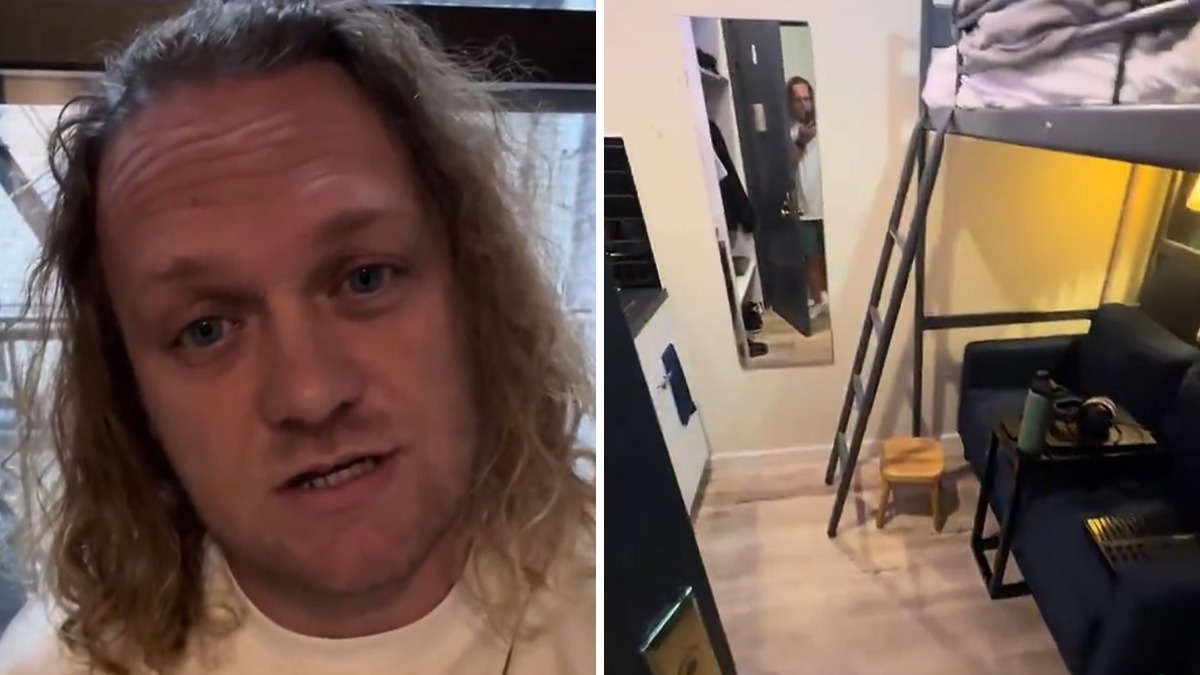
A California content creator recently shared an emotional video detailing his experience at the Adelanto ICE Processing Center, where he claimed that detainees are being transferred away from their loved ones. As reported by The Nerd Stash, the creator, known as Ed, recorded the video while driving away from the facility, and he struggled to contain his emotions as he described the situation inside.
He told his viewers that he felt overwhelmed by the scale of the crisis, noting that there are over 2,000 people currently held at the location. According to Ed, the facility recently processed 67 new arrivals, which forced staff to make room for them. Ed alleged that immigration officials are intentionally transferring detainees to different states to create distance between them and their families. He argued that this is a deliberate tactic to break the spirits of those held at the center.
He stated that the mental health of many detainees is deteriorating rapidly because they lack the ability to see friends or family members. He explained that the visitation process is designed to be difficult and time-consuming, mentioning that meeting with a detainee takes an hour, and he described the entire experience as an attempt to waste the time of those trying to provide support. He finished his message with a direct plea for help, emphasizing that he cannot address these issues on his own.
What the federal court actually ordered
In the caption of his post, Ed clarified that while he was personally fine, the people inside the detention center are in a state of crisis. He wrote that he refused to stand by and feel helpless any longer. His video has since gained significant traction on TikTok and Reddit, sparking a wider conversation about the conditions within immigration detention centers. A similar case drew attention when an Arizona warehouse manager allegedly blocked workers from leaving after an ICE tip.
This public outcry arrives just weeks after U.S. District Judge Sunshine Suzanne Sykes issued a preliminary injunction requiring major reforms at the Adelanto facility. In her ruling, Judge Sykes found that the detainees who brought the lawsuit were likely to succeed on their claims that conditions at the site violate Fifth Amendment protections against inhumane treatment.
The court order mandates that the facility provide 24-hour access to clean drinking water, sufficient meals, and free hygiene products. It also requires that the facility be cleaned daily and that mold be removed. Additionally, the judge ordered that detainees be given at least four hours of outdoor recreation time every day and that family visitation during business hours cannot be restricted in terms of physical contact like hugging or holding hands.
The lawsuit, which was filed by groups including Public Counsel and the Immigrant Defenders Law Center, provided a detailed account of life inside the facility. The plaintiffs described a pattern of systematic neglect, including instances where individuals with serious medical conditions went weeks without medication or care.
They also reported that the food served was often rotten and that the drinking water was dirty. The court has now appointed two independent monitors to perform unannounced inspections and oversee compliance with these new requirements for the duration of the lawsuit. Detainees have also been given access to a confidential grievance system that allows them to report issues directly to these monitors.
The Department of Homeland Security and the private operator, GEO Group, have disputed the claims regarding inadequate conditions. A spokesperson for the Department of Homeland Security stated that detainees are provided with proper meals, medical care, and opportunities to communicate with their families and legal counsel. Attorneys for the federal government also argued that they should not be held liable for the daily management of a private contractor like GEO Group.
Despite these arguments, the court’s order remains in effect, and the government has been given 14 days to create a plan to address medical care and disability accommodations.








Published: Aug 18, 2026 04:15 pm