



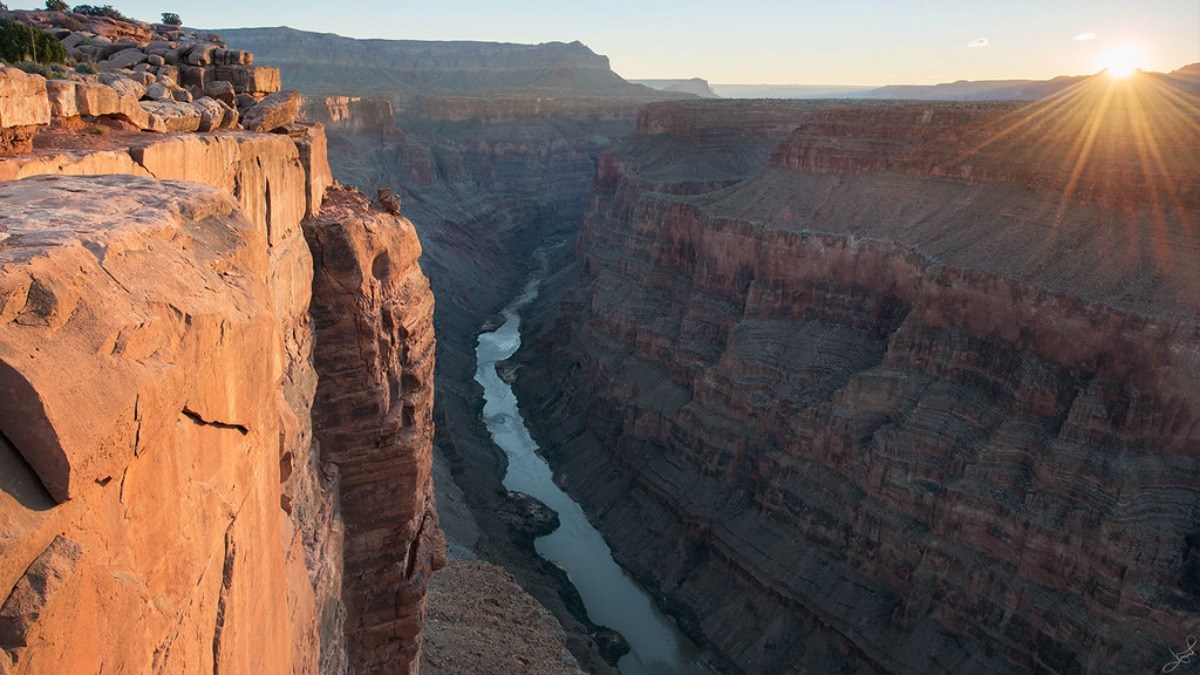

Rescue crews are currently searching for more than a dozen missing people after a major flash flood tore through the Grand Canyon. At least two bodies have been recovered since the disaster began on Saturday, and officials are warning that the danger is far from over as heavy rain continues to shroud the canyon walls, the Associated Press reported.
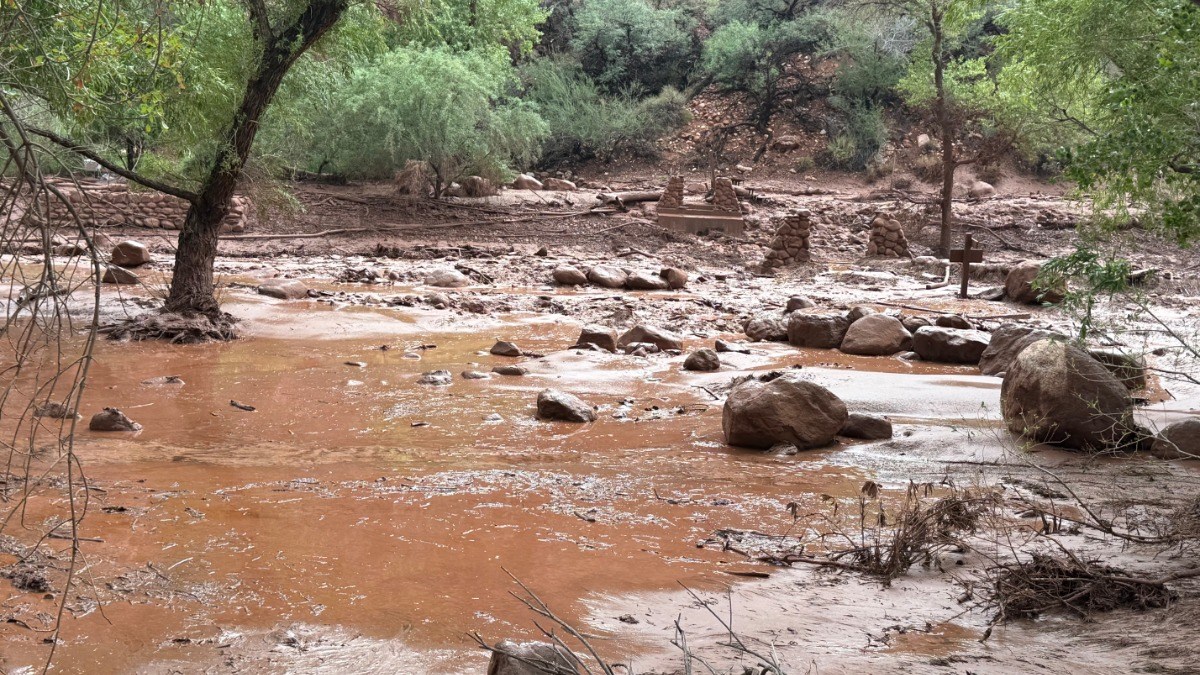
The situation is particularly dire near the Bright Angel Creek area, a popular spot for hikers traveling between the rims of the canyon. The impact of the flooding has been massive, forcing scores of visitors to evacuate by helicopter. Those who witnessed the event described a terrifying scene, with rangers issuing warnings about potential rockslides while huge pools of logs and debris surged down the river.
Hiker Daniel Evans shared his experience of the ordeal, noting that several rounds of rain preceded the most intense 30-minute downpour on Saturday afternoon. Despite initial assessments from rangers that the area was safe, the situation deteriorated rapidly. Evans described the anxiety of the moment, stating, “The entire time it was raining — the entire time I’m going through all this and packing — I’m just keeping my eyes upstream, just praying that a wall of water isn’t coming toward us.”
The recovery efforts are ongoing
The National Park Service confirmed the discovery of a 46-year-old man’s body near Crystal Rapids on Sunday evening. A second body was located by Monday, though officials have provided few details regarding the identity of those lost. The state Department of Emergency and Military Affairs is now working closely with park service and county officials to continue the search for the more than a dozen individuals still missing.
This disaster is a stark reminder of the risks associated with the monsoon season in the desert. The steep, rocky terrain of the canyon acts like a funnel, causing water to move with incredible speed and power. The situation is further complicated by the presence of the Dragon Bravo fire scar, a burn area from a July 2025 wildfire. Because the vegetation in that area was destroyed, the ground is unable to absorb runoff, allowing floodwaters to move even faster through the landscape.
Climate experts have pointed to broader weather patterns as a driver for the intensity of these storms. A. Park Williams, a hydroclimatologist at the University of California, Los Angeles, explained that a strong El Niño has increased water vapor in the atmosphere, leading to more aggressive rainfall. Additionally, research from Daniel Swain of the California Institute for Water Resources suggests that intense summer downpours in the West have become 10% stronger since 2000.
Beyond the immediate human toll, the flood has caused significant infrastructure damage. The only water pipeline serving the canyon was severely impacted, dealing a major blow to a $208 million rehabilitation project that began in 2023. Officials have implemented emergency water restrictions for year-round residents and have barred tourists from staying at lodges and hotels within Grand Canyon National Park. While the South Rim does have large storage tanks for potable water, those supplies cannot be replenished while the pipeline remains out of service.
Forecasters warned on Monday that more flooding remains a possibility as storms continue to pop up across the region.






Published: Aug 31, 2026 04:45 pm