



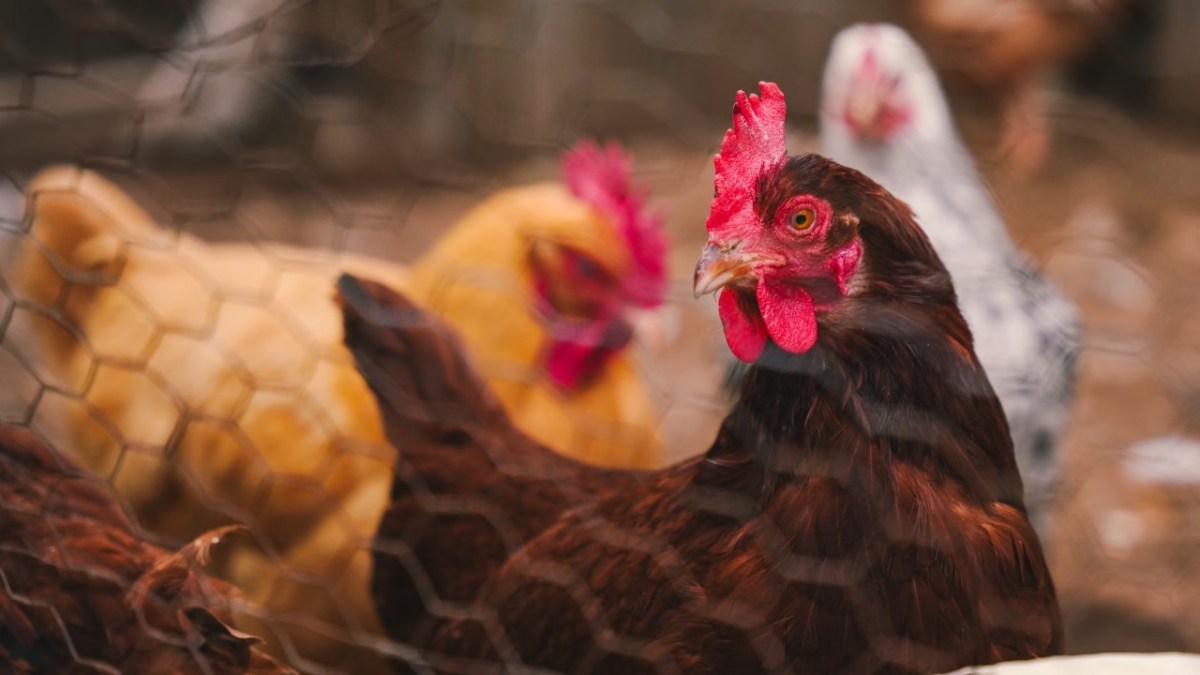

A viral TikTok video featuring raw chicken purchased directly from a family farm is sparking conversation about what people actually expect their food to look like. As detailed by BroBible, a creator known as @willowsage shared a video that has drawn millions of views, showing a bowl containing two raw chicken breasts she bought from P&K Family Farms.
In the video, she tells her audience the chicken came from a small family farm and points out that it looks very different from what is found in stores. The farm-fresh chicken breasts appear noticeably smaller and possess a deeper pink hue than the uniform cuts typically found in grocery store aisles. The visual difference caught many viewers off guard, with some questioning whether the meat looked normal at all.
Commenters had mixed reactions, with some joking about the meat’s appearance and others admitting they had grown used to the paler look of store-bought chicken without realizing it was not the standard. The reaction reflects a broader trend of consumers growing more skeptical of their food, and according to the 2026 U.S. Recall Index, USDA food recalls reached an 11-year high this year, with 67.57 million pounds of food recalled, a 239 percent increase from 2024.
The science behind why farm chicken looks different
The reddish or pinkish tones in raw poultry are primarily caused by pigments in the muscle, specifically myoglobin and hemoglobin. Myoglobin concentration can vary significantly based on an animal’s age, sex, diet, and activity level, and chickens raised in free-range environments often develop a darker or redder appearance than conventionally raised birds.
A pale color does not automatically mean grocery store chicken is unsafe, just as a darker color does not mean farm-fresh meat has spoiled. According to the USDA Food Safety and Inspection Service, more reliable signs of spoilage include an unpleasant odor, a slimy or strange texture, or an abnormal grayish discoloration rather than color alone.
Raw poultry can naturally range from bluish white to yellow depending on a bird’s breed, age, and diet, and younger poultry often has less fat under the skin, which can create a bluish cast. Even after cooking, chicken can vary in color from white to pink to tan, since chemicals in oven gases can react with hemoglobin to create a pink tinge, especially in younger birds with thinner skin. Because color is not a reliable indicator of doneness, food safety experts recommend always using a thermometer to confirm poultry has reached an internal temperature of 165 degrees Fahrenheit.
The viral moment has prompted more people to compare notes on how industrial versus small farm production affects what ends up on their plate, alongside a separate wave of stories this week involving JD Vance’s comments on the 2026 midterms. Shoppers looking to compare are advised to check for off odors and unusual texture rather than judging safety by color alone.





Published: Sep 17, 2026 03:00 pm