



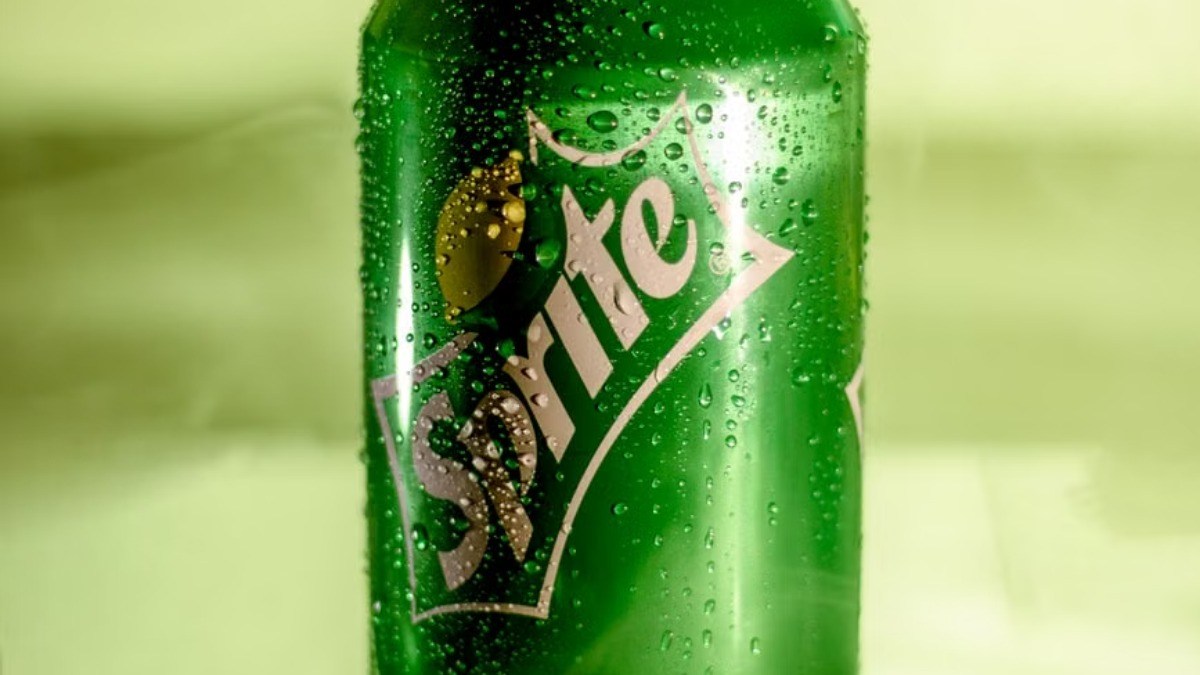

A photo shared on Reddit by user u/Dramatic-Question353 shows a 12-pack of Sprite Tropical Mix priced at $12.99, with a promotional price of $4.99 listed just underneath it. As reported by Daily Dot, the photo was captured at a store in North San Diego, California, and according to the original poster, reaching the lower price requires buying five 12-packs, creating an account on the store’s app, and manually adding a coupon before checkout.
The gap between the $12.99 shelf price and the $4.99 promotional price drew widespread reaction after the photo circulated online. One Redditor summed up the frustration by asking why retailers are now insisting on a minimum purchase of four to five cases if consumers are supposed to get the reasonable price. Several commenters also pointed out the practical issue of storing five 12-packs of soda, along with the difficulty of transporting that much product without a car.
Some shoppers said the bulk requirement discourages them from buying in the first place, since having that much soda on hand makes it easier to drink more than intended. Others focused on the app requirement itself, noting that anyone without a smartphone or comfort navigating a store’s app is effectively stuck paying the higher price.
Consumer advocates have been raising this exact issue for years
The digital requirement adds a separate layer to the debate, since it can shut out shoppers who don’t have reliable access to a smartphone or app. In November 2022, a coalition of advocacy groups including Consumer Reports and the National Consumers League sent a letter to major chains like Kroger and Albertsons addressing what they described as digital discrimination, citing research that found one in four shoppers lacks the technical skills to navigate store apps, a concern that surfaced the same week as unrelated reports of AI agents acting without oversight online.
Data from the Pew Research Center cited in the letter found that nearly 40 percent of seniors do not have smartphones, and 43 percent of households earning less than $30,000 a year lack internet access. Edgar Dworsky, founder of Consumer World, said the practice amounts to digital discrimination, adding that vulnerable shoppers are being shut out of online discounts during a period of high inflation, according to Money.
Some commenters on the Sprite post described the structure as a form of price discrimination, arguing that requiring bulk purchases or app downloads targets price-sensitive customers while collecting full profit from everyone else, a debate playing out the same week a volcano stranded thousands of travelers abroad in an unrelated story. Others recalled seeing bulk soda deals as far back as 2004 or 2009, though many said the scale and digital barriers involved today feel more restrictive than earlier versions of the promotion.
Some retailers have begun offering physical store coupons that match digital deals, along with in-store kiosks that let shoppers load discounts onto a store card without needing an app, while others use barcoded coupons in weekly circulars as an alternative.







Published: Sep 10, 2026 04:00 pm