



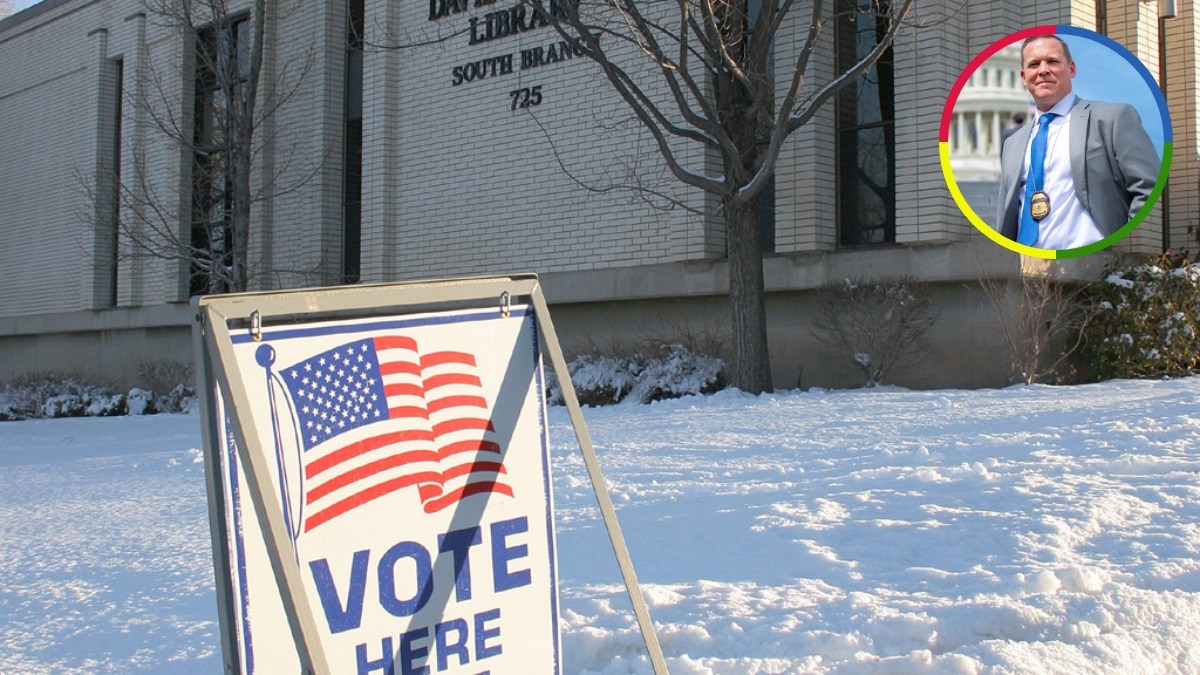

A new lawsuit is challenging the Trump administration over the possibility of armed ICE agents appearing at polling places. Per WashingtonPost, the plaintiffs argue that federal law bars armed federal personnel from being deployed where elections are taking place.
The case was brought by civil rights groups and Denver officials. They say the presence of armed immigration officers could intimidate voters and interfere with the election process.
The dispute follows comments from Homeland Security Secretary Markwayne Mullin. He said ICE agents could respond at polling places to threats or serve warrants, raising questions about how federal immigration enforcement could intersect with voting.
The law behind the lawsuit dates back to the Civil War
The lawsuit centers on a federal statute that restricts the use of troops or armed men at places where elections are being held. The law includes a narrow exception involving armed enemies of the United States.
The plaintiffs argue that ICE agents could fall under the statute’s restrictions. They want a federal judge to prevent the administration from deploying armed federal officers to polling locations for immigration enforcement.
A report by ColoradoSun says that the statute has not been tested in court in this specific situation. This leaves uncertainty over how broadly its restrictions apply to federal immigration officers.
The plaintiffs also argue that armed agents could create fear among voters. They say the impact could be especially significant for Latino voters and naturalized citizens who may already be concerned about immigration enforcement.
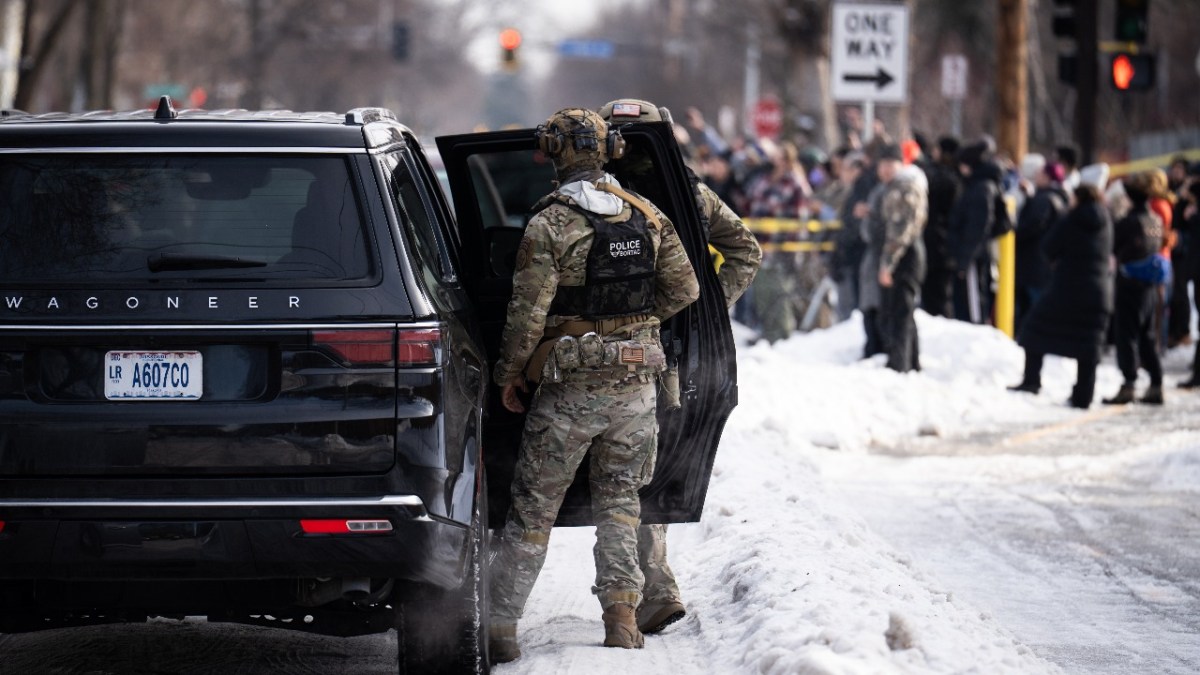
The administration has pushed back on the idea that it plans to conduct immigration operations at polling places. Officials have said agents could still respond to an active threat or pursue someone they are already seeking.
That distinction could become crucial as the lawsuit moves forward. The court may ultimately have to decide where legitimate federal law enforcement ends and prohibited interference with an election begins.







Published: Sep 13, 2026 08:30 am