



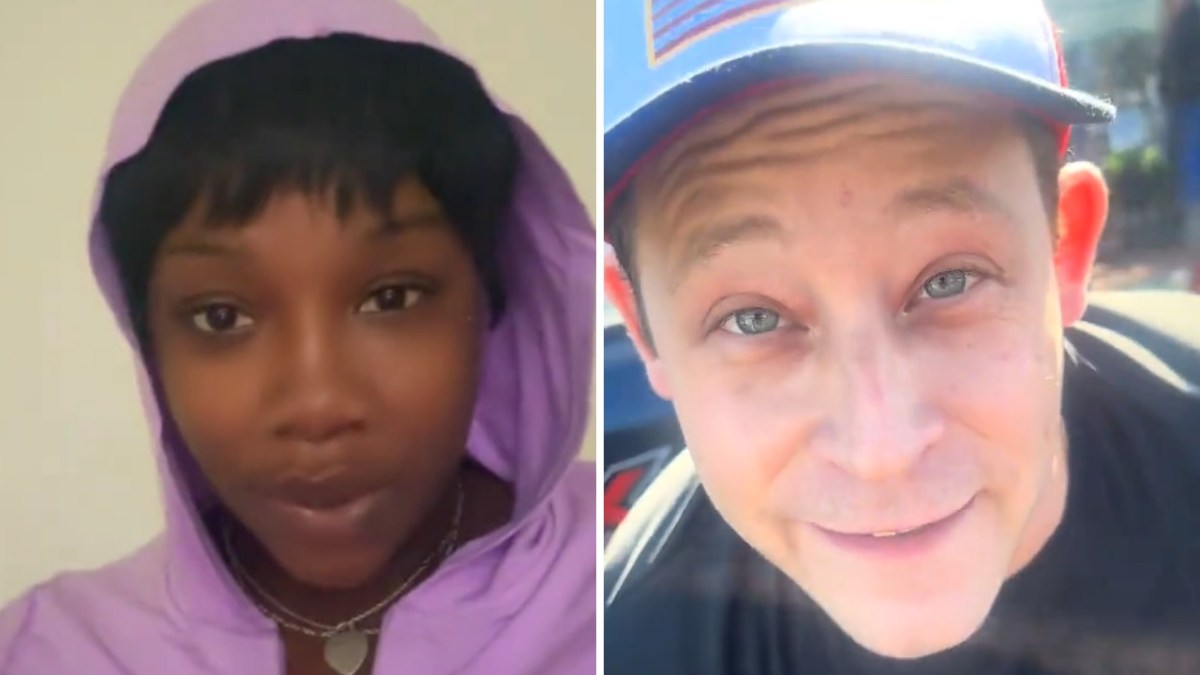

A group of friends was chased down the street by a business owner in Miamitown, Ohio, over an unpaid tip following their meal at Ari and Mia’s Small Town Cafe. The owner, who identified himself as Phil, walked up to the group and told them they were no longer welcome at the establishment.
The interaction was caught on video and shared on TikTok by creator @nuu4175, where it has racked up over 2 million views, and the story gained further traction when reported by BroBible. In a follow-up post, the creator alleged that the owner had a history of being rude to Black customers, a claim that has not been independently verified.
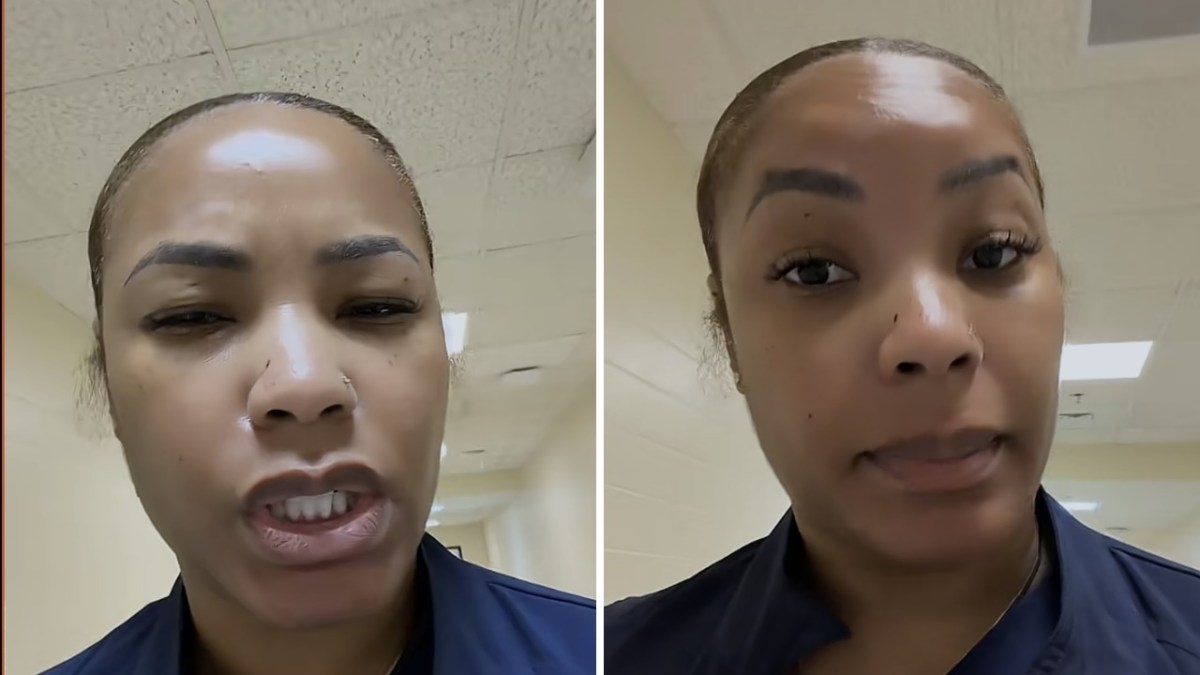
The creator also questioned the owner’s reasoning by showing her receipt on camera, which she argued indicated that money had already been taken out. In her caption, she wrote that the man “chased us from across the street” and left her “literally shaken and scared.” She added that she had a panic attack over the encounter, despite enjoying her food.
Not everyone thinks the owner crossed a line
The incident has fueled the ongoing argument about American tipping culture. Some viewers believe the owner’s reaction was justified, arguing that a tip should always be part of the budget at a full-service restaurant. “If you can’t tip don’t sit!” one user commented.
Others questioned the owner’s professional boundaries. “Who chases a customer out of restaurant to [ask] for a tip?” user @elle asked. The exchange reflects a broader tension over whether tipping is a reward for good service or an expected part of dining out.
Many people outside the U.S. find the American tipping system confusing, as they are used to service being included in the bill or tips being reserved for exceptional work. Research shows that 92% of Americans who dine at sit-down restaurants usually leave a tip.
That does not mean diners are happy about the pressure. In 2025, 63% of Americans reported having at least one negative view about tipping, with 41% saying the culture has gotten out of control, according to a Bankrate survey.
Critics argue that businesses should pay employees a fair wage instead of leaving customers to fill that gap. One commenter questioned why diners are told not to eat out if they cannot tip, while owners are not told “to not open up a restaurant if they can’t afford to pay their employees.” Tipping prompts have also drawn attention online amid a viral post about a Texas Roadhouse tablet’s suggested tip.
Wages in Ohio have also shifted. According to the Ohio Department of Commerce, as reported by WTAP, the state minimum wage increased by 2.8% on January 1, 2026, bringing the rate to $11 per hour for non-tipped employees and $5.50 for tipped employees. The adjustment is part of a mandate passed by voters in 2006 that ties the minimum wage to the Consumer Price Index.
Some restaurants are already moving away from the tipping model. La Cigale in San Francisco has built higher wages directly into its menu prices so staff do not have to rely on the “generosity of strangers” to pay their bills. Rachel Miller, who owns Nightshade Noodle Bar, moved to a tip-free model to address pay disparities between kitchen and front-of-house staff.
The creator’s allegations about the owner’s treatment of Black customers shifted part of the conversation away from the tip itself. A commenter who claimed to have visited the restaurant also alleged that Phil had used a slur toward him. These claims have not been independently established.
Phil has not publicly responded to the allegations. Attack of the Fanboy was unable to independently verify Phil’s side of the story, as the account originates solely from the creator’s TikTok posts.



Published: Oct 7, 2026 07:00 pm