



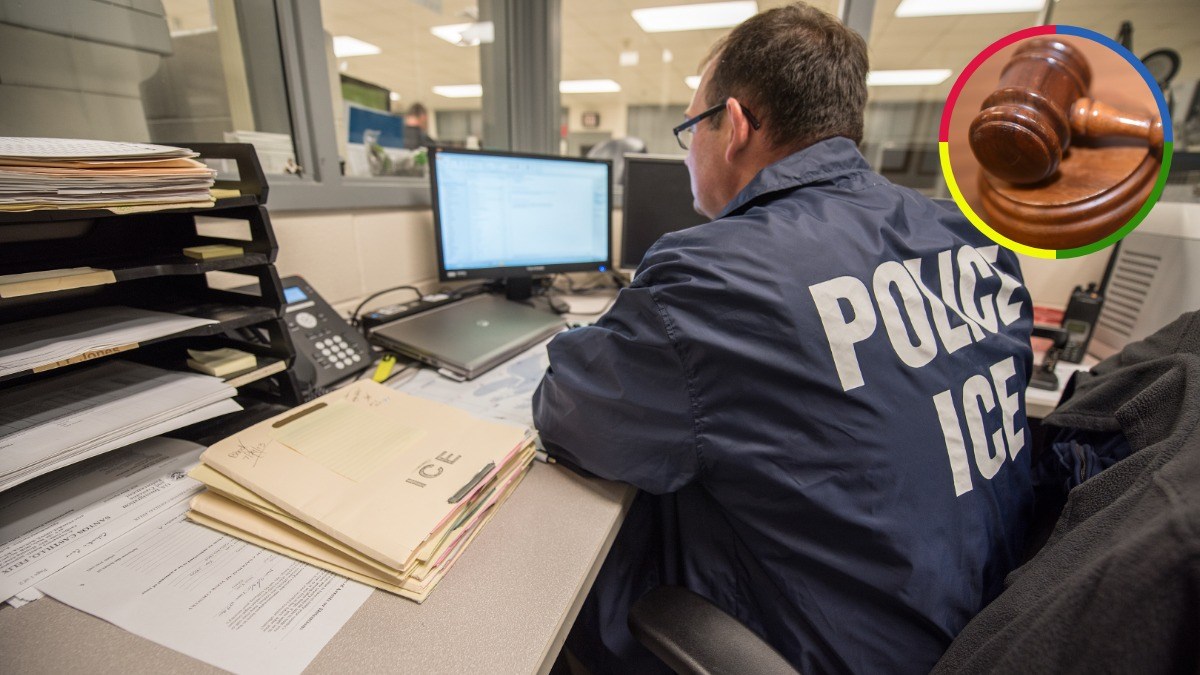

A federal judge has temporarily blocked construction of a proposed Immigration and Customs Enforcement facility near Gilroy. This gave opponents of the project a major legal victory.
The order prevents the federal government from breaking ground at the proposed site near the Gilroy Premium Outlets. The ruling follows a legal challenge from California Attorney General Rob Bonta and Santa Clara County. They argued that the proposed facility violated multiple environmental and immigration laws. According to ABC7, the dispute centers on plans for a 24-acre site east of the shopping center.
The project has also drawn strong opposition from people in the surrounding community. Residents have raised concerns about the facility’s proximity to the Gilroy Unified School District. Local officials and community members have also questioned the potential impact on the area.
The fight for construction is far from over
The judge’s order temporarily stops construction while the legal challenge moves forward. That means crews cannot begin work at the proposed site while the court considers the arguments brought by California and Santa Clara County.
Bonta welcomed the ruling, arguing that the federal government still has to follow the law when developing the facility. “No one is above the law – not even the federal government,” Bonta said in a statement.
The attorney general also accused the Trump administration of attempting to move the project forward without sufficient public scrutiny. In a report by NBC, Bonta said the administration “tried to rush construction of this facility in secret,” while arguing that it ignored environmental safeguards and excluded communities that could be affected by the project.
The lawsuit has focused in part on the project’s environmental review process. California and Santa Clara County argue that the federal government did not properly follow environmental requirements before moving toward construction. They have also raised concerns about the proposed facility’s potential impact on local infrastructure.
For residents who have spent months pushing back against the project, the injunction provides a significant reprieve. Instead of watching construction begin immediately, opponents now have additional time to make their case in federal court.
However, the ruling does not permanently cancel the proposed facility. The preliminary injunction only pauses construction while the broader lawsuit continues, meaning the federal government could still move forward if the legal challenges ultimately fail.
For now, the project’s future remains tied to the court battle. The parties are due back in court by September 30 to negotiate the exact scope of the pause, but the broader lawsuit itself remains unresolved, leaving the proposed ICE facility in limbo for the foreseeable future.







Published: Sep 13, 2026 12:45 pm