



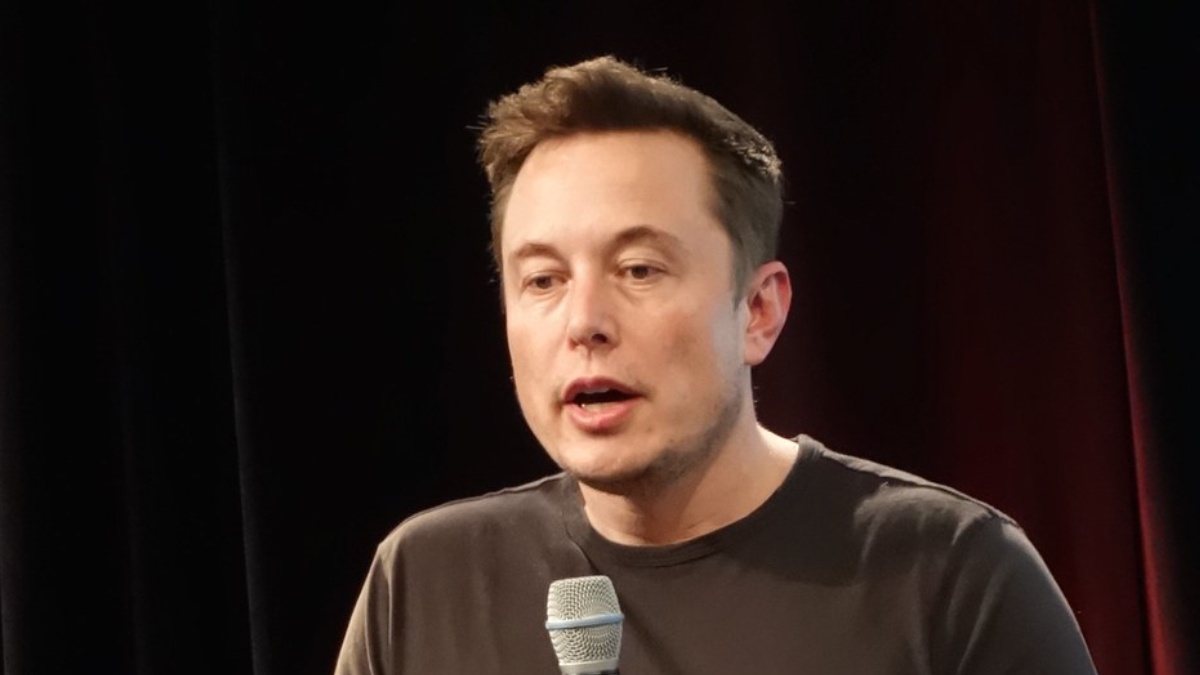

A jury in San Francisco has found that Elon Musk misled investors during his acquisition of X, then known as Twitter, in 2022. The federal civil trial verdict, delivered Friday, sided with former Twitter investors who claimed Musk’s actions defrauded them, and could leave him on the hook for a significant payout.
The incident came to light through Engadget, with jurors calculating that shareholders should receive between approximately $3 and $8 per stock per day. The exact damages total has not yet been determined, but reports suggest it could run into the billions given the volume of shares involved.
The class action lawsuit, one of several brought against Musk following his $44 billion takeover, focused on his public statements regarding fake accounts on the platform. Investors alleged Musk made those statements deliberately to drive down Twitter’s share price, either to renegotiate the deal at a lower figure or exit it entirely, particularly as Tesla’s stock was falling around the time he had agreed to buy Twitter at $54.20 a share.
The May 2022 tweet was central to the jury’s finding
A key piece of evidence was Musk’s May 13, 2022, tweet stating the Twitter deal was “temporarily on hold” due to the volume of fake accounts and bots on the platform. Days later he suggested fake accounts could exceed 20% of users, after which Twitter’s stock dropped sharply.
During the trial, Musk defended his posts as simply “speaking his mind,” a defense that drew attention amid broader public debate over whether prominent figures bear responsibility for their public statements. He also maintained that Twitter executives had “lied” about the actual bot count.
Former shareholders argued they were forced to sell at deflated prices due to the uncertainty Musk created around the deal. The jury agreed with investors on the core allegation of misleading conduct, though it sided with Musk on certain other claims brought in the suit.
This was not the only legal dispute to emerge from the acquisition. Musk faced additional shareholder actions related to his delay in disclosing his stake in the company, a suit from former executives over unpaid severance benefits that he later settled, and narrowly avoided a separate trial over his attempts to back out of the deal before ultimately closing it.
Several of those cases, much like a 160-year-old murder case that recently reached resolution through unexpected means, took years of accumulated evidence before any conclusion was reached.




Published: Mar 21, 2026 07:30 am