



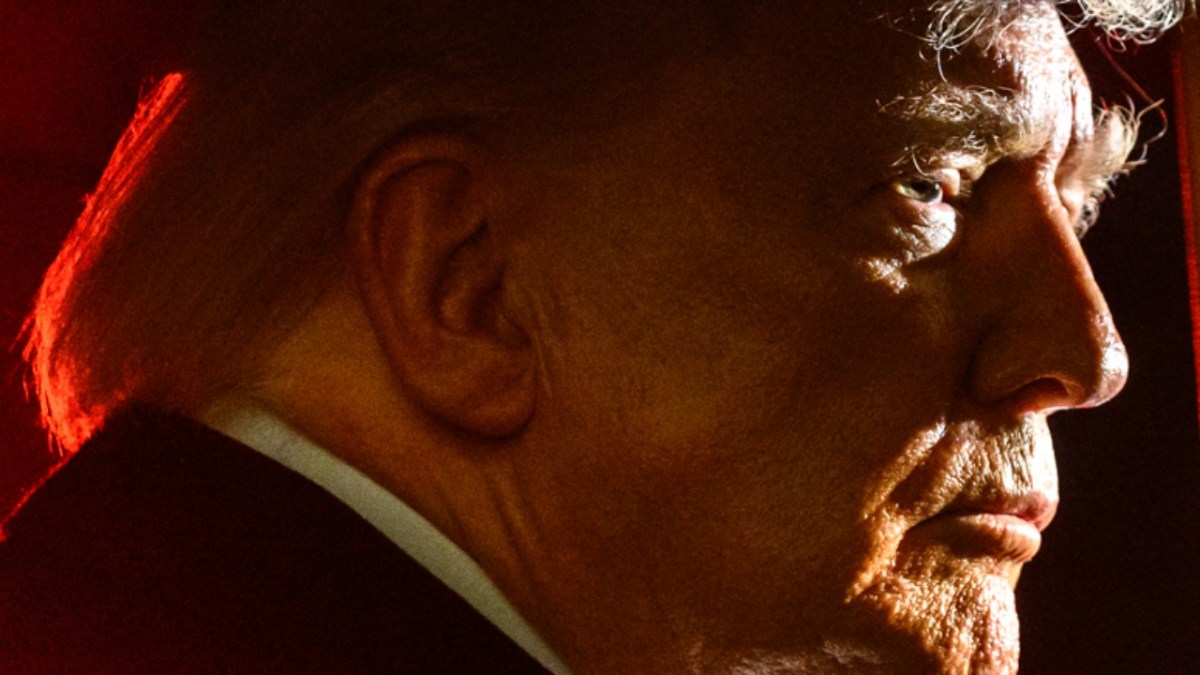

Donald Trump spent Saturday in Vandalia, Ohio, campaigning for Republicans and telling the crowd the November 3 midterms will not play out the way Democrats expect. According to Al Jazeera, the president said he believes there will be a “big surprise,” and he claimed his opponents do not know what is happening.
Polling has pointed to possible Democratic gains. Trump rejected that reading and said his party would outperform what critics are predicting. Standing with U.S. Senator Jon Husted, gubernatorial candidate Vivek Ramaswamy, and other Republicans, he told supporters, “Just get out and vote.”
He tied that turnout call directly to the result he expects. “If you do that, we’re going to win, and we’re going to win big,” he said. The rally was another stop in his push to keep Republican voters from sitting out a midterm year.
Prices, trade friction, and data centers hang over Ohio’s Senate fight
Republican senators seeking reelection in several states are running into a harder political climate. Trump’s standing has slipped in recent months while gasoline and other staple prices have stayed high during the U.S.-Israel war on Iran.
Ohio is one of the closest contests. Husted is running against Democrat Sherrod Brown, and he is counting on the president to pull in voters who often skip midterms. That gap between his 2024 strength and his standing now is exactly what he is up against, as he heads into the midterms with incredibly low approval ratings while predicting Republicans will overperform.
Trump took more than 55 percent of the state’s vote in the 2024 presidential election. Since then, economic worries have pulled his approval ratings down.
The price of gasoline in Ohio is up 35 percent from a year ago, to an average of $4.16 a gallon, the American Automobile Association said. The group tracks automobile travel costs. Separate trade fallout is also in the mix: Canadian broadcaster CBC reported that retaliatory Canadian tariffs, tied to Trump’s trade policy with Canada, cover about $3 billion in Ohio exports, using 2025 figures.
Before he took the stage, Husted spoke with reporters and set two priorities side by side. He said the United States has to win the Iran war “on our terms,” and he said that, for now, he is “showing people that I’m fighting for lower prices.”
A large share of Trump’s remarks focused on data centers, especially those built for artificial intelligence. He said he wants the projects to “benefit local communities,” and he credited Husted for trying, without success, to move related legislation forward.
He returned to a line he has used to defend the industry. “Look, there’s so much money to be made for Ohio. You can’t just turn them off. They’ll go to China,” he said. Opposition to the facilities has shown up on both sides of the aisle in races around the country. Voters have raised concerns about electricity prices, farmland, and water supplies.
In Ohio, the argument is sharper because of Husted’s earlier record. As lieutenant governor, he helped bring data centers to the state, and opponents have kept using that role against him. The fight now sits alongside complaints about who pays for the power those sites consume.
This past week, the Republican-led Senate tried to advance a Husted bill that would direct utility regulators to charge large power users more while household energy bills remain high. Nearly every Democrat blocked it.
Brown answered the visit on X the day before the rally. “Senator Jon Husted gave billions in tax breaks to Big Tech to make sure they would build their data centres in Ohio,” he wrote. “Now, he’s making Ohioans foot the bill.”




Published: Oct 4, 2026 11:45 am