



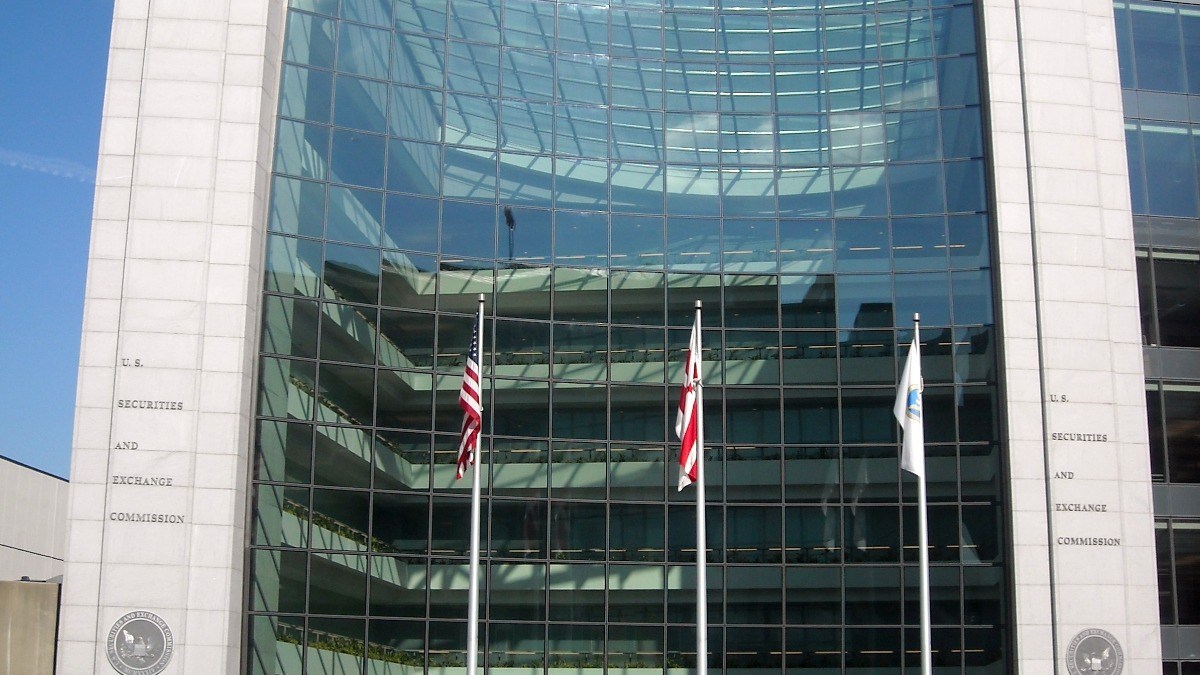

Axios reported that the Trump administration is moving to roll back a federal restriction created after pay-to-play scandals tied to private equity funds and public officials. The rule was designed to keep those funds from using campaign money and gifts to win government business.
The Securities and Exchange Commission claims Rule 206(4)-5 of the Investment Advisers Act stifles “free speech” and had too many unintended consequences. Officials at the agency offered no substitute rule and said state and local statutes would be enough on their own.
The report noted that those state and local statutes had already proven inadequate, which is why the federal ban was adopted. The SEC voted unanimously in 2010 to ban private equity pay-to-play bribery.
The restriction reaches venture capital and hedge funds as well
Under Rule 206(4)-5, “covered associates” cannot give advisory services to a government client for two years after they donate to certain candidates or elected officials. Federal candidates are generally left out unless they also hold a relevant state office. Other gifts fall under the same ban.
The definition of “covered associates” includes a lookback for people who join a firm later. Many firms have treated the language as covering every employee. Placement agents are also caught by anti-circumvention language in the rule.
Private equity misconduct prompted the rule, yet it also covers venture capital managers, hedge fund managers, and similar advisers. Regulators made the ban wide on purpose, according to the report.
Prosecutors at the state and local level often struggled to prove a direct quid pro quo and viewed a federal prohibition as the strongest tool against slippery actors. Such bipartisan enforcement actions are not limited to the SEC, as seen when Wisconsin’s elections commission voted that Elon Musk likely broke election bribery law. The SEC backed that view on a bipartisan basis and voted unanimously in support.
The SEC now argues that following the rule has been unwieldy and has kept public pensions from hiring “the most qualified or cost-effective advisers.” Fund managers and their lawyers are all familiar with the restriction at this point, the report said. The SEC has brought fewer than two dozen related cases so far.
In the agency’s newer wording, some of those cases look more like “foot faults” than planned graft. Officials are not discussing a narrower version of the rule. They are discussing removing it completely.
SEC chair Paul Atkins supports the rescission plan, as do the commission’s two sitting members, both Republicans. Comments on the proposal will be accepted for the next two months.








Published: Sep 9, 2026 11:45 am