




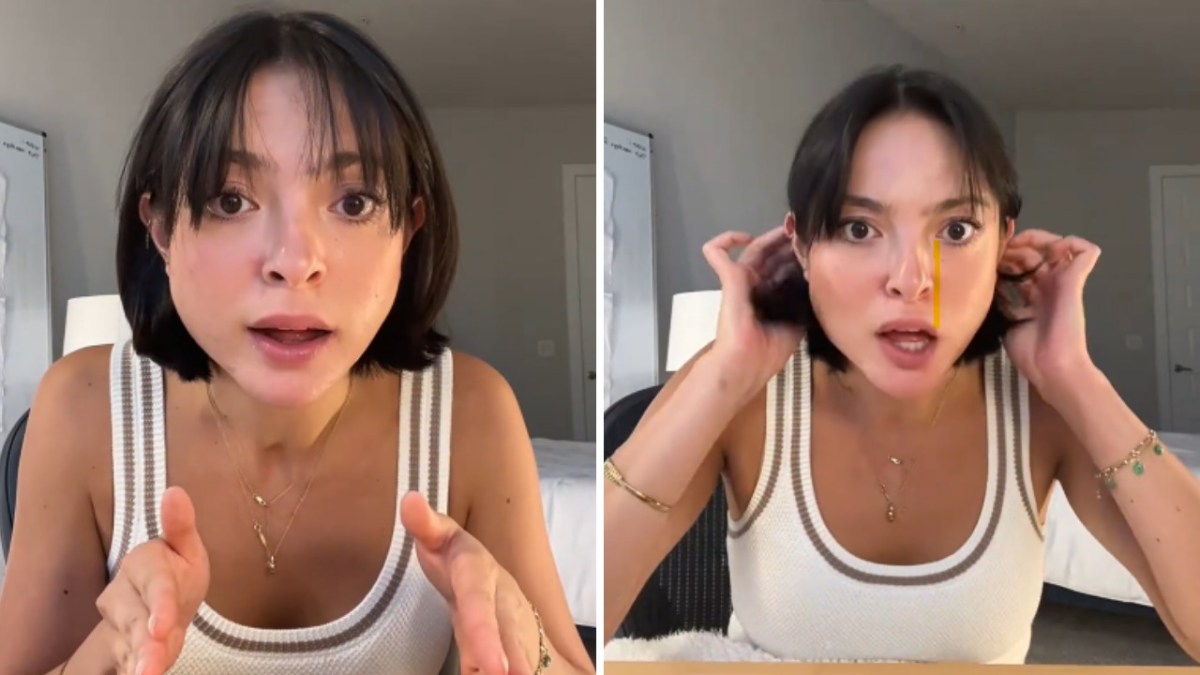
A phone call that appeared to come from a credit union left one woman saying she had handed over her entire life savings after being told the bank itself was under federal investigation. The woman shared the account in a video that was shared on TikTok by @mads8284.
She said the incoming number matched the one listed for America First Credit Union. The caller described a $900 purchase in Georgia and asked whether it was hers. She replied that she was in Utah and that the charge was not hers.
According to her description, the caller then said the bank would watch the account for about a week and asked her to report any other suspicious activity. She agreed, and the same people continued contacting her over the following days without requesting additional personal information they did not already appear to have.
Caller claimed an internal bank investigation before directing transfers
After roughly a week, she said the callers returned with a different explanation. They told her the situation was “an internal fraud scheme” and that “someone within the bank is helping steal your money, which is very serious, so we are going to conduct a federal investigation.” She described receiving an email that looked like it came from the FDIC and included a gag order.
She said she reviewed the message carefully and found that it appeared legitimate. The callers then kept her on the line for what she described as 3.5 hours, telling her the FDIC was also on the call and that they would send receipts she could use in court. During that conversation, she said they instructed her to wire money and cash out funds, moving everything into what they called her new account.
She later stated, “Turned out it was a scam. I did not realize until the end.” When she contacted the real bank afterward, she said staff told her the money could not be returned because she had personally gone into a branch, signed the paperwork, and completed the wire transfers and cash-outs herself. She added that the bank told her the loss was therefore non-refundable. In other cases, attentive tellers have managed to spot red flags during cash withdrawals and stop a scam before the money was gone.
In the video, she warned viewers to be careful even when a call appears to come from a bank, doctor’s office, or similar organization. She advised hanging up and calling the number looked up independently, saying that approach “will be directed right to the institution” and avoids a spoofed line.
The Federal Deposit Insurance Corporation’s Office of Inspector General has previously warned about schemes in which fraudsters impersonate the FDIC, claim a victim’s bank is under investigation, and direct people to move money into accounts described as FDIC-managed. Fake sites and emails can closely resemble official materials but do not use .gov addresses, and victims are sometimes kept on the phone while carrying out transfers at a branch.
Many viewers focused on details in the woman’s account that they said should have stood out earlier. One commenter pointed out that banks “don’t have 3.5 hours to talk to u over the phone.” Another emphasized a basic precaution, writing that the rule is to “ALWAYS hang up & call the number on your card, even if they seem legit.”
Several others noted that a real bank would typically shut down a card right away after a reported fraudulent charge rather than simply “watch your account,” with one summarizing the situation as “your bank will never call you.”







Published: Nov 4, 2026 05:30 am