



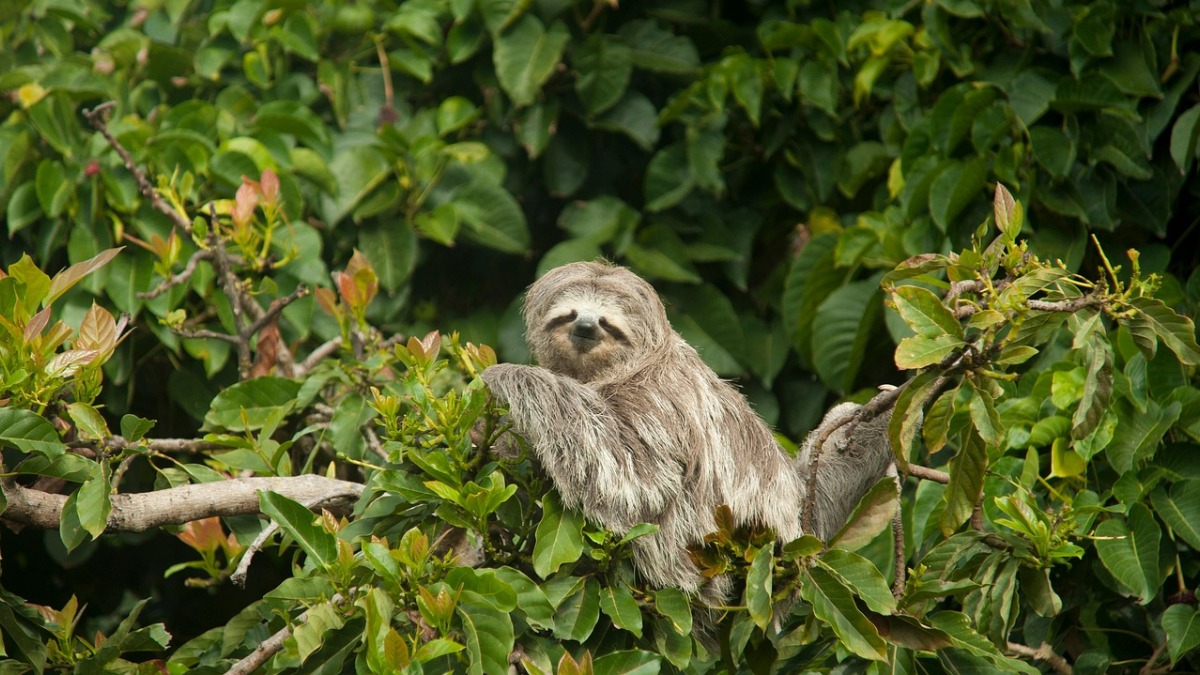

Sloth World Orlando has confirmed it will close permanently following the deaths of at least 31 sloths held in an unauthorized warehouse. The animals, imported for a commercial exhibition, have since been surrendered and transferred into AZA-managed care. As detailed by The New York Times and the Sloth Conservation Foundation, the closure follows a series of disturbing reports about conditions the animals were kept in before the facility ever opened to the public.
The first group of 21 sloths arrived at a warehouse in December 2024. State wildlife officials determined the building was not authorized for animal storage and lacked both electricity and water at the time of arrival. Peter Bandre, identified as an operator of the warehouse and vice president of Sloth World, reportedly told a state wildlife officer the building was not ready to receive the animals, but it was already too late to cancel the shipment. To combat the cold, operators purchased space heaters, which tripped a circuit breaker in a nearby building and left the sloths without heat. The Florida Fish and Wildlife Conservation Commission report noted the 21 sloths died due to what Bandre described as a cold stun.
An additional 10 sloths arrived from Peru in February 2025. Two had already died during transport by the time they reached the facility, and the remaining eight were described in the report as emaciated. Those animals eventually succumbed to poor health. Dr. Rebecca Cliffe, founder of the Sloth Conservation Foundation, has noted that sloths are incredibly fragile and lack a fight-or-flight response, leaving them unable to defend themselves or flee when in distress.
The deaths were kept quiet for months before regulators stepped in
The facility had been marketed as a rainforest-inspired indoor habitat and a “Slotharium” where visitors could interact with more than 40 sloths. Public records revealed that management was linked to the private sloth trade, with Bandre previously serving as CEO of a company that imported hundreds of sloths into the United States over the past decade. That business model relied on sourcing wild-caught animals from countries including Guyana and Peru.
The violations remained concealed for months until a Florida Fish and Wildlife Conservation Commission report, obtained by Inside Climate News, brought them to light, a pattern not unlike other cases where institutional misconduct surfaces only after outside scrutiny, such as the D4vd murder investigation that remained under a secret grand jury for months before charges were filed. Building inspectors with Orange County eventually issued a stop-work order for the warehouse in April 2026, as the building was only approved for storing vehicles. Representative Maxwell Alejandro Frost, who represents the Orlando district, posted on X that he was appalled by the conditions, noting the animals were taken from their natural habitats and placed in an environment that allowed for the spread of deadly viruses and stress-induced death.
Experts have long argued that sloths are not suited for captivity, particularly in artificial environments that cannot replicate the microclimates of their natural canopy homes. The Sloth Conservation Foundation and The Sloth Institute have been vocal about the ethical risks of removing wild animals for commercial entertainment. Dr. Cliffe has stated that conservation cannot be retrofitted onto models that rely on removing wildlife from the forest. Amid growing scrutiny of government officials failing to flag misconduct early, including a DHS counterterrorism official recently accused of misusing her position for months before her ex filed a formal complaint, the Sloth World case raises similar questions about how long preventable harm goes unaddressed.
Because sloths rely on a specific diet and environment, they frequently fail to thrive once moved into artificial settings. The fact that Sloth World planned to house so many animals, with some job advertisements suggesting up to 65 sloths, only underscores how disconnected the business model was from the biological needs of the species. The remaining animals have been surrendered to professional care following the stop-work order.




Published: Apr 24, 2026 07:30 pm