



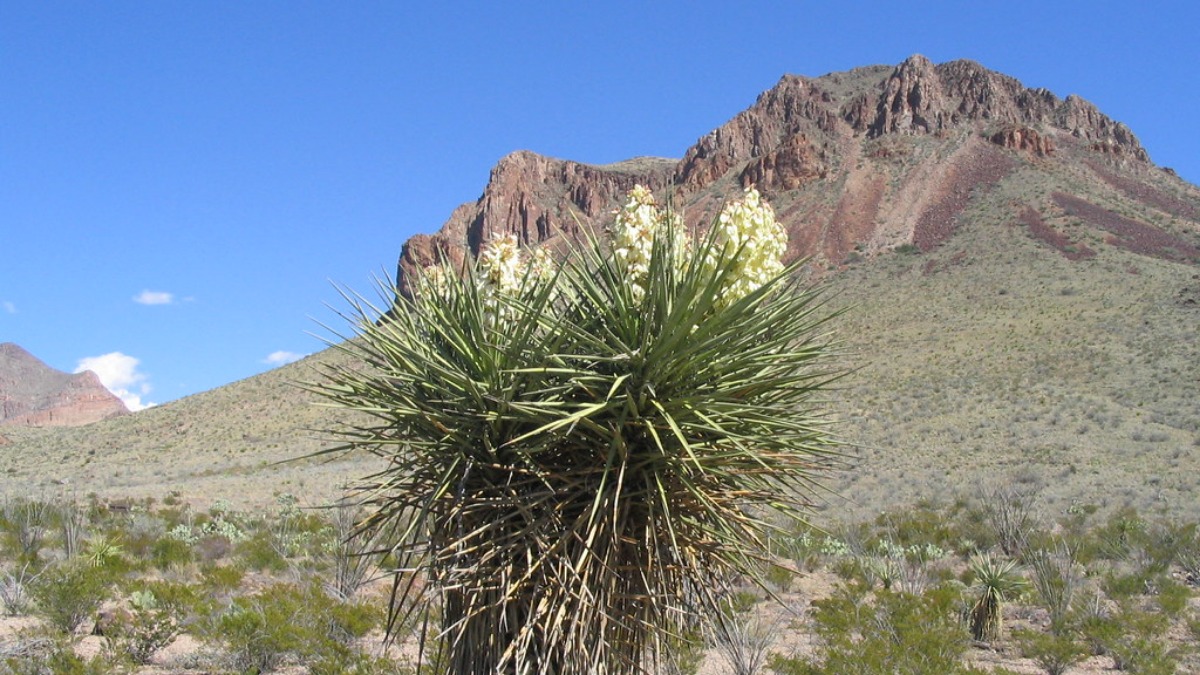

The National Parks Traveler reports that the Department of Homeland Security has opened the way for border wall construction through Big Bend National Park by setting aside a wide range of environmental rules. Homeland Security Secretary Markwayne Mullin issued a six-page decision statement on Monday, officially bypassing laws such as the Endangered Species Act, the National Environmental Policy Act, and the Clean Water Act.
The move is meant to allow the quick construction of barriers and roads in the area. This is a notable step, given the changes seen in these plans over the past few months. The Customs and Border Protection commissioner suggested in mid-May that a wall would not be built in the park, but the agency soon changed direction.
By May 11, it had already awarded a $1.7 billion contract to Southwest Valley Constructors Co. for border wall work in the Big Bend region. A later contract for $4.5 million was awarded just two days afterward to the Vernadero Group Inc. to provide resource monitoring support for the project. The size of the work is large.
The contracts, miles of barriers, and the people pushing back
According to information obtained by the National Parks Traveler, the project includes 17 miles of vehicle barriers inside and near the park, along with 205 miles of added infrastructure such as patrol roads and technology. The waiver now allows the full range of these features, including fencing, lighting, cameras, and sensors. The agency reportedly awarded an additional $2.6 billion contract last week for the Lower Canyons area of the Rio Grande.
Conservationists and former park officials have voiced strong frustration. Laiken Jordahl, a national public lands advocate at the Center for Biological Diversity, spoke plainly about the decision. “The absolute disdain this administration has for our national parks is disgraceful, and now they’re targeting Texas’ most beloved national park,” Jordahl said.
He continued, “The only people benefiting from this destruction are the billionaire contractors set to pad their pockets while paving over our natural heritage and permanently locking a great American river behind hideous steel barriers. We won’t stop fighting for this crown-jewel national park and the Rio Grande.” The decision is the latest in a series of moves drawing attention to the agency, which Mullin recently confirmed will deploy ICE at the 2026 World Cup.
Bob Krumenaker, the chairman at Keep Big Bend Wild, shared similar views. He described the decision as “devastating news, giving [Customs and Border Protection] unfettered authority to do anything they want within the national park.”
He also noted that the agency’s public statements about valuing the park’s resources seem to clash directly with their recent actions. According to Krumenaker, the large financial investment ignores data showing few border crossings in the area and disregards the concerns of many Texans.
This push for construction faces opposition from people who know the land well. A group of former Big Bend superintendents, who together have 259 years of National Park Service experience, have argued that a wall is unnecessary because of the rugged terrain.
They have stated that a physical wall and added paved roads are not the right way to secure the border. The agency’s broad role has also prompted lawmakers to back a bill to separate the Secret Service from DHS.
As the former superintendents put it, “There does not need to be a conflict between a strong border, a thriving local economy, and conservation of the wildest, most intact landscapes of Texas and our nation.” Despite this pushback and a lawsuit filed in early April to block the project, the Department of Homeland Security is moving ahead with its plans.








Published: Jun 9, 2026 01:45 pm