



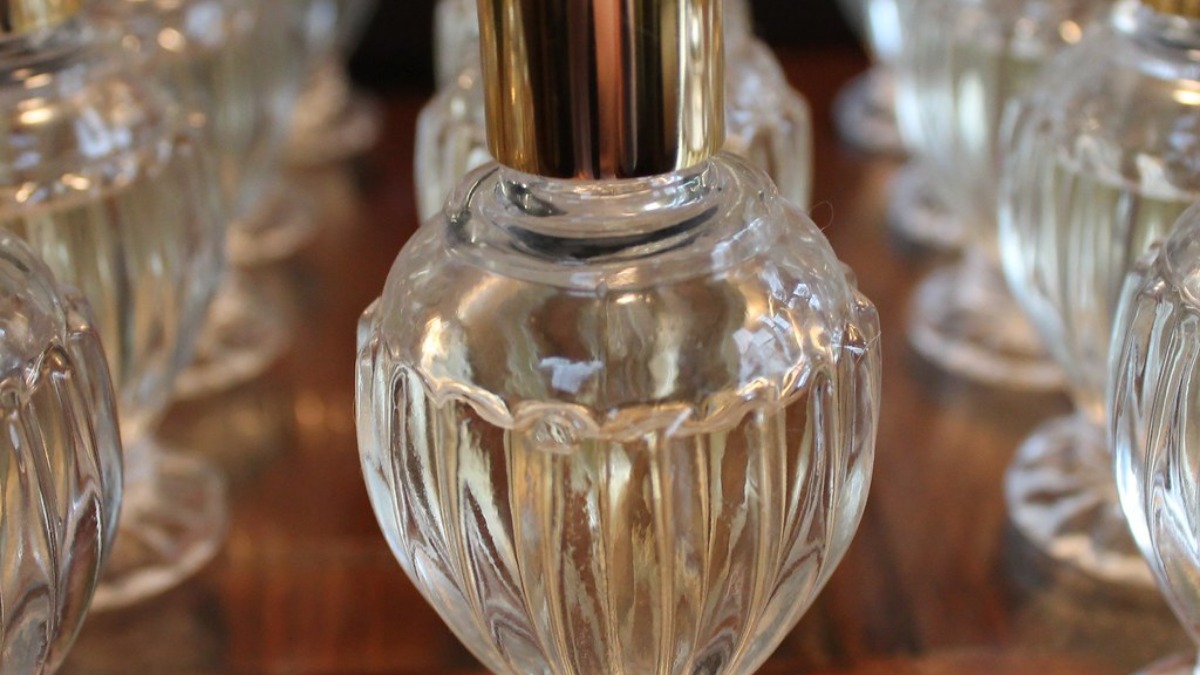

Charlie Rowley regularly searched charity bins near his home in Amesbury, England, looking for useful finds. In June 2018, he came across a small box labeled Nina Ricci and believed he had found an expensive bottle of perfume. He decided to give it to his girlfriend, Dawn Sturgess, as a gift, according to CNN.
On June 28, 2018, Rowley handed the box to Sturgess while they were relaxing at home around midday. He noticed that the nozzle was not attached to the bottle and had to fix it himself, but did not think much of it. Sturgess sprayed the liquid on her wrist, and both of them noticed it had an oily texture and no smell at all.
Within minutes, Sturgess complained of a headache and began feeling very unwell. She went to the bathroom, and Rowley heard a loud thud. He found her unresponsive and called for emergency services. “One minute I was talking to Dawn, the next minute, she wasn’t herself, non-responsive. I just went into panic mode,” he recalled. “I didn’t know what to do.”
A discarded Novichok bottle linked to the Skripal poisoning ended up in a charity bin
The liquid in the bottle was Novichok, a lethal nerve agent originally developed by the Soviet Union. The same poison had been used three months earlier in a failed assassination attempt against former Russian spy Sergei Skripal and his daughter Yulia in nearby Salisbury.
Investigators believe two Russian operatives had applied the poison to the front door of Skripal’s home before leaving the country. Cases involving spies operating under civilian cover have long fascinated the public and shaped how intelligence agencies operate.
After Sturgess was taken to hospital, Rowley stayed at home to pack a bag of her belongings. He soon became severely ill himself and was found covered in sweat and mumbling incoherently before falling into a coma.
Sturgess, who was 44 years old, died ten days after being exposed to the poison. Rowley spent weeks in a coma and later suffered a stroke, leaving him with lasting health problems including vision loss and reduced use of his left arm.
Neil Basu, Britain’s former head of counterterrorism policing, stated in a documentary film that the small perfume bottle contained enough Novichok to kill 10,000 people. Forensic teams in hazmat suits were deployed across Salisbury to decontaminate the area following the incident.
Incidents where an accidental exposure triggers a serious health scare can affect entire communities, as seen in past cases involving contaminated food or substances. The scale of the contamination risk alarmed British authorities, given that the bottle had been discarded and ended up accessible to the public.
The two Russian agents linked to the attack were identified by investigators but were never arrested. They publicly claimed they had visited Salisbury as tourists to see its famous cathedral. Rowley later met with the Russian ambassador in London seeking answers but said he left the meeting feeling he had only received excuses.
Rowley said the guilt of having given Sturgess the bottle as a gift still affects him. “I was in shock because that was the bottle I gave to Dawn as a present,” he said. “I felt terrible, terribly guilty over that … and it’s still hard to deal with today.” On the possibility of justice, he added: “It’s out of my hands. There’s nothing I can do.” More details about the incident are covered in the CNN Films documentary The Salisbury Poisonings: A Spy Next Door.

Published: Jul 13, 2026 08:15 am