



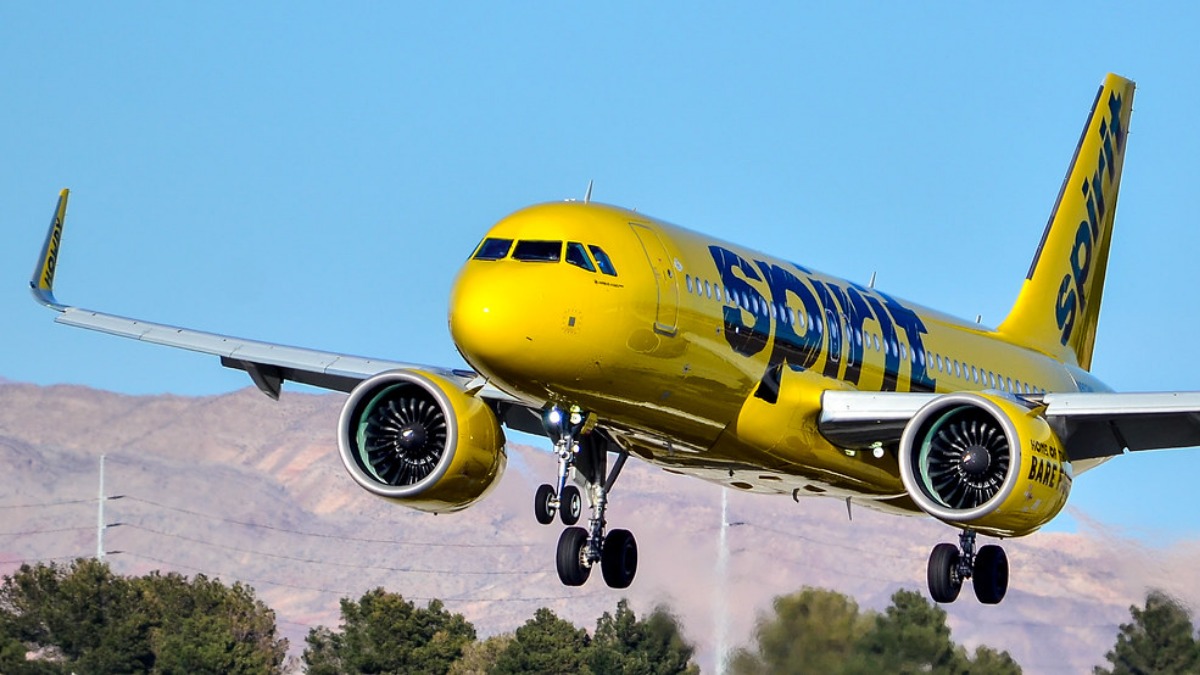

Spirit Airlines is facing a potential collapse within days, putting thousands of travelers at risk of voided bookings and upended travel plans. The ultra-low-cost carrier has been struggling for years to turn a profit, battling changing traveler habits and rising costs. As detailed by Business Insider, the ongoing oil crisis, reportedly triggered by the Iran war, may be the final blow, with high fuel costs hitting the airline particularly hard.
Brent crude oil dipped to $88 midday on Friday from nearly $100 the previous day after the US and Iran indicated the Strait of Hormuz was open, which offered a temporary reprieve. The underlying financial issues, however, remain. Spirit is reportedly scrambling to find a buyer, but securing a deal has proven difficult.
If Spirit ceases operations, tickets would become immediately worthless. Call centers would close, airport staff would disappear, and there would be very few resources left for affected passengers. Spirit’s Chapter 11 bankruptcy status also means it may refuse refunds as it works to conserve remaining assets.
Passengers have limited options if the airline folds
When an airline merges or is acquired while still operating, tickets are typically honored or rebooked onto the new carrier, as seen with American Airlines and US Airways, United and Continental, and Alaska Airlines and Hawaiian. A full collapse is different. Bookings are usually voided immediately, and passengers are forced to pay out of pocket for last-minute alternatives.
The U.S. Department of Transportation (DOT), which has guidance on airline service cessations, acknowledges that airline bankruptcies can leave travelers stranded far from home. For passengers who paid by credit card, the Fair Credit Billing Act may provide a path to reimbursement through a chargeback. To pursue one, travelers must write to their credit card company at the address listed for disputing charges, include their account number and ticket documentation, and state that the airline has ceased operations and no service was rendered. That notice generally must arrive no later than 60 days after the first monthly statement listing the charge, though some issuers waive this deadline for future transportation.
Debit card holders are in a more uncertain position, as protections vary by issuer. Passengers with travel insurance should contact their provider to check whether they are eligible for reimbursement. Amid concerns about airline financial instability more broadly, the Iran-driven Strait of Hormuz blockade has kept fuel cost pressures front and center across multiple industries.
Filing a proof of claim in the bankruptcy proceeding is another option, though passengers seeking refunds are typically classified as general unsecured creditors, meaning they rank behind banks and suppliers. Any recovery, if it comes at all, is likely to be a small fraction of the original amount.
This is not the first time an airline collapse has left passengers without recourse. Florida-based Silver Air shut down in June 2025, leaving passengers across the state and the Caribbean without flights. Icelandic carrier WOW Air caused widespread chaos when it halted operations abruptly in 2019. In 1998, Pan Am’s collapse led to a total grounding of all aircraft, with every ticket canceled and no refunds required under bankruptcy protection.
Spirit’s current predicament stems partly from two failed merger attempts. Frontier Airlines was the first bidder in 2022, followed by JetBlue Airways, whose offer was ultimately blocked by regulators in 2024. The DOT recommends that passengers with upcoming Spirit flights check with other airlines operating to their destination to see whether they will accept the ticket on a confirmed or standby basis, or offer a discounted fare by waiving advance purchase restrictions. Spirit previously told Business Insider that it does not “comment on market rumors and speculation.”








Published: Apr 18, 2026 01:30 pm