



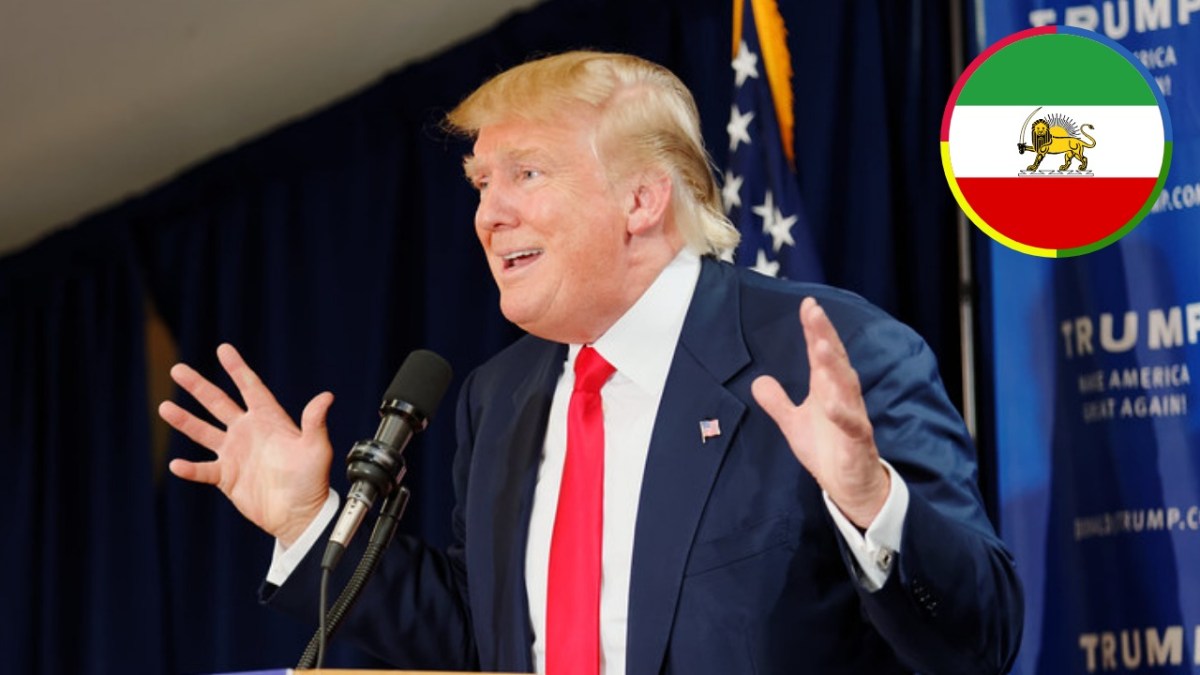

President Donald Trump used his address to the United Nations General Assembly on Tuesday to threaten Iran, asking world leaders whether he should “annihilate the Islamic Republic” without a deal. He also asked if he should “drive them into hell with no chance of survival,” as reported by NBC. His wording targeted the governing system rather than Iran’s people.
The two countries have been at war since late February, when Operation Epic Fury opened with more than 100 aircraft striking over 1,000 targets in the first 24 hours. The administration has cited goals including degrading Iran’s navy and ballistic missiles, but its core red line is preventing a nuclear weapon.
Trump spent much of the speech defending the war as necessary rather than declaring outright victory. He framed his next move as a choice between annihilation and a deal, which he predicted would come right after the November 3 midterm elections. He claimed Tehran is stalling as it waits to see how he performs in the vote.
Hours after the threat, Trump’s envoys were already talking to Iran
Hours after the speech, special envoy Steve Witkoff and Jared Kushner held three hours of talks with Iranian officials at the General Assembly. Trump said the Iranian officials were not the most senior, but called it a very good meeting. “I think that a settlement is going to be reached,” he told reporters, adding that the relationship was developing.
The talks followed a senior Iranian official’s claim that Tehran could reopen the Strait of Hormuz within seven days if Washington eased military pressure and lifted its blockade of Iranian ports. The proposal was reportedly sent through mediators last week. However, Iran’s Fars News Agency later denied the report, citing its own sources.
Trump showed little sign of compromise during the speech, calling on all nations to enforce the complete economic isolation of Iran through military pressure, a naval blockade, and sanctions. The standoff has rattled global markets, as about one-fifth of the world’s energy moved through the Strait of Hormuz before the war.
Only 17 commodity vessels passed through the waterway over the weekend, according to shipping data firm Kpler, compared with a prewar average of about 125 per day. The disruption has pushed up oil prices and insurance premiums, and container rates between Shanghai and New York now exceed $10,000, nearly four times their prewar level.
The war is also becoming harder to manage at home, as rising costs collide with the approaching midterms. The Pentagon has officially acknowledged 18 U.S. military deaths, a toll that drew fresh scrutiny after his ‘small potatoes’ remark. However, The Washington Post has reported the real figure is at least 22, citing U.S. officials.
Trump also used the speech to reject the International Criminal Court. That came less than a week after a U.N. fact-finding mission found reasonable grounds to believe two U.S. strikes, including one that hit a school in Minab, may amount to war crimes. The school strike killed 157 people, including 123 children.
Tehran has shown little appetite for concessions. Parliament Speaker Mohammad Bagher Qalibaf, who led Iran’s negotiating team in earlier talks, said Iran would never surrender and that Trump cannot impose his power on the Iranian people. Still, the back-channel talks suggest the window for diplomacy has not closed.
Iranian President Masoud Pezeshkian is scheduled to address the General Assembly on Wednesday, one day after Trump’s annihilation threat, and has pledged to firmly defend Iran’s positions on the world stage.






Published: Sep 23, 2026 11:00 am