


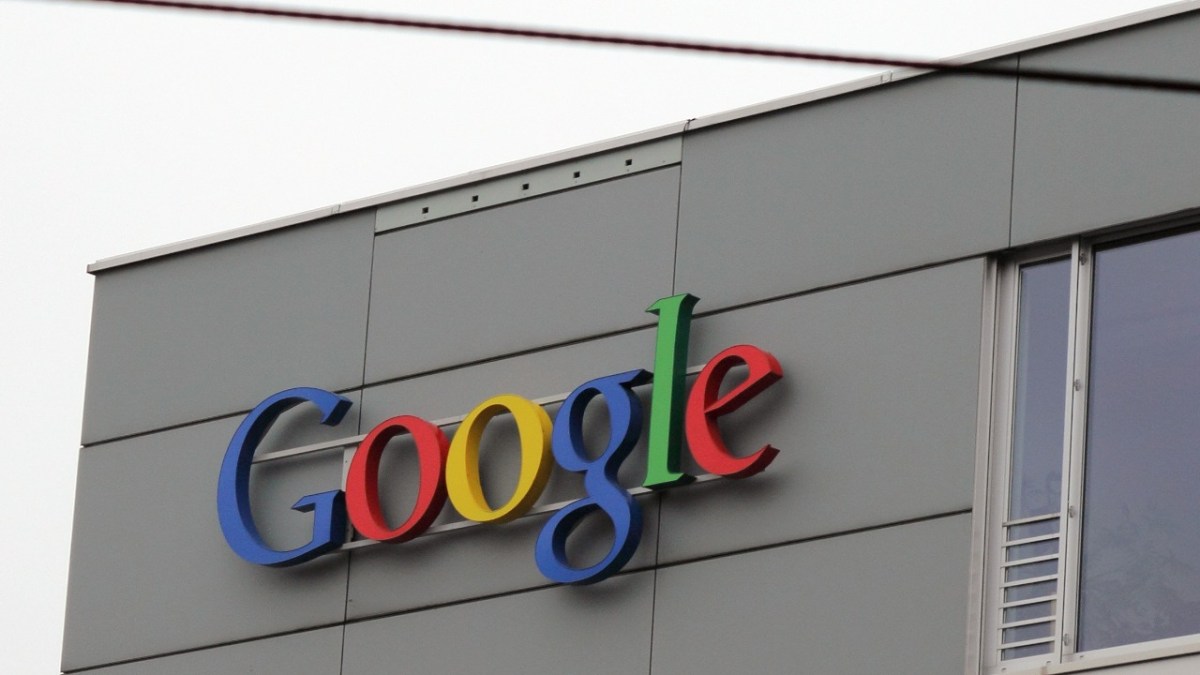

Google’s market value plummeted by $500 billion after investors reacted to the tech giant’s massive spending plans for artificial intelligence. As reported by Cybernews, the drop comes as the company’s core business, especially its ad revenue, shows signs of suffering.
Alphabet, Google’s parent company, saw its stock hit a record low over the past six months. For much of the last year, Alphabet was seen as the top Big Tech stock, with investors betting it would be the biggest winner in the AI boom.
As detailed by Bloomberg, its shares hit an all-time high on May 13 after soaring more than 150% in the preceding 12 months, outpacing other major tech players. That momentum has since reversed, raising questions about Google’s position in the AI race and whether it is losing its edge.
Google’s own AI features may be eating into its biggest moneymaker
One of the big concerns is Google’s own admission that its AI summaries may be negatively impacting ad revenue. Ads are an integral part of Google’s business and bring in the majority of its money.
Google’s profits fell by 25%, and for only the second time as a public company, it reported negative cash flow exceeding $9 billion. Negative cash flow means the company is spending more money than it brings in during a specific accounting period.
The situation is fueling fears of an “AI bubble” that could burst, much like the dot-com boom and bust of the late 1990s. Early internet companies saw their values skyrocket back then, only for the bubble to pop in early 2000, causing share prices to crash and many companies to go bust. People lost jobs, and savings, including pensions, took a hit.
Sundar Pichai, the head of Alphabet, has previously acknowledged some “irrationality” in the AI boom while calling the growth in AI investment an “extraordinary moment.” As Graphic Online reported, he warned that if an AI bubble were to burst, “no company is going to be immune, including us,” though he said Google could weather a potential storm.
Alphabet’s shares had doubled in value in seven months, reaching $3.5 trillion, as markets grew confident in its ability to compete with OpenAI, the company behind ChatGPT. A particular focus has been Google’s specialized AI superchips, which compete with offerings from Nvidia, a company that hit a world-first $5 trillion valuation. Some analysts have been skeptical about the $1.4 trillion worth of deals around OpenAI, as its expected revenues for the year are less than one-thousandth of that planned investment.
Pichai’s comments about potentially “overshooting” in investment cycles echo warnings from 1996 about “irrational exuberance” in the market, well before the dot-com crash. He said, “We can look back at the internet right now. There was clearly a lot of excess investment, but none of us would question whether the internet was profound.”
He expects AI to be the same, with elements of both rationality and irrationality. Jamie Dimon, the boss of US bank JP Morgan, also warned that while AI investment will pay off, some of the money poured into the industry would “probably be lost.”
Microsoft, which recently offered buyouts to 60,000 workers, and Amazon also updated investors on their quarterly results and end-of-year plans. All three tech giants plan to continue participating in the AI race, while investors reportedly grow more concerned that the bet could end up sabotaging the companies’ core products.
Pichai believes Google has a unique advantage in its “full stack” of technologies, owning everything from chips to YouTube data, models, and frontier science. He thinks this puts Google in a better position to ride out any turbulence in the AI market.







Published: Oct 30, 2026 03:45 pm