



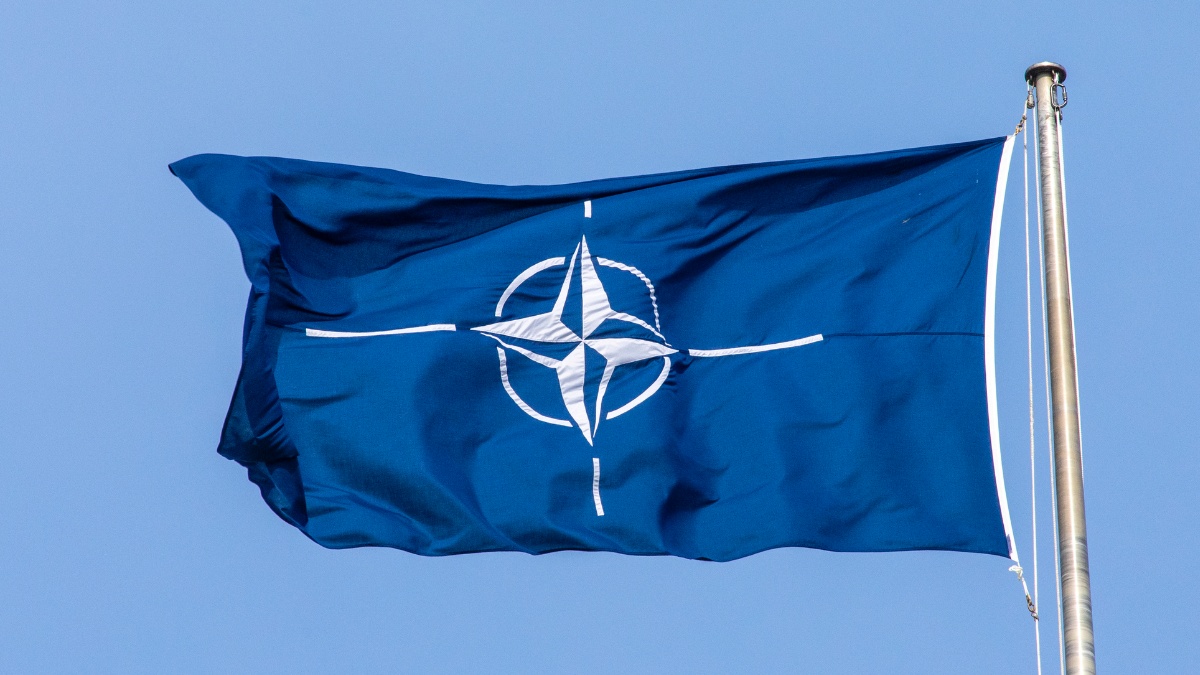

The European Stability Mechanism, a massive crisis fund originally designed to prevent the collapse of national economies, could soon be redirected toward military defence spending. As detailed by Reuters, ESM Managing Director Pierre Gramegna said the fund could begin lending to countries specifically for defence, marking a significant shift in how it is used.
The ESM currently has more than 430 billion euros, roughly $514 billion, in available capital. Gramegna said Europe needs to tap the fund’s “full potential” as defence costs surge across the continent, reflecting how sharply the geopolitical environment has changed. Recent developments include debates over regulatory approaches to emerging tech failures, like the chaotic Waymo robotaxi incident recently reported by Attack of the Fanboy.
That pressure has intensified since Russia’s full-scale invasion of Ukraine and amid a more volatile relationship with the United States. Gramegna noted that ties between Europe and President Donald Trump’s administration are “becoming more and more bumpy,” adding urgency to Europe’s push to strengthen its own defences.
A crisis tool being reshaped for defence spending
Gramegna outlined a plan to use the ESM’s precautionary credit lines to support defence budgets. Crucially, he said these loans would not require the strict economic reform conditions typically attached to emergency assistance, a move intended to reduce the stigma associated with tapping euro zone support. This echoes how some sectors feel stretched under economic pressures, highlighted by stories such as the frustrating consumer experience at AutoZone.
The proposal is aimed primarily at smaller eurozone countries that are financially stable but struggling to absorb sharply higher military costs. Gramegna suggested that countries could submit collective requests, which would help avoid singling out any one government as needing help.
The idea represents a symbolic repurposing of a fund created during the eurozone debt crisis to protect the currency and prevent economic collapse. Gramegna said the ESM already has the tools for this approach, and Europe simply needs to “rediscover the potential of that instrument,” stressing that any support would be strictly limited to defence expenditure.
A similar mechanism was introduced during the COVID-19 pandemic, when the ESM made up to 240 billion euros available for healthcare spending. That facility, however, was never used.
The countries most likely to benefit include the Baltic states of Lithuania, Estonia, and Latvia. Bordering Russia and its ally Belarus, they have sharply increased defence spending since 2022, in some cases quadrupling outlays to around 5% of economic output, and have relied heavily on borrowing to fund the increases.
Despite the renewed push, the plan faces significant obstacles. Any change in how the fund is used would require unanimous approval from all member states, including militarily neutral countries such as Ireland, Austria, Cyprus, and Malta, as well as support from larger economies like Germany, which would need to agree to a major shift in the ESM’s role.





Published: Jan 30, 2026 07:00 pm