



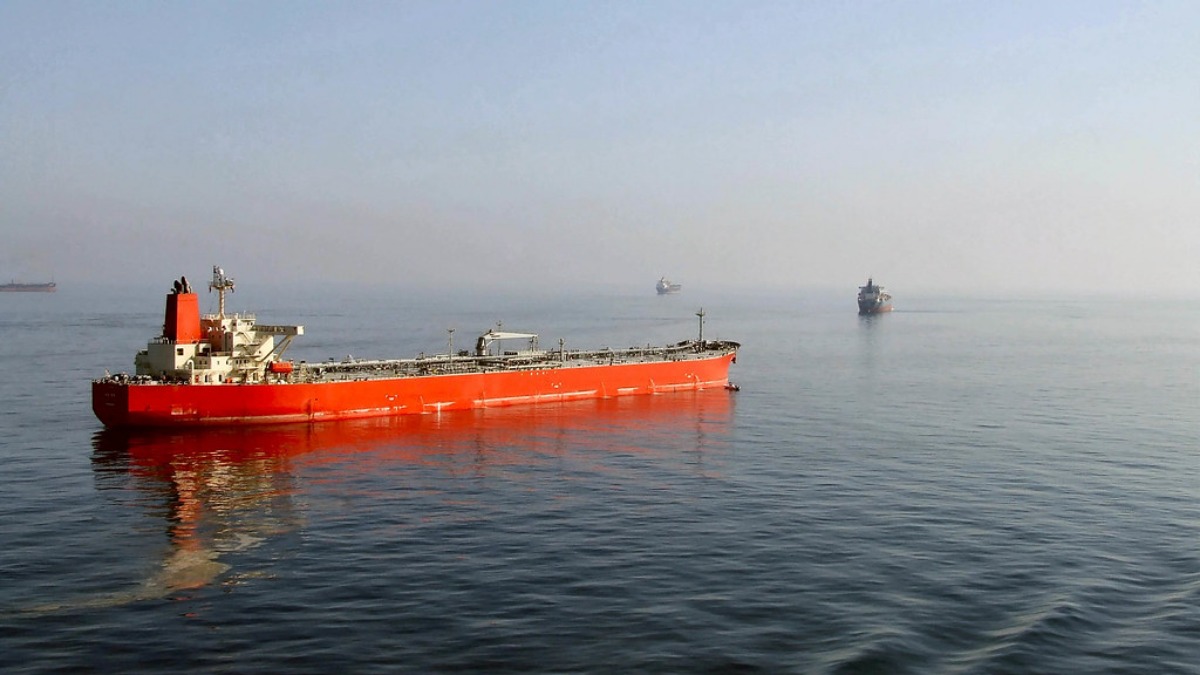

Iran has extended a proposal to end its current chokehold on the Strait of Hormuz, provided that the United States lifts its blockade and brings an official end to the ongoing war, Associated Press reported. This development indicates that Tehran is looking for a way out of the current economic stalemate, though it comes with a major caveat that might complicate things for the White House. Specifically, the proposal suggests that any discussions regarding the country’s nuclear program should be postponed until a later date.
Two regional officials, who spoke on condition of anonymity regarding these closed-door negotiations, confirmed that the offer was passed to the Americans by way of Pakistan. While this might sound like a potential breakthrough to some, it seems unlikely that the U.S. will jump at the chance. President Trump has consistently maintained that a primary motivation for entering this conflict was to ensure that Iran is denied the ability to develop nuclear weapons. Removing the nuclear issue from the table, even temporarily, creates a significant hurdle for any potential agreement.
White House press secretary Karoline Leavitt confirmed that the national security team had gathered to discuss the proposal. She did not provide any specific details about the nature of those discussions or how the administration is viewing the offer, noting only that the President would address the matter at a later time.
The stakes here are incredibly high, as the Strait of Hormuz acts as a critical artery for the global economy
In peacetime, approximately one-fifth of the world’s traded oil and gas travels through this narrow waterway. The current blockade is designed to prevent Iran from selling its oil, which has not only deprived the nation of essential revenue but has also forced Tehran to consider shutting down production due to a lack of storage space.
The economic ripple effects are hitting home for everyone. Oil and gasoline prices have seen a massive spike, creating significant pressure on the U.S. ahead of upcoming midterm elections. Furthermore, Gulf allies who rely on the strait to export their own energy resources are feeling the strain.
On Monday, the spot price of Brent crude was trading at roughly $109 per barrel, which is about 50% higher than the levels seen before the war began. As a result, there are renewed demands from dozens of nations to end the blockade, as the global economy continues to suffer from rising costs for fertilizer, food, and other basic goods.
During a session at the Security Council, United Nations Secretary General Antonio Guterres highlighted the severe humanitarian toll of the current situation. He stated, “These pressures are cascading into empty fuel tanks, empty shelves — and empty plates.” International leaders are also weighing in with sharp criticism.
German Chancellor Friedrich Merz expressed his frustration with the lack of a clear exit strategy for the conflict, noting, “The problem with conflicts like these is always the same: It’s not just about getting in. You also have to get out.” French Foreign Minister Jean-Noël Barrot was equally direct in his assessment.
While he criticized the U.S. and Israel for acting in a way that “flouts international law,” he also placed responsibility on Iran for the closure of the passageway. He remarked, “Straits are the arteries of the world. They are not the property of any individual. They are not for sale, therefore, they cannot be impeded by any obstacles, tolls, nor bribery.”
Meanwhile, diplomatic maneuvers are happening on multiple fronts. Iranian Foreign Minister Abbas Araghchi met with Russian President Vladimir Putin in St. Petersburg. According to reports from the Russian state news agency Tass, Putin praised the Iranian people for “bravely and heroically fighting for their sovereignty.”
Araghchi later told a Russian state TV reporter that the U.S. had achieved none of its goals and suggested that the American request for negotiation was a sign of that failure. He emphasized that Iran and Russia remain “strategic partners” and that their cooperation would continue.
Despite the ongoing diplomatic efforts, the human cost remains staggering. Since the conflict began, at least 3,375 people have been killed in Iran, while Lebanon has seen at least 2,521 deaths. Casualties have also been reported in Israel, Gulf Arab states, and among U.S. service members and U.N. peacekeepers.
While a fragile ceasefire remains in place, the path to a permanent settlement is still nowhere in sight. President Trump has indicated that he received a “much better” proposal from Iran after he canceled a planned trip by his envoys to Pakistan, but he continues to insist that Iran must not possess a nuclear weapon. Whether the two sides can bridge these massive gaps remains the biggest question in this ongoing, high-stakes standoff.









Published: Apr 27, 2026 04:00 pm