



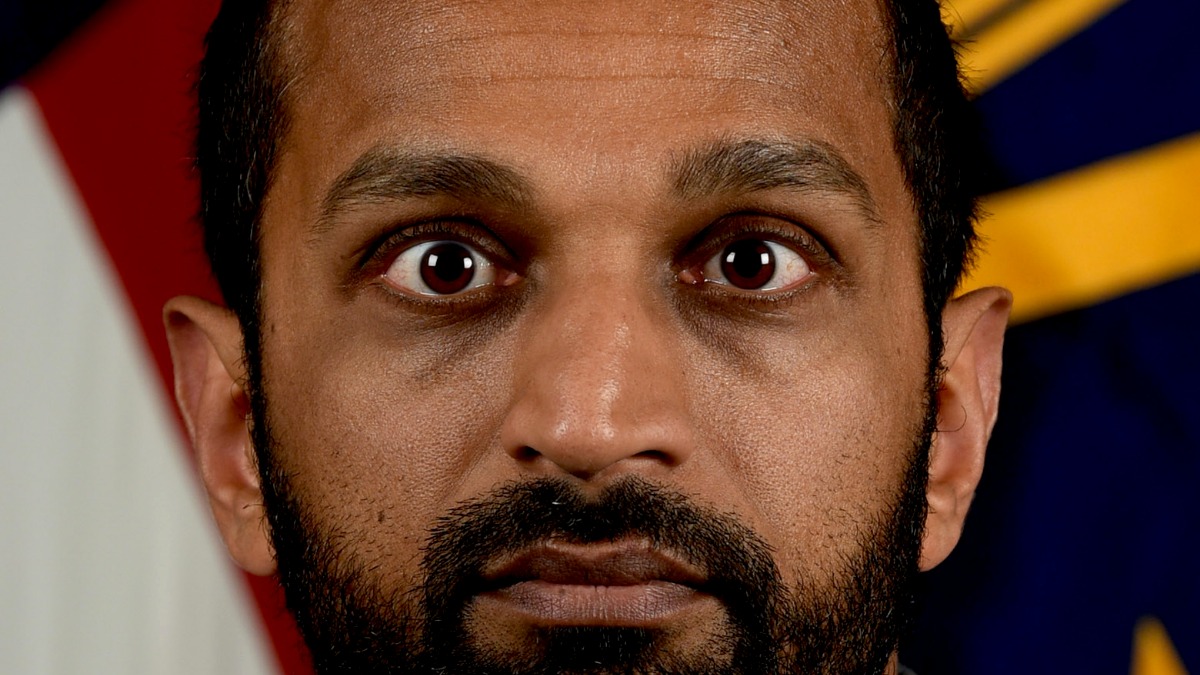

The FBI investigated a reporter from the New York Times after she wrote an article questioning the government security protections provided to the girlfriend of FBI director Kash Patel, the New York Times reported. This development comes as the bureau and Patel himself have denied that the investigation into the journalist, Elizabeth Williamson, has reached a formal status.
According to reports, FBI agents interviewed Patel’s girlfriend, Alexis Wilkins, and queried internal databases for information on Williamson to determine if she had violated federal stalking laws. While the FBI has denied that it is pursuing a formal case against Williamson, it did acknowledge that investigators were concerned about how the aggressive reporting techniques crossed lines of stalking.
This situation stems from a February 28 article written by Williamson, which detailed how Wilkins was being accompanied by a full-time protective detail of Special Weapons and Tactics team members from FBI field offices across the country. The report noted that this security detail followed Wilkins to various engagements, including hair appointments and singing appearances.
Patel has pushed back hard against the reporting and the scrutiny surrounding his use of government resources
During an interview, the FBI director claimed that the article was baseless and directly threatened the life of his girlfriend. He stated, “The reality is … that this same reporter delivered a baseless story which caused a direct threat of life to my girlfriend.” Patel further emphasized that he intends to protect his loved ones and any American facing similar threats. He also accused the New York Times of refusing to accept comments from his office and failing to address the court pleadings or the threats that he claims resulted from the reporting.
The executive editor of the New York Times, Joseph Kahn, has stood firmly behind Williamson and her work. He characterized the FBI’s actions as an attempt to criminalize routine reporting and described it as a clear violation of First Amendment rights. Kahn stated, “The F.B.I.’s attempt to criminalize routine reporting is a blatant violation of Elizabeth’s First Amendment rights and another attempt by this administration to prevent journalists from scrutinizing its actions.” He went on to call the situation alarming, unconstitutional, and wrong.
The tension between the FBI and the outlet escalated following the publication of the February 28 article. On the very same day, Wilkins received a threatening email from an anonymous sender in Boston. An affidavit filed in the criminal prosecution of that sender noted that the individual admitted to emailing the threat after reading Williamson’s article. Wilkins subsequently told the FBI that the reporter’s process had left her feeling harassed, a sentiment she had expressed as early as January when Williamson first reached out for comment.
During the reporting process, Williamson followed standard industry practices, which included contacting people who knew Wilkins and seeking a variety of perspectives. She had one phone call with Wilkins, which the latter insisted be off the record, and the two exchanged emails prior to publication. Williamson never actually met Wilkins in person. Despite this, a lawyer for Wilkins had contacted the editors of the New York Times before the story ran, arguing that the reporting raised troubling questions about proportionality and purpose.
The FBI’s involvement included a supervisory agent from the bureau’s headquarters in Washington, an inclusion that observers have noted is significant given the history of political sensitivity surrounding investigations handled at that level. While the FBI cited statutes regarding stalking and threats to safety to justify the inquiry into the reporter, officials at the Justice Department eventually determined there was no legal basis to move forward with a case.
This recent friction is part of a larger pattern of conflict between the current administration and media organizations. Patel has drawn significant scrutiny recently, including a $250 million lawsuit he filed against The Atlantic over reports alleging excessive alcohol use and questioning his performance as director. Patel has denied those allegations as well.
Additionally, he has faced questions from Democrats regarding his use of taxpayer funds for personal travel, specifically a trip to Italy where he was seen celebrating with the U.S. men’s hockey team after their Olympic gold medal victory. The FBI has stated that Patel would reimburse the department for any personal expenses incurred during that trip.





Published: Apr 23, 2026 04:30 pm