



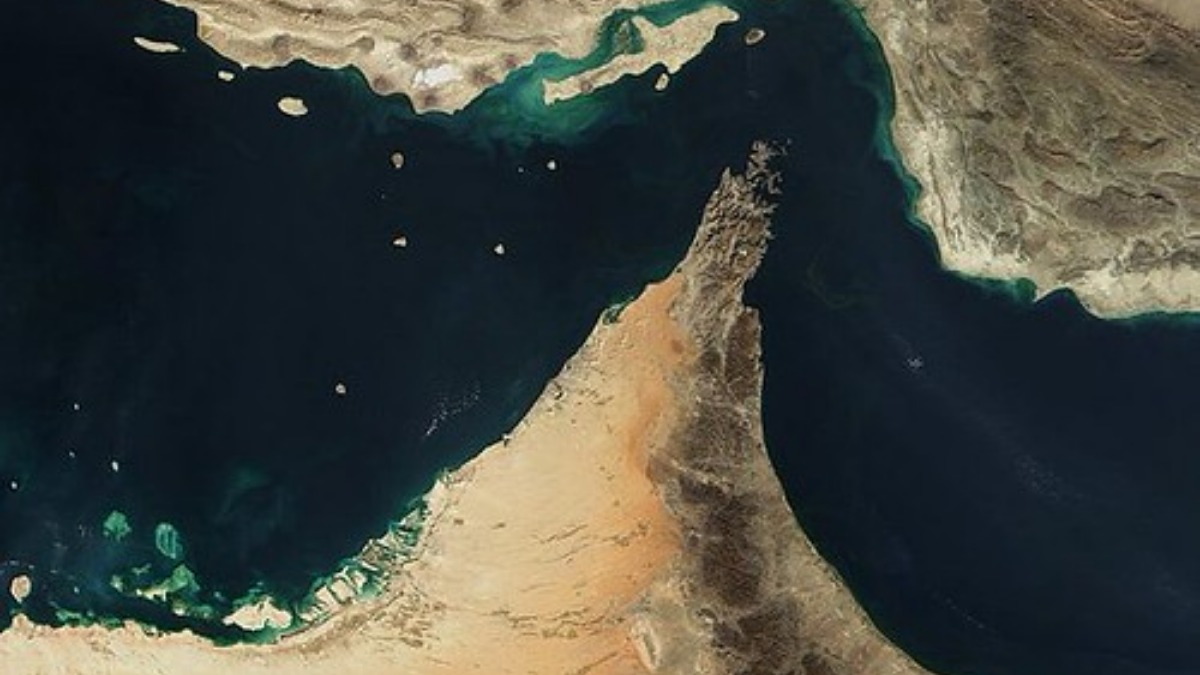

The strategic picture in the Middle East has changed sharply, as Iran’s control over the Strait of Hormuz has become a strong source of leverage against the Trump administration. This came after a series of military moves and misjudgments that have left shipping at a standstill and pushed energy prices higher.
In mid-February, shortly before the war began, the Islamic Revolutionary Guards Corps held live-fire drills in coastal waters. The exercise, called Smart Control of the Strait of Hormuz, served as a clear warning to the Trump administration. Even so, the move went largely unheeded. Within days of the conflict starting, Iran’s military effectively controlled the strait, using a mix of boats, missiles, and drones to threaten commercial tankers.
Former officials who took part in years of Pentagon war games said this response was entirely predictable. According to The New York Times, Dennis B. Ross, a former senior national security official, said, “Every single time, the first thing we focused on was the strait, without exception.” He added, “We assumed that if you go to war with Iran, this was their counterpoint.”
Former officials point to repeated war-game findings and flawed planning assumptions
John Bolton, who served as national security adviser during President Trump’s first term, shared the same view. He noted that the strait was central to talks about regime change. “It is impossible to believe that Trump was surprised by the closing of the strait,” Mr. Bolton said.
The administration’s failure to prepare for this outcome appears to come from several flawed assumptions. Some officials wrongly believed Iran would not commit what they called economic suicide by cutting off its own oil exports. Others, including Secretary of State Marco Rubio, publicly argued that such a move would be irrational. Reports describe how, with an Iranian agency reportedly controlling the strait, the administration brought in a sanction in response.
The U.S. military’s planning also focused heavily on the threat of naval mines, largely overlooking the impact of Iran’s drones. During a Senate Armed Services Committee hearing last June, Admiral Brad Cooper discussed mine warfare but did not mention drones, which have since become a main tool for threatening shipping.
Mr. Trump also seemed to believe American allies would step in to help regain control of the waterway. In June, Mr. Rubio predicted the whole world would unite against Iran if it closed the strait. However, no allies outside the immediate region have joined the effort.
A coalition led by Britain and France has said it will only help once the United States and Iran reach a formal agreement to reopen the passage. Tensions with regional partners have also surfaced, including reports that Trump threatened to strike U.S. ally Oman over a Strait of Hormuz agreement with Iran.
The administration’s public confidence was high at first. On March 3, Mr. Trump announced on social media that U.S. warships would escort tankers through the area. Later that month, Energy Secretary Chris Wright and Treasury Secretary Scott Bessent suggested military escorts were close at hand. On March 10, Mr. Wright even claimed on social media that the Navy had successfully escorted a tanker, though the post was quickly deleted and blamed on a staff member.
The situation remains tense. Mr. Trump has voiced his frustration, using a Truth Social post in April to profanely demand that the “crazy b—–s” in charge of Iran open the strait, or face living in Hell. Iran’s military has mocked these threats as a sign of helplessness. While the United States has quietly guided about 70 commercial ships through the area, these efforts have not affected global markets.
As Kenneth M. Pollack, a former C.I.A. analyst, noted, opening the strait would likely require a large land operation, since the military would need to hunt down the full arsenal of boats, missiles, and drones along the coast. “You have to go almost door to door on the northern shore of the strait to do this,” he said.








Published: Jun 3, 2026 08:45 am