



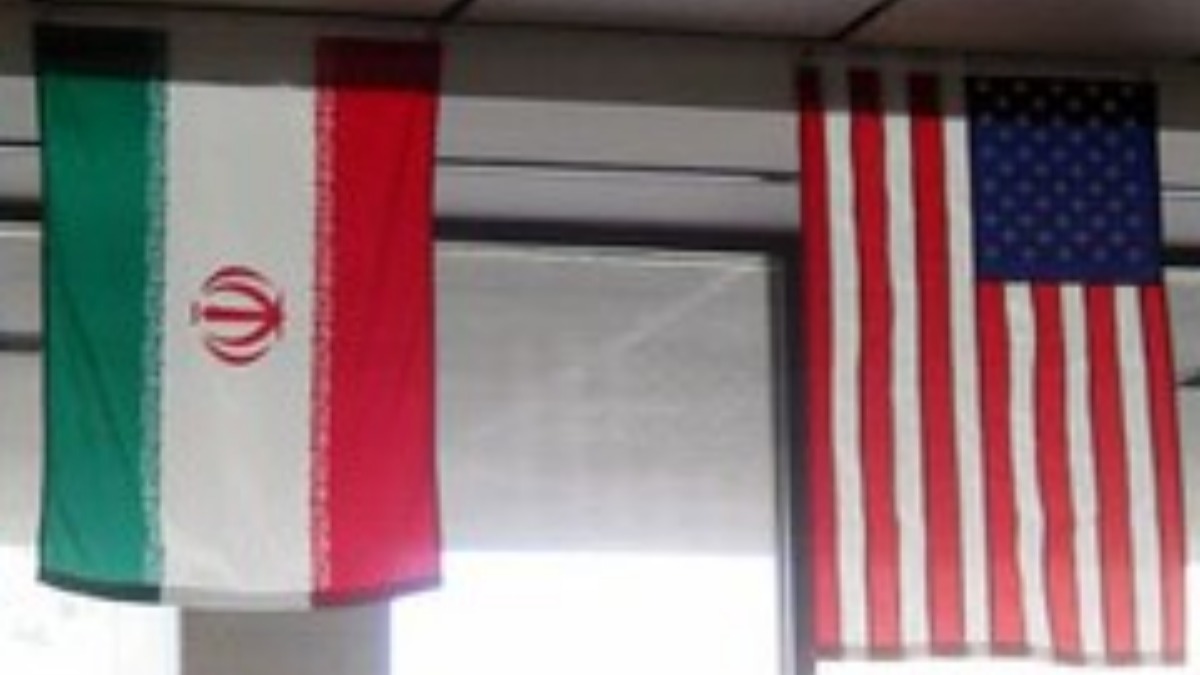

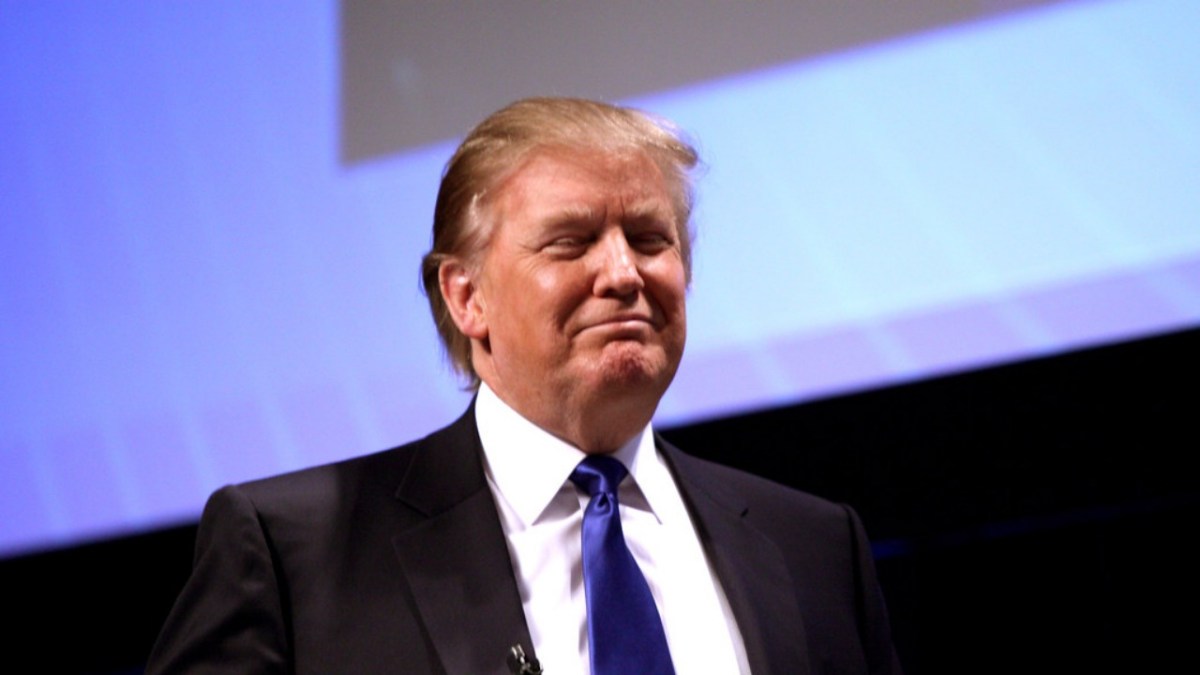
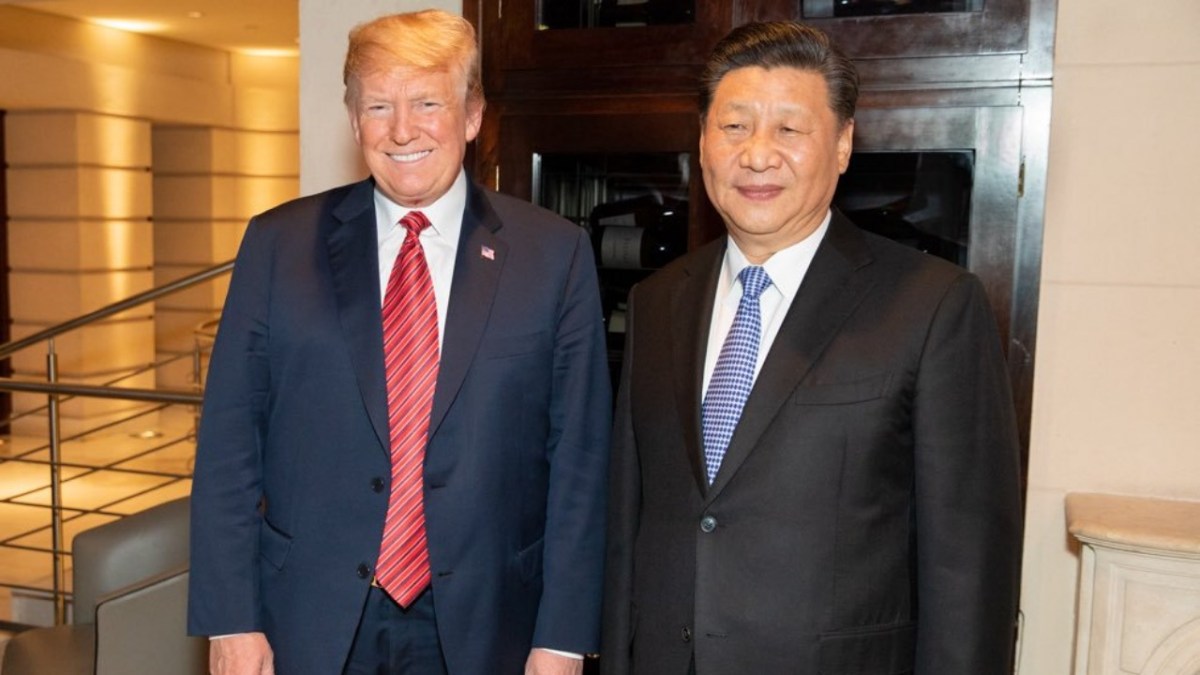
President Donald Trump announced that a deal to end the conflict between the US and Iran is scheduled to be signed on Sunday. The announcement came through a post on Truth Social, where Trump wrote: “The Deal is scheduled to get signed tomorrow, and immediately after it is signed, the Hormuz Strait is OPEN TO ALL.”
Pakistani Prime Minister Shehbaz Sharif also weighed in on Saturday, indicating that the deal was likely expected within 24 hours. “We are closer to a peace deal than ever before,” Sharif wrote on X. “With finalisation likely expected in the next 24 hours, Pakistan is preparing for the electronic signing of the peace deal immediately after, followed by technical level talks next week,” he added, noting that his government was preparing for an electronic signing process.
However, Iranian foreign ministry spokesman Esmail Baghaei struck a more cautious tone earlier in the day. “We will have to wait and see about the exact date of the signing of the memorandum of understanding, although it will not be tomorrow [Sunday],” he stated. A delegation from Qatar also arrived in Tehran on Sunday, though it was not immediately clear how that visit might affect the finalization of the agreement.
The broader deal includes a halt to Israel-Hezbollah fighting and future talks on Iran’s nuclear program
According to the BBC, the conflict escalated significantly following US and Israeli strikes across Iran on February 28, and intermittent fire between the US and Iran continued even after a ceasefire was established in April. Iran’s Foreign Minister Seyed Abbas Araghchi said the agreement includes an end to the conflict between Israel and Hezbollah in Lebanon, with talks regarding Iran’s nuclear program expected to follow at a later stage.
US officials have noted that economic benefits for Iran under the agreement will be contingent on Tehran meeting its specific obligations, which includes discussions around how Iranian assets may be used to aid Gulf allies in repairing damage from Iran’s attacks.
Trump also addressed Iran’s uranium stockpiles in his remarks. He said that “at the appropriate time, when all is calm, we will go in and get the Nuclear Dust,” adding that it would be destroyed. He further cautioned that if the situation did not move forward smoothly, Washington maintained an ultimate alternative, though he expressed hope it would never be used again.
Earlier reports had also covered how the US and Iran both paused imminent deal talk, with Secretary of State Marco Rubio warning that Washington would deal with Iran differently if diplomacy failed.
On Sunday, Israel conducted an air strike in the Dahieh suburbs of Beirut, a known Hezbollah stronghold. Israel confirmed the strike, stating it was carried out in response to fire from Hezbollah into Israeli territory. It was not immediately clear whether the Israeli strike would have any impact on the signing of the US-Iran deal.
The path to the agreement has involved complex mediation efforts, with both Pakistan and Qatar playing roles in the diplomatic process. The deal, as described by the parties involved, goes beyond simply stopping the fighting between the US and Iran and carries broader regional implications tied to the Israel-Hezbollah conflict and Iran’s nuclear activities.
Whether the agreement will be signed on Sunday as Trump announced, or whether Iran’s reservations about the timing will push the signing to a later date, was still uncertain as of Sunday. The situation on the ground remains volatile, with Israeli military operations continuing even as diplomatic efforts to finalize the deal move forward.




Published: Jun 14, 2026 04:47 pm