



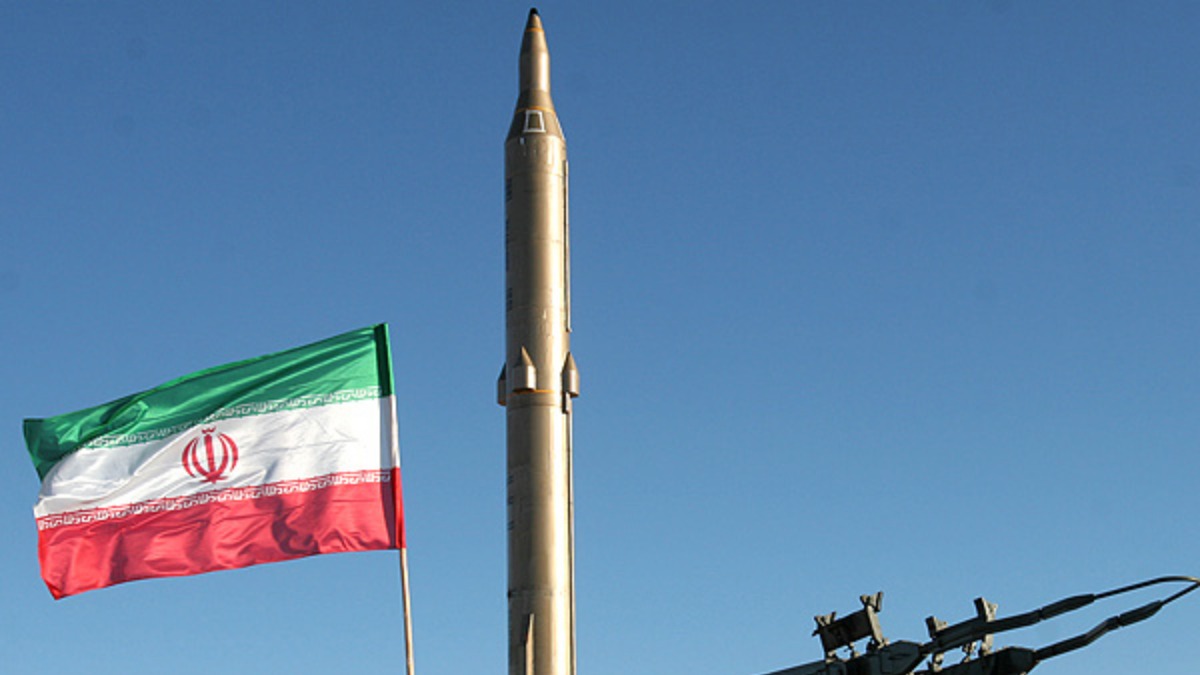

The United States is moving ahead with a new plan to hold Iran responsible for its recent attacks by using seized Iranian assets to pay for rebuilding efforts in allied Gulf countries, as per The New York Post. Treasury Secretary Scott Bessent is leading this effort, which aims to provide money for repairs after recent attacks caused major damage in the region.
This comes after a series of military escalations, including a recent dawn attack in which Iran launched seven ballistic missiles toward Kuwait and Bahrain. The situation has grown more dangerous, especially after an earlier incident last week left Kuwait International Airport damaged, killing one person and wounding more than 60 others.
A source familiar with the Treasury Secretary’s thinking said the department is taking an active approach to the issue. “Treasury will utilize all tools available to allow Iranian assets to be made available to our Gulf allies to support rebuilding and repairs for any future damage caused by Iran,” the source stated.
Bessent has directed his team to estimate the cost of repairs across Gulf allies
Secretary Bessent has already taken specific steps to advance the plan. He has “directed his team to assess conditions amongst our Gulf allies and request comprehensive estimates of the costs associated with repairing damage Iran has inflicted since the start of the conflict.” The Treasury is also looking into widening the plan, as the source noted that “Treasury will further consider whether Iranian assets could be used to support repairs for past damages.”
Specific dollar amounts for the program have not yet been shared. The move comes during ongoing tensions that began on February 28. At the center of these discussions is a large amount of frozen Iranian money, specifically $24 billion.
The Treasury has not directly tied the new repair program to those frozen funds, but they have been a key point of disagreement in talks between the United States and Iran. These exchanges have unfolded alongside Trump’s shifting comments on Iran’s military.
Iran is already under heavy economic pressure. President Trump put a strict blockade in place after Iran effectively stopped trade operations in the Strait of Hormuz, which has badly hurt the country’s ability to earn money from oil. This economic isolation is a major factor in the current situation.
Diplomatic relations remain tense as both sides deal with the ongoing war. Mohsen Rezaei, a security advisor to Supreme Leader Mojtaba Khamenei, told CNN that negotiations are currently at a “deadlock.” Rezaei stated that any progress in these talks depends entirely on the United States releasing the $24 billion in frozen assets. These tensions persist even as Trump has said he is open to meeting Iran’s leader.
The administration is looking for ways to support its partners while keeping pressure on Iran. By shifting the financial cost of these attacks back onto Iran, the Treasury is trying to ease the impact on Gulf allies who have been on the front lines of the conflict. More details are expected as the Treasury team finishes its review of the damages and works out the logistics of the asset-use program.








Published: Jun 7, 2026 08:15 am