



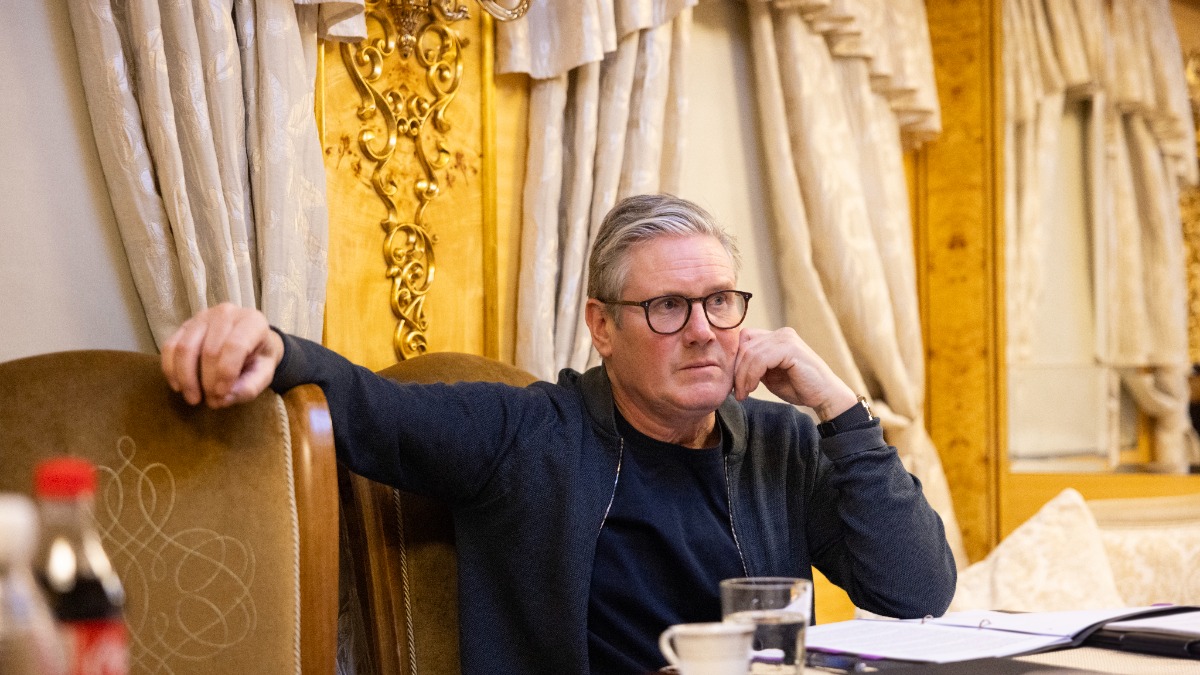

The United Kingdom is moving forward with a significant shift in digital policy, as Prime Minister Keir Starmer announced that children under 16 will soon be barred from using major social media platforms, Associated Press reported. This decision, which is expected to take effect early next year, aims to curb excessive screen time and protect younger users from potentially harmful content.
The list of restricted platforms is quite broad, covering services like TikTok, Snapchat, YouTube, Instagram, Facebook, and X. It is a bold move that aligns the U.K. with a growing international trend, as countries like Australia, Canada, Brazil, and Indonesia have already begun implementing or exploring similar age-based restrictions.
Prime Minister Starmer, who has two teenage children of his own, framed the decision as a necessary step for the well-being of the younger generation. He stated, “Every parent can see it with their own eyes. Social media is making children unhappy.” He also noted, “I’ve heard first hand from families crying out for change and we will do right by them.” Despite facing significant political pressure from within his own Labour Party, Starmer remains firm, saying he is “not prepared to compromise on the safety and happiness of our children.”
Not everyone is convinced that a ban is the right path forward
The government’s plan, which follows a public comment period that drew 116,000 responses, suggests that more than 90 percent of participants support a ban for those under 16. However, the tech industry is pushing back hard. Representatives from YouTube and Meta, which owns Facebook and Instagram, have warned that a blanket restriction could actually cause more harm than good.
A YouTube spokesperson argued that such measures “blanket bans push kids out of such curated, supervised, beneficial experiences and towards anonymous, less-safe services.” Meta echoed these concerns, suggesting that a ban might inadvertently drive teens toward online alternatives that lack any form of parental control.
Starmer addressed these concerns by drawing a parallel to other age-restricted products. He explained, “Teenagers drink before they should, but we do not then say, ‘in which case let us abandon any attempt to stop them buying alcohol.’” While he acknowledged that some teens will inevitably try to bypass these restrictions, he emphasized his belief that the government can effectively enforce these rules. The U.K. intends to follow a model similar to Australia’s, where companies that fail to take reasonable steps to keep children under 16 off their platforms could face substantial multimillion-dollar fines.
The scope of the regulation extends beyond just banning specific apps. The government plans to prevent strangers from initiating contact with children on gaming and livestreaming platforms. Furthermore, AI chatbots that simulate romantic or sexual relationships will be restricted to users aged 18 and older.
Authorities are also considering additional measures, such as implementing overnight curfews and breaking up the infinite scrolling features that keep users glued to their screens. These details are expected to be refined next month, but it is clear that the government is looking at a comprehensive overhaul of how children interact with digital spaces.
Kate Edwards, who works at the Molly Rose Foundation, pointed out that age verification tools have historically been quite easy to circumvent. She noted, “This is far too easy to work around. It is based on age verification tools that have been shown to be ineffective to date.”
She also argued that the policy fails to address the root cause of the issue, which is the way algorithms serve up harmful content to young people. Other experts, like University of Cambridge professor Jon Crowcroft, warned that these bans are technically difficult to police and could inadvertently cut children off from important digital resources.
The international implications are also starting to surface. The United States has expressed opposition to the move, with the U.S. Embassy in London suggesting that regulations should remain narrow to avoid violating free speech protections. There is also concern that such regulations place an unfair burden on American technology companies. Prime Minister Starmer is expected to discuss these tensions with President Donald Trump and other world leaders during the Group of Seven summit in France, which begins on Monday, November 18, 2024.
Despite the pushback, Starmer remains optimistic, stating, “I honestly think that across world leaders, there has always been a recognition that leaders have to take steps to protect children.” He added, “I don’t think that’s controversial.” As the U.K. prepares for these changes, the global debate over how to balance digital safety with online freedom is only going to intensify.







Published: Jun 15, 2026 05:00 pm