



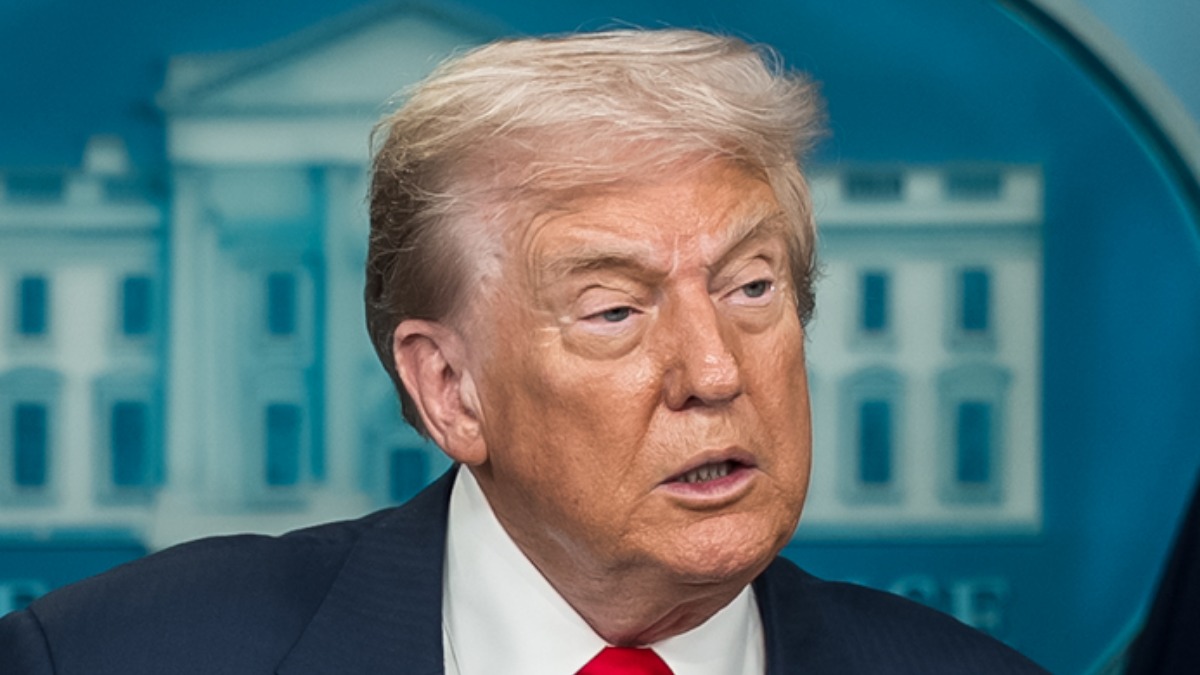

The US House of Representatives just passed a measure aiming to stop President Donald Trump from taking further military action in Iran, the BBC reported. This vote resulted in a 215-208 tally that highlights growing frustration regarding the ongoing conflict. While the resolution is largely symbolic, it represents a notable shift in the legislative landscape as four Republicans officially joined Democrats to voice their disapproval of the war that began in February.
This vote was to adopt a war powers resolution, which effectively requires the president to either withdraw US forces or seek formal congressional approval to continue the conflict. It is a bit unclear exactly how much legal force this specific House measure would carry. The White House has already dismissed the merits of the resolution, labeling it an unconstitutional attempt to restrict presidential power. Even so, the fact that it passed is a significant development because it adds immense pressure on the administration to find a conclusion to the Iran War.
This event marks the fourth attempt by the House to rein in the war powers of the president. The Senate actually advanced a similar resolution back in May, though it has not yet held a full floor vote on the matter. The measure considered on Wednesday was a concurrent resolution. If this were to pass in the Republican-controlled US Senate, it would not require the signature of the president, though it would almost certainly face a legal challenge.
This vote serves as a clear sign of division within the Republican Party
It comes only days after a revolt by conservatives in Congress forced the administration to pull back plans for a 1.8 billion dollar anti-weaponization fund intended for political allies. During the vote, Republicans Thomas Massie, Brian Fitzpatrick, Tom Barrett, and Warren Davidson joined a united front of Democrats. Democrat Jared Golden of Maine, who had previously voted against similar measures, also gave his support this time.
Representative Tom Barrett, a Republican from Michigan, explained his reasoning for the vote. “Congress alone declares war, that’s something certainly we need to be protective of,” Barrett said. When he was asked if he was worried about potential retribution from the president for his vote, Barrett noted: “I vote my conscience for what I think is right and willing to accept that.”
Representative Gregory Meeks, the leading Democrat on the House Foreign Affairs committee, described the vote as “a significant bipartisan rebuke of President Trump’s illegal and costly war in Iran and the first step toward ending it once and for all”. Meeks argued that the president had failed to achieve the stated aims of the war while simultaneously pushing up fuel prices for everyone at home. He also pointed out that the current strategy is making a diplomatic solution to the nuclear programme of Iran even more difficult to achieve.
“The passage of this [measure] today signals a significant turning point: more and more Republicans are listening to their constituents who do not want another open-ended war in the Middle East,” Meeks said. He was a co-sponsor of the resolution and clearly views this as a major step forward for those advocating for a diplomatic path.
The conflict has been a volatile situation since the US and Israel launched strikes against Iran on 28 February. Iran responded by attacking Israel and US-allied states in the Gulf, and the country effectively closed the Strait of Hormuz, which is a vital waterway for global shipping. By April, the US announced it would impose a blockade on ships traveling to or from the coast of Iran. Although the US and Iran reached an initial ceasefire agreement on 8 April, the fighting has continued. The US has struck Iran in recent days, and Tehran has responded with strikes on Kuwait, which is a US ally.
Ahead of the vote, President Trump again asserted that negotiations to end the war are going “very well” and could be finalized as soon as this weekend. “We hit them pretty hard the night before, and actually last night,” Trump told reporters at the White House on Wednesday, referring to the recent strikes in Iran. “Some people would say they were slightly provoked because we took a strong action for a different reason, so they were reciprocating.”
The president added that most of the members of his administration are hoping to end the conflict soon with a deal “without killing everybody”. He also mentioned that “in theory they’re pretty close to signing a paper, we’ve actually gotten along with them very well.” It remains to be seen how these negotiations will play out in the coming days.








Published: Jun 4, 2026 02:15 pm