



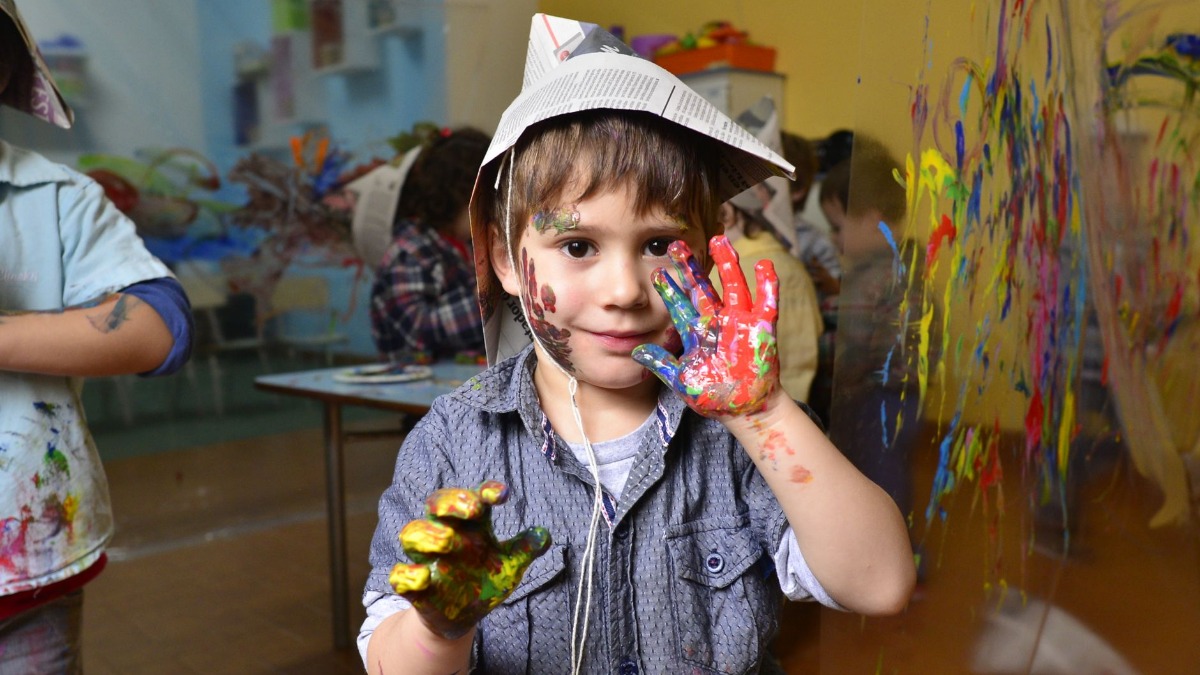

A mother recently discovered her son’s artwork being sold online by his daycare, sparking a debate about whether the practice crosses into exploitation. The story came to light through Daily Dot, after a video shared on X by @HistorianUSA1 went viral. In it, the mother explains that her son’s daycare never sent his artwork home, and that while she initially noticed the missing projects, she didn’t question the policy right away.
That changed when she received an email from the facility asking parents to visit a website where their children’s artwork was listed for purchase. She included a screen recording showing several pieces of her son’s work available for sale, among them a red handprint designed to look like a flower. The website offered to print the image on various products, with an apron priced at $49.95. The mother declined to buy anything and stated, “I feel like it’s child labor to do that.”
The video had accumulated over 25,000 views as of June 11, 2026. The comment section on X reflected sharply divided opinions, with some users siding with the mother and arguing that parents who are already paying for childcare should not be charged again for their own children’s artwork. Others suggested the practice may have been intended as a fundraiser, with one commenter noting the daycare might not be receiving enough in fees to cover its costs.
The debate over who actually owns a child’s artwork
The discussion also raised the question of whether the practice has any legal dimension. Commenters noted that child labor laws in the United States generally apply to employment relationships, not activities within school or daycare settings, meaning the mother’s framing was disputed on that front.
However, several users argued that legality aside, the practice still felt wrong when parents were already paying for the service. One person suggested they would simply buy an apron and have their child recreate the project at home.
From a legal standpoint, the ownership of children’s creative works is more complicated. As outlined by OWE.com, copyright law protects creative works regardless of the creator’s age, meaning a child automatically holds copyright over their artwork the moment it is made.
Because these creators are minors, any reproduction of their work for commercial purposes, such as printing it onto merchandise, would generally require explicit consent from a parent or legal guardian. This is why many schools that sell student art for non-profit purposes typically require parents to sign a permission form at the start of the year.
A debate around consumer privacy and consent over personal creations has been cropping up elsewhere too, amid a viral video about BMW cars recording drivers without their full awareness. If a daycare or other entity uses a child’s artwork for commercial gain without obtaining that consent, it could technically be infringing on copyright, even if the child’s identity is not attached to the image.
Intellectual property protections apply for the life of the creator plus 70 years, with no exception for works created by minors. The frustration expressed by the mother and many online commenters appears to stem from the sense that a sentimental, personal item was monetized without permission.
The broader childcare cost conversation has been gaining traction lately, amid concerns shared by working parents about what they already give up to keep their children in care. The daycare at the center of the story has not publicly commented on the matter.







Published: Jun 11, 2026 10:00 am