



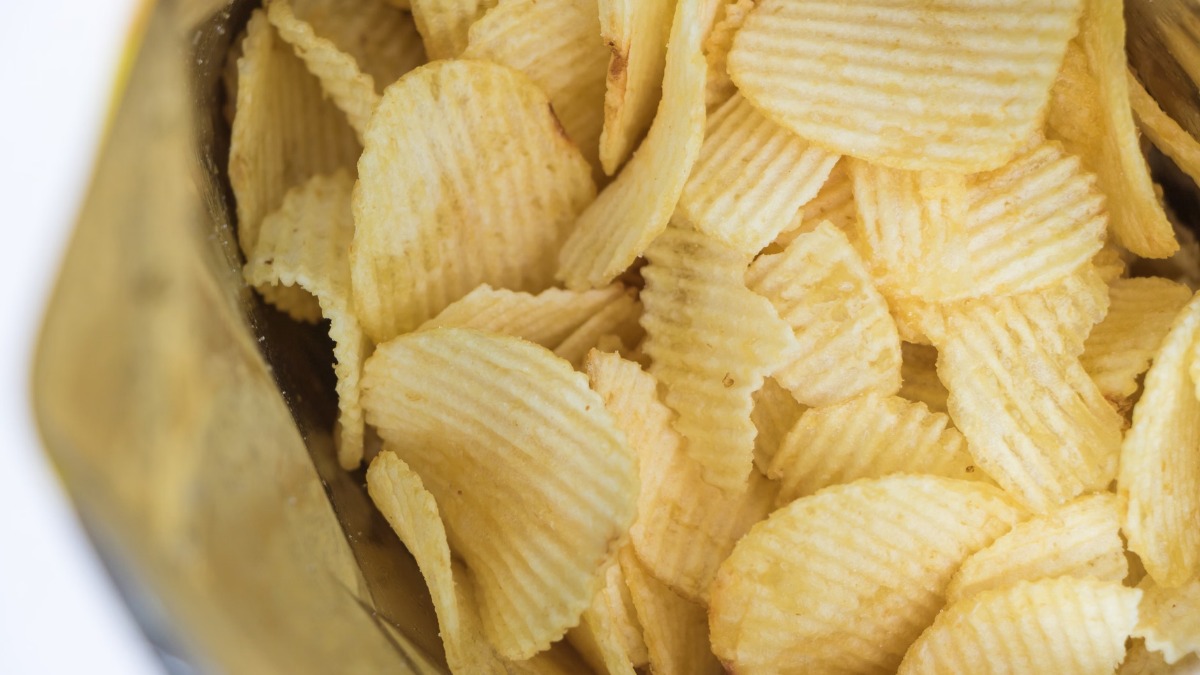

A BP gas station employee eventually agreed to provide a refund after a customer discovered moldy, expired chips and got into a tense exchange over the store’s no-returns policy. The incident took place at a BP location at 376 Parkway in Gatlinburg, Tennessee, and was captured on video. As detailed by Daily Dot, the footage has sparked a debate over who is responsible for catching out-of-date food items before they reach the register.
The customer said that after purchasing several snacks and returning to her vehicle, she noticed one of the items was well past its expiration date and appeared to be covered in mold. She went back inside to address the issue with an employee and demanded her money back. The employee was initially firm, citing the store’s no-returns policy and suggesting the burden of checking expiration dates falls on the consumer.
The customer pushed back, telling the employee, “It is not my job to check your products.” She also said she planned to report the sale of expired food to the health department. The employee maintained that items could not be returned once they left the premises, but eventually conceded, “Sometimes there are some mistakes,” and processed a refund for the $2.99 snack.
Expiration date confusion remains a common flashpoint between shoppers and retail workers
The exchange has resonated widely online, with commenters split on what should be expected of both retailers and shoppers. Some argued that stores must face consequences for selling expired goods and that businesses should not be permitted to sell expired food regardless of packaging. One commenter recalled having to show police that a bag of Pringles was expired by more than two years before finally securing a refund at a store with a similar no-refund policy.
Other commenters defended the employee’s position, pointing out that retail workers may worry about customers swapping products for older versions after leaving the store. Several suggested that keeping receipts and checking item numbers can make these disputes easier to resolve, since it helps confirm the purchase and match the physical product to the transaction. The disagreement echoes other recently viral customer service standoffs, including a tip percentage dispute at an Olive Garden that similarly divided commenters along service-versus-policy lines.
Expiration labels can also be genuinely confusing for the average shopper. According to federal guidelines, there is no uniform or universally accepted description for open dating in the United States, and manufacturers use phrases like “sell by,” “best by,” and “use by” to guide consumers and retailers. The U.S. Department of Agriculture notes these dates are typically about quality rather than safety, with a “sell by” date meant to help a store manage inventory and a “best if used by” date indicating when a product will be at peak flavor.
Many products remain safe to consume past these dates if handled properly, though consumers are encouraged to check for signs of spoilage such as off odors, textures, or visible mold. The Food Safety and Inspection Service has emphasized that spoilage can occur much faster if items are not stored correctly, a point that has come up amid other recent customer service flare-ups, such as one involving a Starbucks stuttering order that also went viral this week.
In the Gatlinburg video, the customer did not confirm whether she followed through with her threat to file a formal complaint with local health officials.








Published: Jun 23, 2026 06:15 pm