



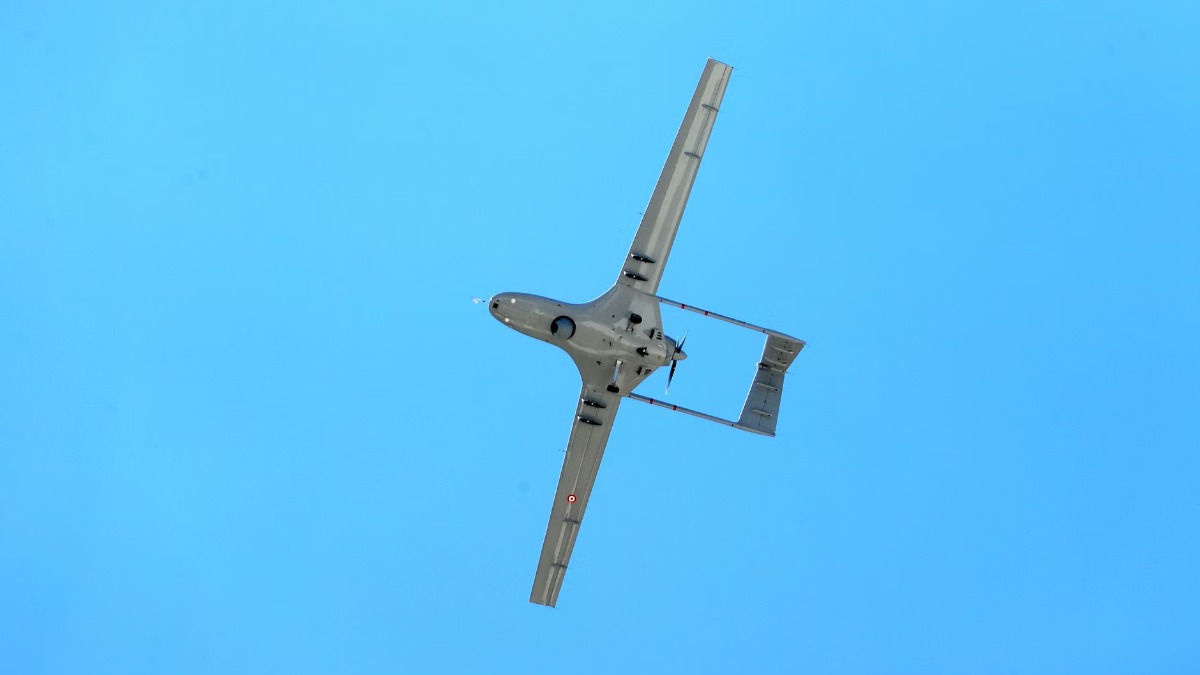

The United States has launched fresh military strikes against Iran following a drone attack on a commercial vessel in the Strait of Hormuz. As reported by Al Jazeera, US aircraft hit Iranian missile and drone storage facilities along with coastal radar sites in response to Thursday’s strike on the Singapore registered ship, the Ever Lovely.
The vessel was hit by a projectile near the coast of Oman. No crew members were injured and the ship was able to continue its journey, but the incident again placed the spotlight on one of the world’s most critical energy chokepoints.
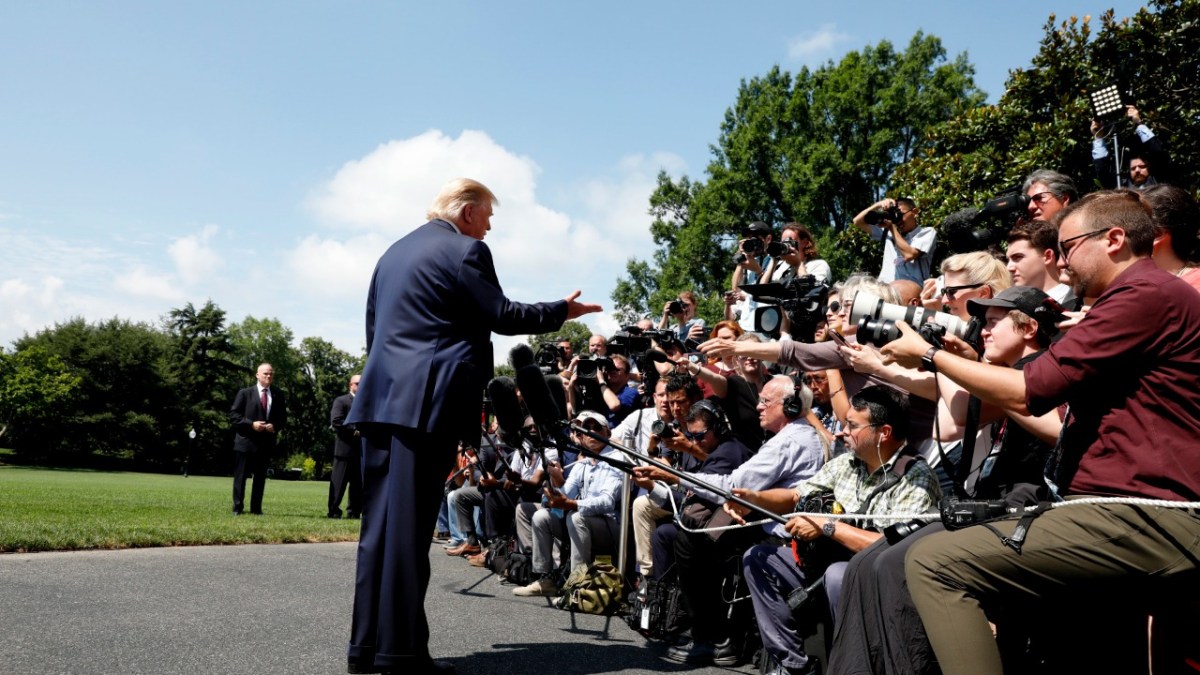
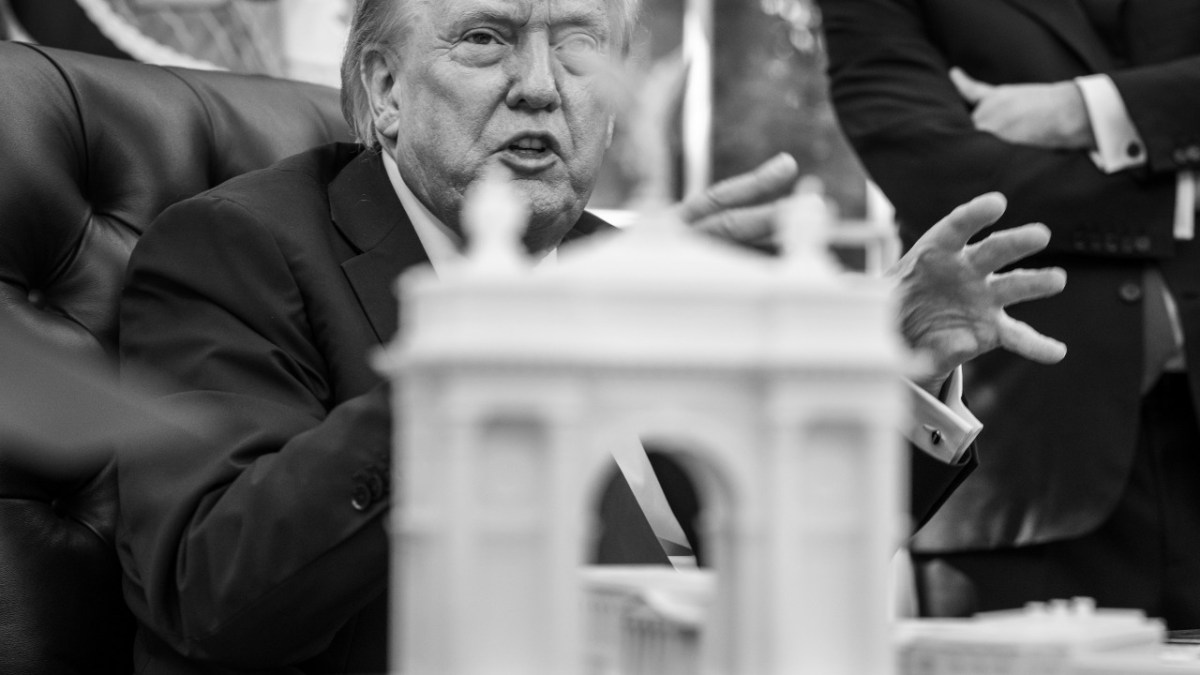
President Donald Trump confirmed that the US military engaged with the threat, saying he viewed the incident as a violation of a memorandum of understanding signed on June 17. According to Trump, the US shot down three drones, but a fourth one struck the upper deck of what he described as a large and expensive vessel. “I don’t like the fact that they took a shot yesterday,” Trump said, adding that the ship “took a little beating” and that Iran should not be doing that.
A fragile ceasefire shows new cracks over the Gulf
US Central Command confirmed the strikes in a statement, calling them a response to what it described as unwarranted aggression against commercial shipping that violated the ceasefire agreement. CENTCOM added that Iran’s actions undermined freedom of navigation as commerce increasingly flows through the corridor. Vice President JD Vance also addressed the situation on social media, warning that violence will be met with violence and noting that the US has honored the ceasefire Iran signed.
The Islamic Revolutionary Guard Corps responded to the US strikes by targeting American military installations in the region. In a statement carried by the government news service IRNA, the IRGC warned that any repeated aggression would draw a more extensive response, a sharp escalation from the terms Trump touted when he announced the ceasefire reopening the strait earlier this month.
The June 17 memorandum was meant to pause military operations and give Iran a 60-day window to facilitate free passage for commercial ships. Former senior US diplomat Alan Eyre described the document as a short text where ambiguity was the feature rather than the bug, a characterization that has made the agreement difficult to enforce. Iran agreed to allow traffic to resume, but only under its own administration and permission, a position that directly conflicts with the US vision for the waterway.
The Strait of Hormuz remains central to global energy security. According to the US Energy Information Administration, oil flow through the strait averaged 20 million barrels per day in 2024, about 20 percent of global petroleum liquids consumption. Pipeline capacity in Saudi Arabia and the UAE offers only limited alternative routes, and most of the oil and liquefied natural gas moving through the strait is destined for Asian markets, with China, India, Japan and South Korea accounting for 69 percent of crude oil and condensate flows through the region in 2024.
This is not the first time the corridor’s status has unraveled negotiations between the two countries, with earlier rounds of talks in Islamabad ending without resolving disputes over the strait, enriched uranium stockpiles and frozen Iranian assets, as detailed in a previous breakdown of US-Iran negotiations.
Under the terms of the June 17 memorandum, the 60-day window for Iran to facilitate free passage is set to lapse in mid-August, leaving the latest exchange of strikes unresolved in the meantime.





Published: Jun 26, 2026 09:00 pm