





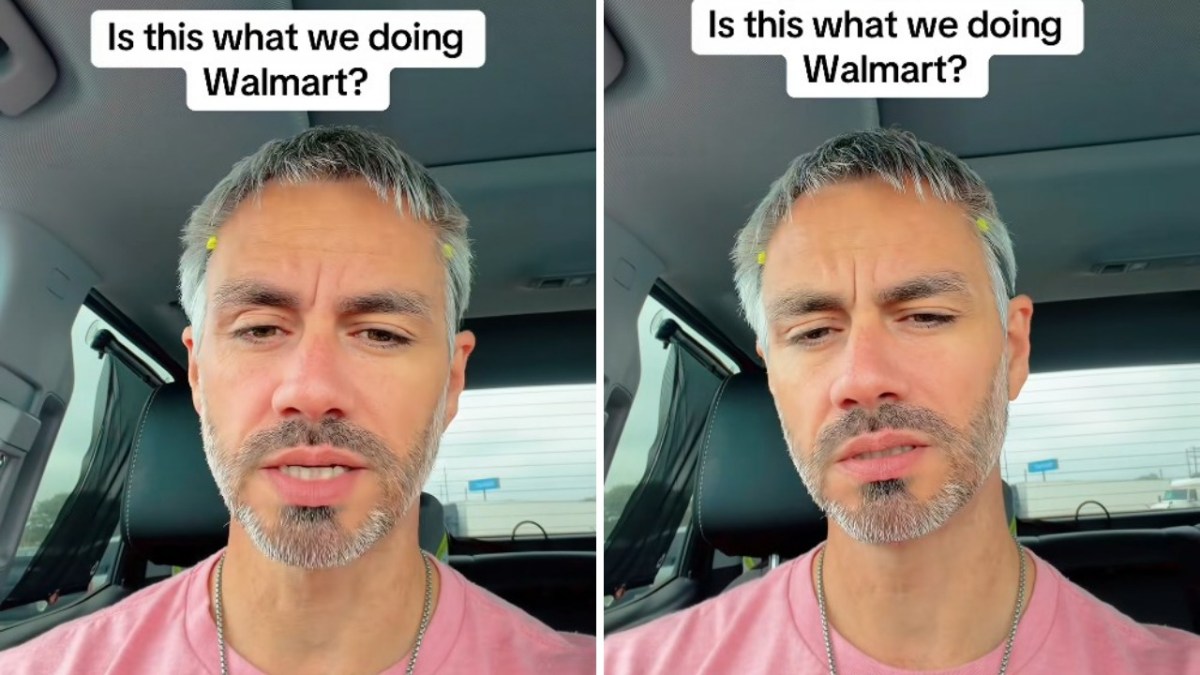
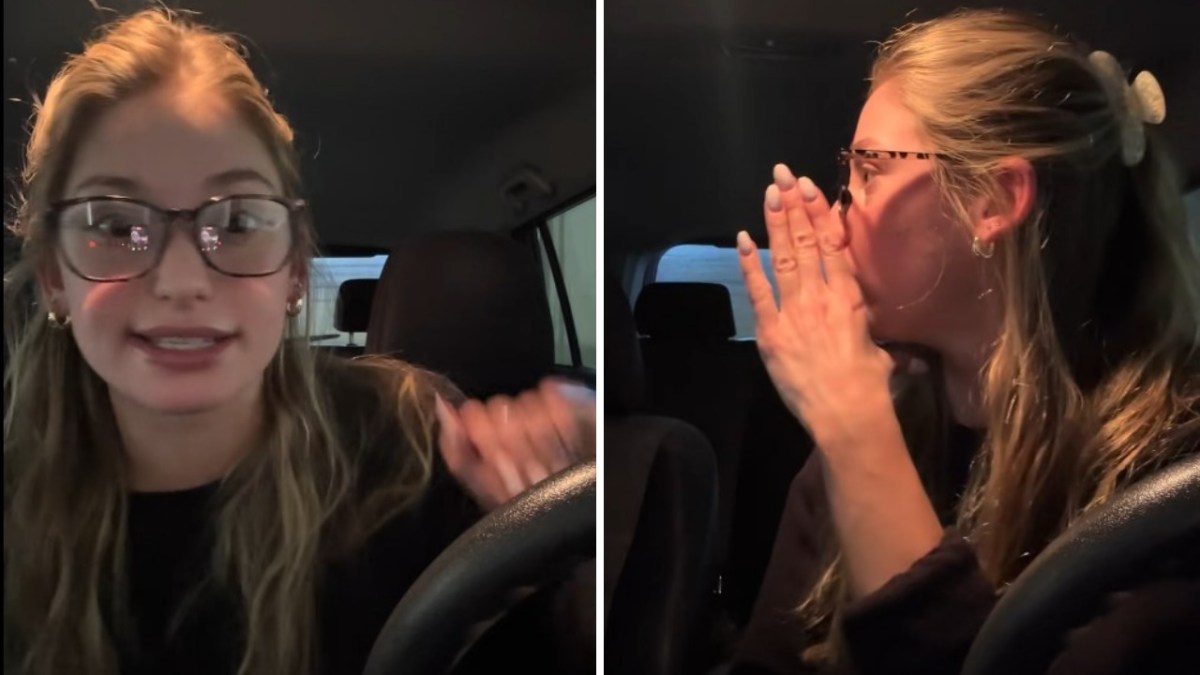
A woman is going viral after claiming that staff at a Walmart location denied her son entry to the store. The incident, which she recorded on her phone, sparked debate online after her attempt to film the exchange collided with the store’s internal filming policy. She framed the denial as discrimination tied to her son’s appearance and mental health, though the confrontation quickly shifted into a dispute over her camera.
As detailed by Daily Dot, the video shows the woman and her son, identified as Willie, being told he could not enter the store. She approached an employee with her camera rolling and pressed him to explain the denial, referencing her son’s alleged mental illness in the process. The employee greeted her calmly at first, but his tone shifted once he noticed she was recording.
When asked if she was filming, she confirmed it and argued that the store counted as a public place. The employee corrected her, explaining that although Walmart is open to shoppers, it remains private property with a policy against unauthorized recording. He told her he could not continue the conversation while the camera was rolling, and when she moved it aside rather than turning it off, he declined to give further details about her son’s denial.
Store policy, not personal preference, decides what happens once a camera comes out
Retail spaces are often mistaken for public spaces, but that distinction does not hold up legally. Walmart is private property, and the company can set its own rules for what happens inside its stores, including a policy against filming without authorization. A rental car’s hidden recording system sparked a similar debate recently over where the line on consent and surveillance actually sits.
Refusing to stop recording after being asked can escalate a situation well beyond a policy violation. According to LegalClarity, filming on an open sales floor is not typically a crime by itself, but ignoring a staff member’s request to stop can lead to a customer being asked to leave. If that person refuses to leave, the matter can turn into criminal trespass, a considerably more serious outcome than a simple policy dispute. A separate case involving a Walmart security confrontation similarly went viral after officers intervened once customers refused to comply with staff.
There is also a legal distinction between the First Amendment protections that apply on public sidewalks and the rules that govern private retail stores. Once someone walks through the doors, they are agreeing to follow store policy, and Walmart has no obligation to allow filming on its property. Store employees are within their rights to enforce that rule and to withhold cooperation until a customer complies.
In the comments section, many viewers pointed out that Walmart is a private business rather than a public space. One commenter wrote, “Cameras don’t lie, and they tag you as soon as you walk in.” Other viewers speculated that the store might have had a prior reason for the denial, though none of those claims could be confirmed.
The Daily Dot was unable to independently verify the circumstances surrounding the incident or why the woman’s son was allegedly denied entry. Walmart has not issued a public comment, and the account currently rests solely on the woman’s version of events.


Published: Jul 17, 2026 07:00 pm